In this article:
Small and medium-sized enterprises (SMEs) remain one of the biggest drivers of the Philippine economy, making up nearly the entire business ecosystem. Despite their important role, financing for small- to medium-sized businesses remains one of the most common pain points among Filipino entrepreneurs.
According to the Bangko Sentral ng Pilipinas (BSP), bank lending to MSMEs grew by 5.2% to ₱575 billion in 2025,1 but it still accounts for less than 5% of total bank lending nationwide.
Several long-standing challenges continue to affect SME financing, including risk concerns, limited borrower data, lack of collateral, and high processing costs for smaller loans.2
These barriers often leave Filipino entrepreneurs feeling discouraged when exploring funding opportunities. However, financing remains available to businesses that understand their options and prepare properly before applying.
As part of its commitment to empowering Filipino SMEs, this United Nations International MSME Day and Department of Trade and Industry (DTI) National MSME Week, Globe Business put together this guide to help you understand when to apply for financing, the different options available, and practical tips to increase your chances of approval.

Know When and Why You Need Financing
Before exploring financing options, identify why you need funding in the first place. Your purpose will help determine the type of financing that best fits your business.
Most SMEs obtain financing for a variety of business needs.
Expansion and Growth Opportunities
Some SMEs seek financing to grow their operations. It could include opening a new branch, purchasing equipment, upgrading systems, or investing in digital tools that improve productivity and customer experience.
For these types of investments, long-term financing may be more suitable because it allows businesses to spread payments over a longer period. However, it is important to ensure that the investment can eventually generate returns and contribute to business growth.
Survival and Short-Term Operational Needs
There are also times when financing becomes necessary to keep the business running smoothly. The effects of inflation in a business, such as rising costs, slower sales periods, or unexpected expenses, can put pressure on daily operations.
In these situations, SMEs may need funding for rent, salaries, utilities, or supplier payments. Short-term, flexible financing options are often more practical for these needs because they provide faster access to funds without requiring long-term commitments.
Managing Cash Flow Gaps
Many SMEs operate with limited financial flexibility. That is why cash flow problems are common, especially when customers pay them late or have late receivables. Even profitable businesses can struggle when incoming payments do not align with outgoing expenses.
Working capital loans or short-term financing solutions can help bridge these gaps. At the same time, businesses should improve collection processes and maintain better visibility over receivables to reduce future cash flow issues.
SME Financing in the Philippines: Types of Financing Available
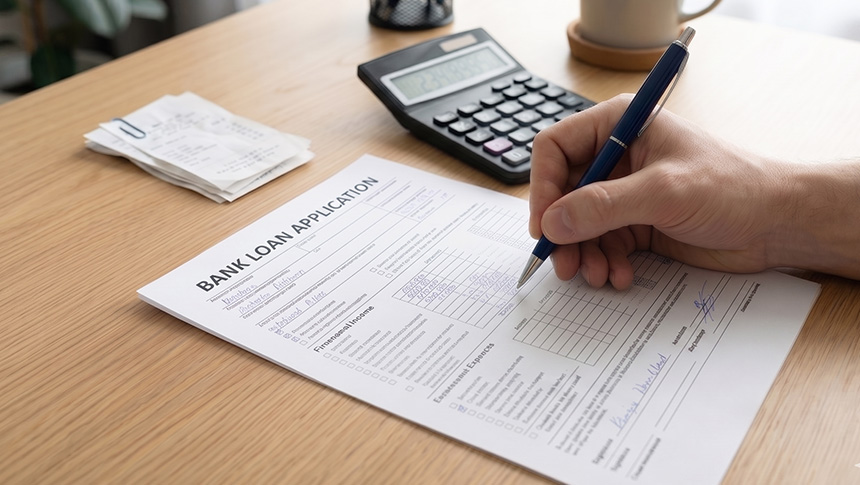
There are several SME financing options in the Philippines designed to support various business needs.
Personal Savings
Many entrepreneurs start by using personal savings or reinvested profits to fund business operations. This option works best for small or immediate expenses, giving you full control over how you use your funds without approvals or interest payments.
Bank Loans
Traditional bank loans remain one of the most common financing options for established SMEs.
For instance, the Bank of the Philippine Islands (BPI) Ka-Negosyo Loan program3 helps SMEs finance expansion, equipment purchases, and capital expenditures. It offers flexible, accessible, and fast-approved loans starting at ₱300,000, with options for collateralized or uncollateralized loans.
Government Financing Programs
DTI, through the Small Business Corporation (SB Corp), launched a ₱4-billion financing initiative4 in April 2026 to support Philippine businesses affected by the Middle East crisis.
Digital and Fintech Lending
Digital lending platforms like GLoan have made financing more accessible for SMEs that need quick funding. It offers faster approvals and minimal paperwork. This option is especially useful for urgent or short-term financing needs.
Here is a closer look at the benefits and considerations of each financing type.
Type of Financing | Benefits | Considerations |
| Personal Savings |
|
|
| Bank Loans |
|
|
| Government Financing Programs |
|
|
| Digital and Fintech Lending |
|
|
How to Choose the Right Financing Option
With several small to medium-sized business financing programs available, the next step is to choose the one that best suits your needs. Make an informed decision by considering these factors.

Balance Cost and Flexibility
Look beyond the headline interest rate when getting a business loan. Consider all fees associated with the loan, as well as the flexibility of repayment terms.
Can you pay early without penalties? Can you adjust your payment schedule if your cash flow fluctuates?
Sometimes, a loan with a slightly higher rate but more flexible terms may be a better fit for your business than a rigid, low-rate option.
Understand Short-Term vs Long-Term Financing
Different financing options serve different purposes. It is important to choose the right one for your business to avoid unnecessary long-term debt.
Short-term financing is generally better for immediate operational needs, temporary cash shortages, or emergency expenses. These loans usually have faster repayment periods and may come with higher monthly payments.
Long-term financing, on the other hand, is better for investments that support long-term business growth. Although the commitment is longer, spreading repayment over several years can make monthly payments more manageable.
How to Get Approved for Financing: Practical Tips to Improve Your Chances of Approval

Getting approved for financing is about showing lenders that your business is credible, organized, and capable of repayment.
Prepare your documents. Missing or incorrect documentation is a common reason for loan delays or rejections. Before applying, get your paperwork in order, so lenders can assess your ability to repay and verify that your business is legitimate and stable.
- Valid government-issued IDs
- Company profile
- Latest financial statements and income tax returns (ITRs)
- Bank statements from the last six months
- Proof of business address, like utility bills or invoices
- Business registration documents (DTI, Securities and Exchange Commission (SEC), or Cooperative Development Authority)
- Mayor's permit and other licenses
- Bureau of Internal Revenue (BIR) Certificate of Registration
Maintain digital records. Using cloud-based accounting platforms can help you maintain accurate records and access documents online, eliminating the need for bulky physical storage. Here are some documents that you can digitize.
- Daily sales
- Bank statements and reconciliation reports
- BIR-Compliant Invoices and Receipts
- Audited Financial Statements (AFS)
- SEC Corporate Filings
Start small and build a track record. Your credit history plays a big role in whether you get approved and what interest rate you receive. Start by borrowing a small amount according to your needs and paying it on time to build your credit score and establish yourself as a reliable borrower.
- Be honest about your financial situation. Lenders rely on accurate financial information to assess your business' capacity. Always provide complete and correct information about your income, expenses, and existing obligations. Providing misleading or incomplete data can lead to rejection or cause financial problems later on.
Set Your Business Up for Success
Access to financing can help SMEs move their businesses forward, but building a resilient, future-ready business also requires a strong digital foundation to support their expansion and long-term growth.
Today, many business operations rely on digital tools, making reliable business internet essential for managing day-to-day demands. From coordinating with teams to serving customers and handling transactions, dependable connectivity helps businesses stay productive and responsive.
For Filipino SMEs looking to build a strong operational foundation, Globe Business' Small Business Starter provides the connectivity, communication, and operational solutions to support your business as it grows.
Explore Globe Business solutions today and take the next step toward growing your business with confidence.
Sources:
1https://www.bsp.gov.ph/SitePages/Statistics/BSLoanAccounts.aspx?TabId=7
2https://oradian.com/insights/public/msme-lending-guide-philippines
3https://kanegosyo.bpi.com.ph/s/eligibility-checker
4https://sbcorp.gov.ph/advisories/dti-launches-%E2%82%B14-billion-msme-business-fund-to-support-enterprises-affected-by-middle-east-crisis