In this article:
You tested your company’s application (app). But is it secure?
For years, app security followed a predictable model: test the app before launch, fix what is broken, and deploy it to users. For a long time, that approach worked. But today, this traditional model for app testing is no longer effective because the real risk does not begin before deployment. It begins after.
Security Fails After Deployment, Not During Development

Modern apps no longer operate in controlled environments. They run on millions of devices—each with different operating systems, configurations, and levels of security. They operate across networks that businesses do not control, alongside other apps they did not build, and under conditions they cannot simulate.
This shift matters. According to the 2024 Microsoft Digital Defense Report, attackers are increasingly targeting endpoints and app layers—areas outside traditional infrastructure defenses.1
In other words, the risk has moved, and mobile application testing has not moved with it.
Security Testing Stops Before Real-World Risk Begins
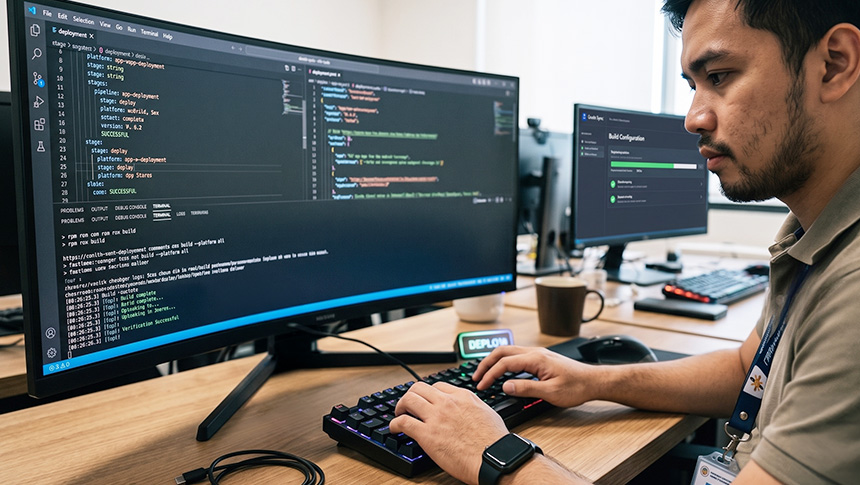
Security testing answers one question, “Was the app secure before it was released?” But it does not answer a more important one, “Is the app secure while it is being used?”
As noted in the OWASP Mobile Application Security Testing Guide, real-world exploitation often differs significantly from test results due to environmental and runtime factors.2 This makes enterprise-grade mobile app security a crucial step to ensuring business continuity, as it can effectively anticipate such variables.
Real-World Risk Comes from the Environment
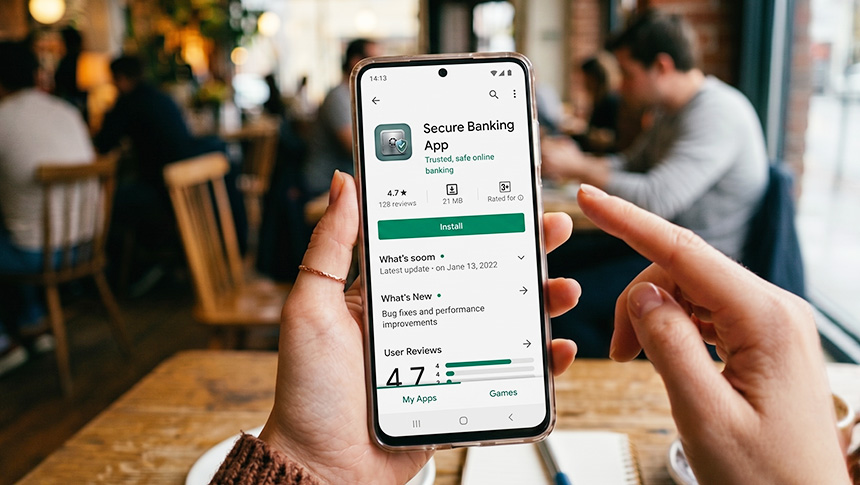
Traditional security thinking treats risk as something embedded in the app itself—vulnerabilities in code, misconfigurations, or logic flaws. But in practice, many threats do not originate from the code at all.
Mobile app hacks can come from the environment in which the app runs. Users might install your app on a rooted device. Another might unknowingly connect through a compromised network. A third might already have malicious software running alongside your application.
These are everyday realities.
The 2023 ENISA Threat Landscape highlights how endpoints and user environments remain among the most exploited areas in modern cyberattacks.3 This leads to a simple but often overlooked truth: Your code may be secure, but the environment it runs in may not be.
Real-World Risk Creates Confidence Without Coverage
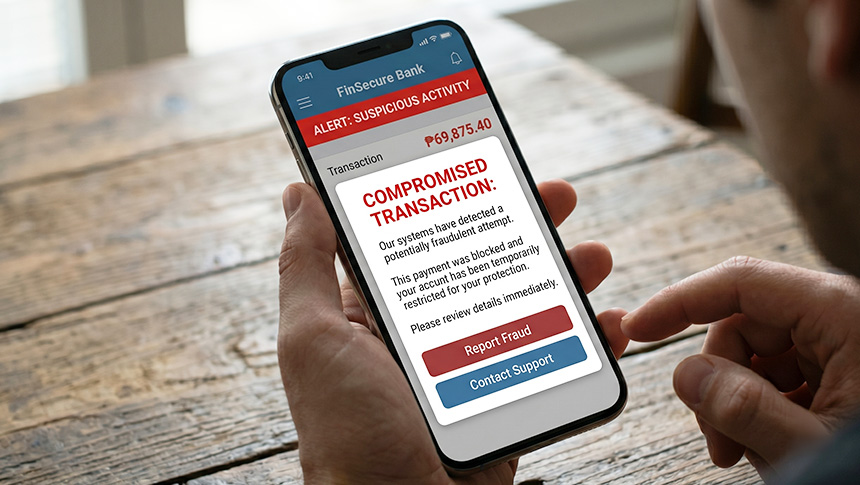
When an app passes testing, it creates the impression that risk has been addressed. But security is not a one-time state. App testing must evolve as the app is used.
Gaps do not always exist at launch. They emerge over time—through new attack techniques, new device conditions, and new user behaviors. And when those gaps are exploited, the impact is immediate.
- Compromised transactions
- Exposed data
- Lost customer trust
Mobile-First Businesses Need Continuous Security

As mobile apps become central to business operations, security can no longer be treated as a phase or a checklist. It must become an ongoing capability—one that operates wherever the app operates.
Security needs to evolve from validation before release to continuous protection during execution. This means protecting apps while they are running, monitoring real-world behavior, and responding to threats as they happen.
That is why organizations are extending protection beyond testing and into runtime, where apps are actually used and where threats actually occur.
Cybersecurity solutions like Globe Business’ Mobile Application Security, powered by Zimperium MAPS, are designed to secure apps from build to runtime—helping organizations move from one-time validation to continuous resilience.
Learn how Globe Business helps secure apps, because in today’s environment, testing tells you your app is secure, but runtime protection is what keeps it that way.
Sources
1https://www.microsoft.com/en-us/security/security-insider/threat-landscape/microsoft-digital-defense-report-2024
2https://mas.owasp.org/MASTG/0x04b-Mobile-App-Security-Testing/?utm_source=perplexity
3https://www.enisa.europa.eu/publications/enisa-threat-landscape-2023