In this article:
Speed defines the year of the Fire Horse. It is a year that rewards action, momentum, and bold expansion. For business leaders, it symbolizes opportunity. But for every Tao Ke (“Boss”) who has built something meaningful, the question is not whether to grow. It is whether your business can sustain that growth.
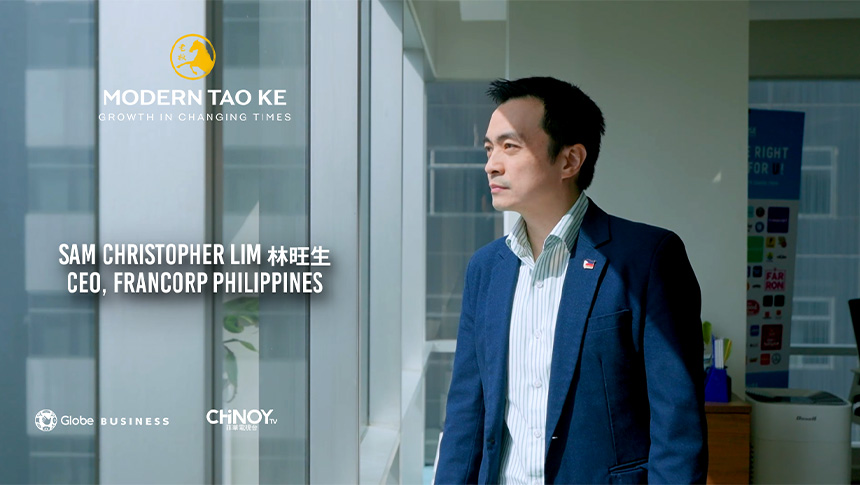
Sam Christopher Lim, CEO of Francorp Philippines, has seen what separates businesses that scale successfully from those that stumble. His principle is clear: structure before speed. Growth that lasts does not come from rushing. It comes from building a business that can run beyond you.
This article shows you how to standardize what is already working, develop leaders who can make decisions independently, use systems to reduce risk, and expand step by step.
Growth Needs Structure Before Speed
Growth tests every part of your business.
- More customers put pressure on your service capacity.
- More locations add coordination challenges.
- More employees make communication more complex.
According to Lim, many Chinoy-owned small businesses continue to rely heavily on owners for approvals and problem-solving. While this ensures consistency, it can slow down business operations and limit scalability.
He said that one of the biggest changes his organization implemented was shifting from owner-driven decision-making to empowered middle management. He eliminated data silos that had kept strategic planning, operations, marketing, and sales working in isolation.
Here is what a scalable structure looks like.
- Replace instinct with data. Decisions get made based on information, not just gut feeling.
- Distribute authority clearly. Managers understand exactly what they control and when to escalate.
- Centralize information. One source of truth replaces scattered spreadsheets and individual notebooks.
Much like Feng Shui for business emphasizes the importance of proper flow and balance, modern business structure requires the right alignment of people, processes, and systems.
Standardize What Already Works
Lim shared a principle he has observed across hundreds of brands: start with a big dream, but a small prototype.
Filipino leaders who have successfully expanded their businesses usually start by building a highly profitable, efficient prototype. They analyze their processes, identify best practices, and build repeatable systems for new locations.
He emphasizes that brands that grow into multi-branch organizations spend years perfecting their systems. Once they have a steady process, they begin to standardize their operations, which allows them to scale efficiently and effectively.
Standardization requires a systematic approach to operational consistency.
- Document the daily operating procedure.
- Define what excellent service looks like at each touchpoint.
- Establish clear workflows for lead generation and conversion tracking.
- Identify the metrics that actually drive your business.
Once documented, digital tools make scaling easier. Dashboards, shared templates, and centralized reporting platforms transform best practices into repeatable systems that work across every location.
Build Leaders, Not Just Branches
Sometimes expansion does not fail because of bad locations; it fails because leadership does not scale. Every new branch generates more decisions, more customer interactions, and more operational challenges. If all these flow back to the owner, expansion becomes unsustainable.
Lim describes a critical shift Francorp made: pushing decision-making down to middle managers and frontline staff. Instead of routing everything through senior leadership, they equipped managers with data access and problem-solving frameworks. It allowed faster customer response and removed the owner bottleneck.
Lim also encourages business owners to adopt the mindset of becoming dispensable. While this may sound counterintuitive, it represents leadership maturity and long-term sustainability.
When owners step away from daily operations, they can focus on expansion strategies, partnerships, and opportunities for innovation. Cloud-based management platforms and communication tools allow leaders to monitor performance while empowering teams to operate independently.
Use Systems to Reduce Risk
Scaling means adding more people to your operation—managers, partners, or even franchisees. As operations expand, maintaining consistency becomes more difficult, especially when businesses operate across multiple branches or territories.
Lim strongly advocates the principle of "trust but verify." It means choosing the right partner and people and trusting them. But it also means implementing systems and tools to verify data rather than relying on trust alone.
Operational dashboards, performance analytics, and centralized data platforms provide business owners with clear visibility into their operations. These systems help detect performance gaps early and ensure consistent business standards across locations.
Without integrated reporting tools, critical information can become trapped in spreadsheets or personal notebooks. Lim explains that eliminating data silos allows departments such as marketing, operations, and sales to work cohesively.
Scale with Control
The Year of the Fire Horse rewards boldness, but effective business leaders do not make decisions just because the market is moving fast. Sustainable growth comes from a well-planned approach.
Lim advises businesses to start with a stable, profitable prototype. Once operations become consistent and measurable, owners should document workflows and establish clear performance benchmarks.
The next step involves leadership development. Managers need clear authority and dependable data insights to make informed decisions. Only then should businesses introduce advanced digital systems that connect teams and automate reporting processes.
Once everything is in place, owners can then focus on expanding their business. Franchising offers powerful leverage when your systems are ready.
Lim has worked with numerous successful Filipino-Chinese entrepreneurs who have scaled through franchising across regions and internationally. The model works because franchisees bring three essential resources: investment capital, operational ownership, and local market knowledge.
Supporting Your Next Stage of Business Growth
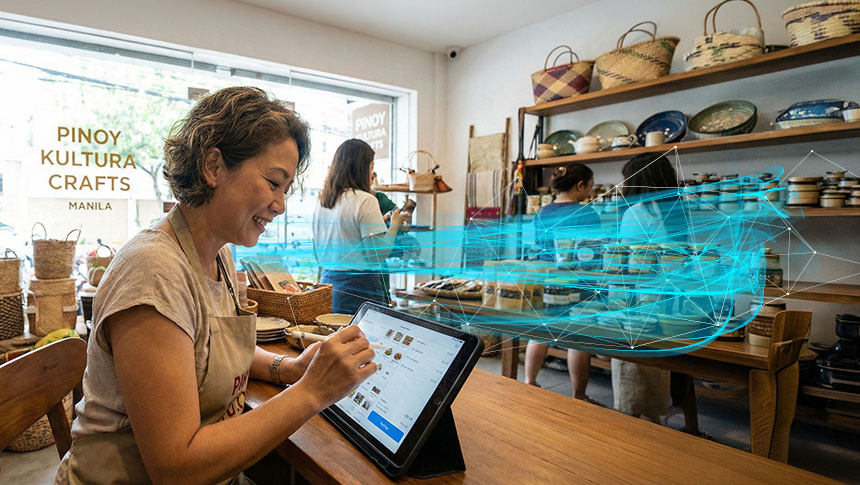
The Modern Tao Ke leads with vision while building systems that keep the business agile, organized, and ready to scale. As operations grow more complex, Globe Business’ reliable connectivity and digital tools help simplify decision-making, strengthen collaboration, and maintain consistent customer experiences across teams and locations.
Discover how Globe Business value-added services can keep your teams connected, your data accessible, and your growth sustainable.