In this article:
The Philippine education sector faces various issues that affect both learning and day-to-day school operations. While many require broader reforms, technology can meaningfully support areas where better access, information, and digital capabilities can make a difference.
As schools respond to changing learning needs and an increasingly digital environment, new considerations are also emerging around how technology is introduced, managed, and used across the institution.
Addressing these challenges in the education sector is not simply about introducing more devices or digital platforms. Schools also need to consider how technology fits into their academic and operational priorities, the infrastructure needed to support it, and the people who will use it.
Drawing on its experience in supporting the education sector, Globe Business shares its perspective on where technology can provide meaningful support and how schools can take a more strategic approach to digital transformation.
A Closer Look at the Problems of Schools in the Philippines
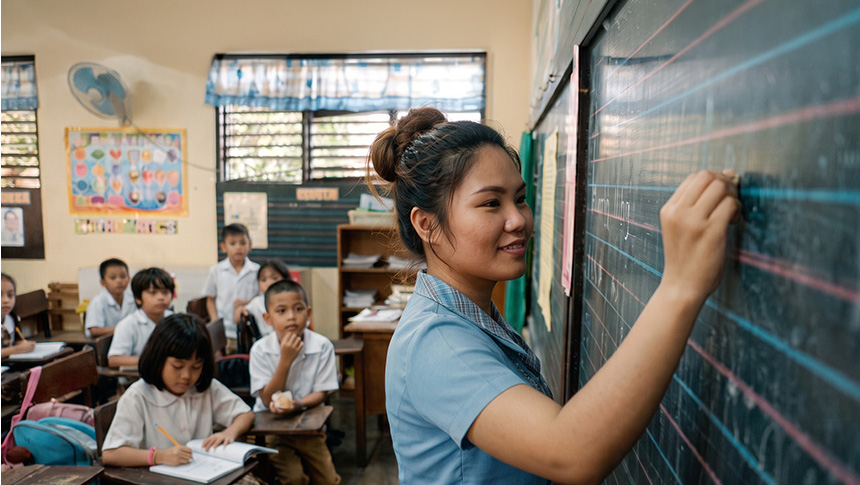
Learning gaps require more targeted support.
Learning gaps remain a major concern across Philippine schools. According to the Second Congressional Commission on Education (EDCOM 2),1 proficiency rates based on national assessments decline considerably across grade levels.
Grade Level
Proficiency Rate
Grade 3 30.52% Grade 6 19.56% Grade 10 1.36% Grade 12 0.4%
These findings highlight the need to identify where students are falling behind, so schools can provide the right support.
Learning Management Systems (LMS) can help by bringing learning materials, assessments, and student progress into one platform. This gives teachers better visibility into student performance and areas that may need more attention. Combined with appropriate teaching strategies, these insights can help schools provide more targeted learning support.
- Teacher workloads can take time away from teaching.
Teachers play a central role in students' learning and development, yet their responsibilities often extend far beyond the classroom. Lesson planning, grading, record-keeping, reporting, and other administrative duties can add to an already demanding workload and contribute to burnout.
The Department of Education (DepEd) has introduced policies to reduce administrative tasks and set clearer limits on teacher workloads.2 Alongside these reforms, reliable connectivity can help teachers use digital tools more effectively for lesson preparation, collaboration, communication, and other day-to-day responsibilities.
Core solutions such as mobile connectivity and campus WiFi can give teachers more consistent access to these tools across classrooms and school facilities. This can make everyday tasks easier to manage and allow more time to focus on teaching and student support.
Design operations that can adapt.

Connected school systems can reduce repetitive work and give departments easier access to consistent information.
When school departments operate in silos, information often moves manually between separate systems, creating several inefficiencies.
- Duplicated tasks and efforts across departments
- Inconsistent data and records across systems
- Delays in key processes, such as enrollment and reporting
School Management Systems (SMS) can help address these gaps by bringing processes such as attendance, student records, enrollment, and reporting into a more connected system. This can reduce repetitive work and make it easier for departments to access and manage information across the school.
This move toward more connected systems also aligns with DepEd's focus on digitalization under its Quality Basic Education Development Plan (QBEDP) 2025–2035, which aims to improve education governance and management.3
- Unequal digital access limits learning opportunities.
Access to digital learning remains uneven across Philippine schools, particularly in remote and underserved communities. Less than 2% of public schools have access to free public WiFi, while primary schools average one computer for every 19 students.4
These figures reflect a broader digital divide in both devices and supporting infrastructure. Limited connectivity can affect access to online learning resources, digital platforms, and other tools that increasingly form part of modern education.
Addressing disparities in digital access is important to ensure learning opportunities are not limited by a school's location or available technology. In areas with limited connectivity options, satellite internet solutions such as Starlink can help schools access digital learning platforms and online resources.
- AI readiness requires more than access to new tools.
Artificial Intelligence (AI) is a growing technology trend in education, creating new possibilities for teaching, learning, and school operations.
Platforms such as Google Workspace with Gemini can support tasks such as lesson preparation, research, content creation, and collaboration. But using these capabilities effectively requires more than access to AI tools.
Schools also need reliable connectivity, data protection and cybersecurity measures, AI usage guidelines, and support for educators and staff. These foundations can help schools adopt AI more effectively and responsibly.
Why Schools Need a Strategic Approach to Digital Transformation
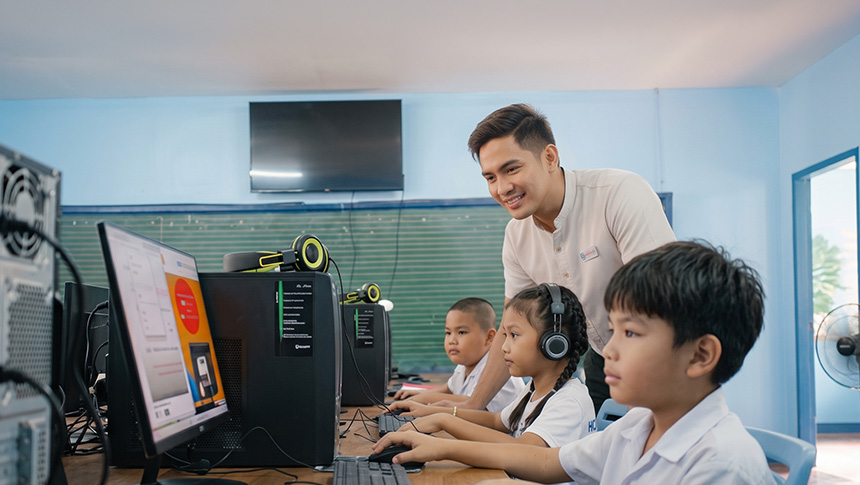
These challenges often overlap. Improving digital access, for example, requires reliable infrastructure, while connected systems and emerging technologies depend on effective data management and cybersecurity.
A strategic digital approach considers how infrastructure, systems, people, and resources can work together to support broader institutional goals. Here are three areas that schools can prioritize.
Invest on School Needs
Technology investments should start with the school's needs, priorities, and available resources. Rather than introducing multiple tools at once, schools can focus on capabilities that can improve learning, reduce administrative workload, or make operations more efficient.
A phased approach also allows schools to build on existing capabilities and introduce new technologies as their needs and resources evolve.
Build Digital Infrastructure That Can Grow with School Needs
Connectivity and infrastructure provide the foundation for digital learning, cloud platforms, administrative systems, and emerging technologies. This is also reflected in DepEd’s reform agenda, which approaches digitalization through three interconnected areas.
- Connectivity infrastructure and equipment
- Data dashboards and systems
- Education technology
Planning these areas together can help schools build a digital environment that can scale as technologies and institutional needs evolve.
Connect Learning, Data, and School Operations
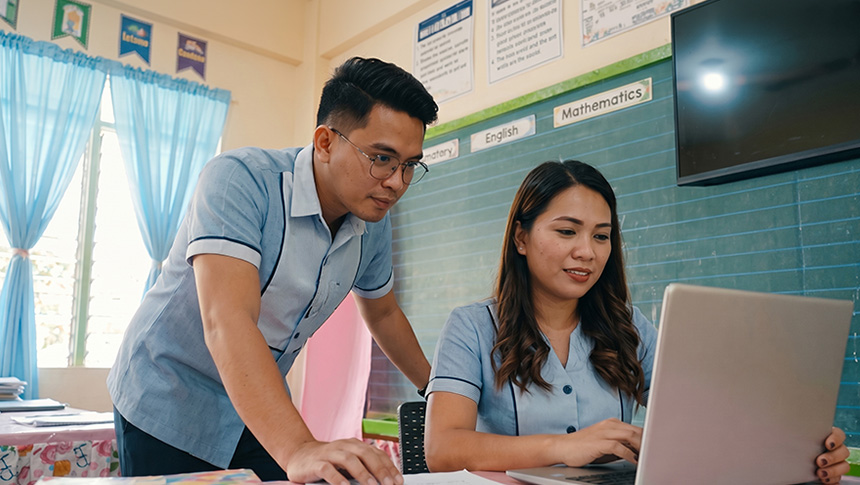
Digital transformation can create greater value when systems work together. Connecting learner records, assessments, attendance, and administrative information can give schools a clearer view of their operations and student needs.
With information available across functions, schools can more easily identify learning gaps, resource needs, and operational issues that require attention.
Foundation for Long-Term Digital Transformation
Technology in the classroom can enhance learning, but its value extends beyond individual tools. When used strategically, technology and innovation can become a competitive advantage for schools by improving learning experiences, supporting teachers, simplifying operations, and expanding digital capabilities. These capabilities can help schools keep pace with changing educational needs while preparing for new ways of teaching, learning, and working.
Supporting these capabilities requires a strong digital foundation, starting with reliable connectivity. Beyond an operational expense, connectivity is a long-term investment that enables schools to adopt new technologies and strengthen their digital capabilities over time.
Globe Business provides the connectivity and digital solutions schools need to build more connected, efficient, and future-ready learning environments. Turn technology into an advantage for the school community. Talk to a Globe Business expert today.
Sources
1https://edcom2.gov.ph/student-proficiency-rates-plunge-from-30-in-grade-3-to-0-47-in-grade-12
2https://mb.com.ph/2025/3/17/dep-ed-slashes-teacher-workload-by-57
3https://newsinfo.inquirer.net/2089020/deped-launches-new-education-plan-to-improve-learning-standards
4https://pshs.edu.ph/pisay-launches-student-records-platform-using-crypto-technology
5https://www.gchumanrights.org/preparedness/addressing-structural-challenges-in-education-systems-the-educational-and-technological-divide-in-cambodia-and-the-philippines