In this article:
- Feast of the Black Nazarene (January 9)
- Ati-Atihan Festival (Third Week of January)
- Sinulog Festival (Third Sunday of January)
- Dinagyang Festival (Fourth Sunday of January)
- Moriones Festival (Holy Week)
- Santacruzan (May)
- Pahiyas Festival (May 15)
- Obando Fertility Festival (May 17 to May 19)
- Taong Putik Festival (June 24)
- Parada ng Lechon (June 24)
- Pintados Festival (June 29)
- Kadayawan Festival (Third Week of August)
- Peñafrancia Festival (First Friday of September)
- MassKara Festival (Fourth Sunday of October)
- Giant Lantern Festival (December)
- Share Your Filipino Culture Experience
Many Filipinos and tourists plan their vacations around religious festivals in the Philippines. With celebrations happening almost every month in different parts of the country, the Philippines is known for its vibrant festival culture, and there’s always something to experience no matter when you visit.
These festivals are also a memorable way to watch how Filipinos celebrate the values they cherish the most. Rooted in a predominantly Catholic nation, many of these local festivals in the Philippines blend Christian traditions with indigenous practices. From solemn Holy Week observances to lively street parades, and even festive Christmas highlights like Pampanga’s Giant Lantern Festival, each celebration reflects a different side of Filipino faith and tradition.
Curious where to experience these traditions for yourself? Here are some of the most iconic religious festivals across the Philippines.
1. Feast of the Black Nazarene (January 9)
Held annually in Quiapo, Manila, the Feast of the Black Nazarene features the Traslación, a massive procession marking the transfer of the original statue from Quirino Grandstand in Rizal Park to Quiapo Church in 1787. It remains one of the largest religious gatherings in the world, with over nine million devotees.
Devotees also believe the Black Nazarene has healing powers. So, they attempt to pull the rope of the Black Nazarene's carriage or wipe the image with white towels, hoping their prayers will be granted.
2. Ati-Atihan Festival (Third Week of January)
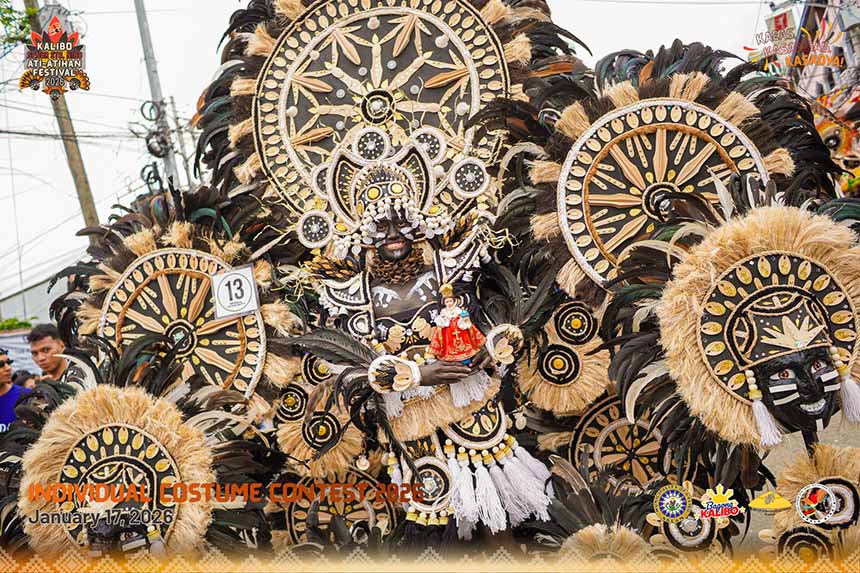
Image Credit: @kaliboatiatihan on IG
The National Commission for Culture and the Philippines (NCCP) calls the Ati-Atihan Festival the "Mother of all Philippine festivals." It’s held every third week of January in Kalibo, Aklan, where people get to experience dance parades, floats, and Catholic liturgical services dedicated to Santo Niño.
"Ati-atihan" means "making like Atis," referring to the indigenous Ati people, believed to be the earliest inhabitants of Panay Island. During the festival, participants smear their skin with soot and wear traditional tribal attire to honor the earliest people of Aklan. The parade starts with the rhythm of drums, whistles, and cries of "Hala Bira!"
3. Sinulog Festival (Third Sunday of January)
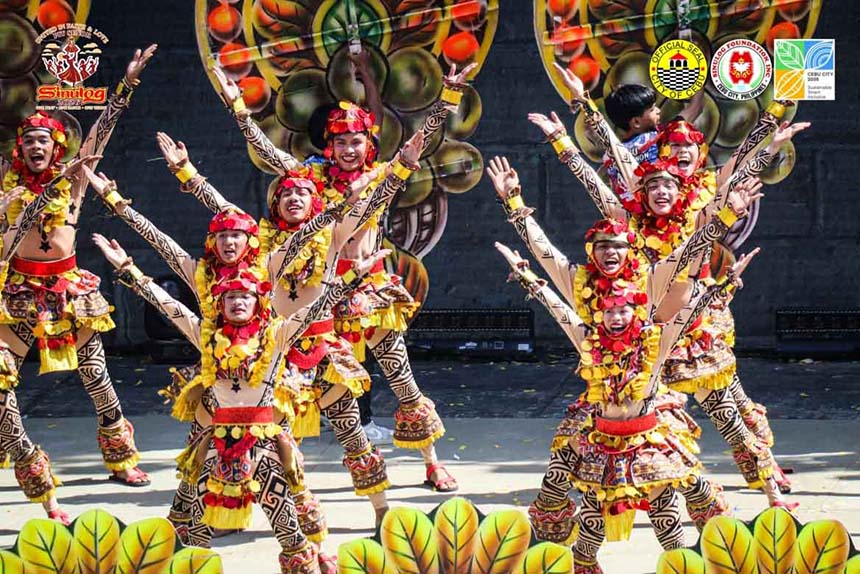
Image Credit: Sinulog Foundation Inc. FB
Every third Sunday of January, Cebu City in Central Visayas transforms into a sea of color and movement for the Sinulog Festival. This celebration commemorates the introduction of Christianity to the Philippines, dating back to 1521 when Ferdinand Magellan gifted Spain's Queen Juana a wooden statue of the Santo Niño.
“Sinulog” comes from the Cebuano word "sulog," which means “like water current.” The fiesta culminates in the Sinulog Grand Parade, where participants wear colorful costumes and perform the Sinulog dance, choreographed to imitate water movement. The festival showcases a grand street parade, cultural performances, food fairs, and a dazzling fireworks display.
4. Dinagyang Festival (Fourth Sunday of January)
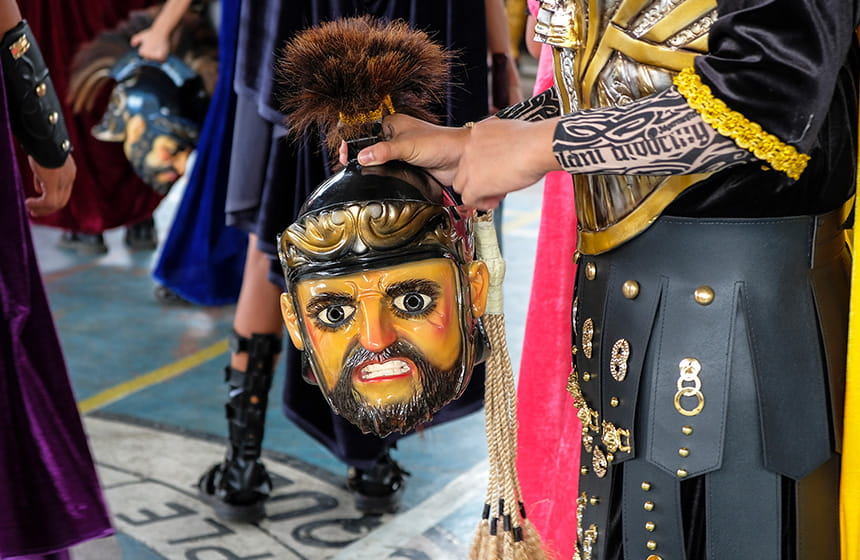
Image Credit: Iloilo Dinagyang Festival FB
Inspired by the Ati-Atihan Festival in Aklan, Iloilo City’s Dinagyang Festival is celebrated every fourth Sunday of January and originated in 1968 when a replica of the Santo Niño was brought to Iloilo.
Dinagyang, which means “merrymaking,” holds colorful street dancing, where participants don intricate costumes and paint their faces to resemble traditional Ati warriors. A centerpiece of the festival is the “Ati Tribes Competition,” showcasing the tribes’ highly synchronized dances accompanied by lively drumbeats.
5. Moriones Festival (Holy Week)
During Holy Week, the island of Marinduque transforms into a dramatic, open-air stage for the Moriones Festival. Participants dress as Roman soldiers with elaborately crafted masks, reenacting the story of Longinus, the military officer who pierced Christ's side during the crucifixion. He later converted to Christianity after being healed of his blindness.
The festival begins on Palm Sunday and culminates on Easter Sunday, encompassing activities such as the Via Crucis (Way of the Cross), a musical recitation of Christ's passion, and the dramatic beheading of Longinus.
6. Santacruzan (May)
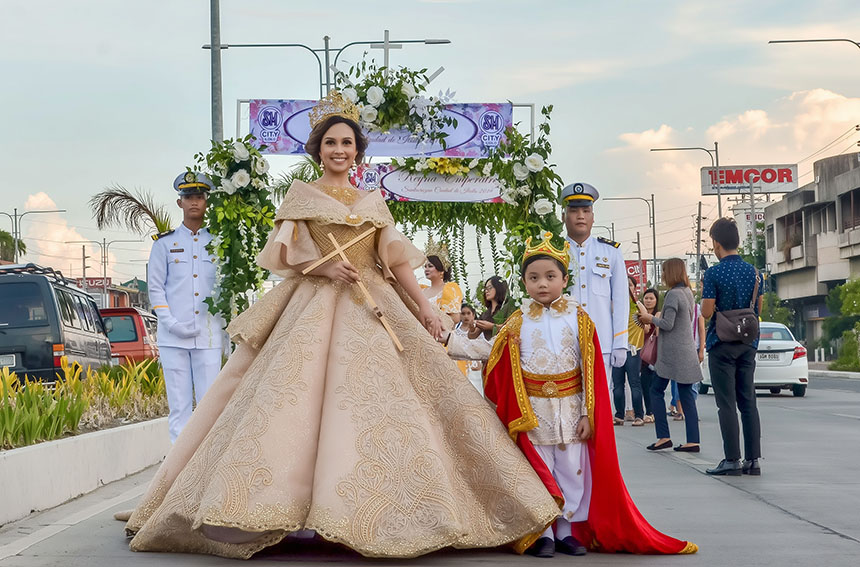
Image Credit: Panay News
Towns and cities across the Philippines host Santacruzan, a religious parade held every May that represents the finding of Christ's Cross by St. Helena. It also marks the culmination of Flores De Mayo, the month-long celebration that honors the Blessed Virgin Mary.
The Santacruzan features a procession of young girls as angels, symbolizing the 15 titles of the Virgin Mary, including Reyna de Flores (Queen of the Flowers). The parade may also include figures that honor ethnic groups. The procession concludes with the arrival of Reyna Elena and her son, Constantino, walking under a decorated arch.
7. Pahiyas Festival (May 15)
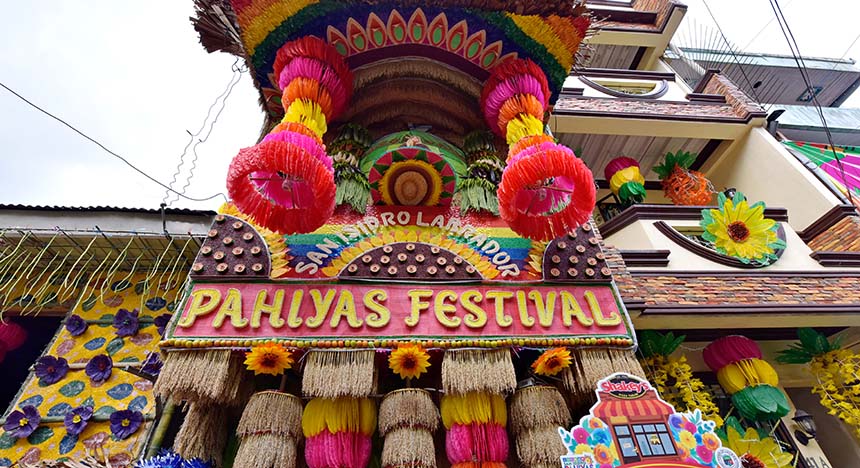
Every May 15, the colorful town of Lucban, Quezon bursts into life with the Pahiyas Festival. This festival began in the 16th century when Spanish priests had local farmers bring their crops for blessing. As the town grew, farmers left their harvests home for priests to bless.
Today, Lucbanins decorate their homes with produce and handicrafts to thank San Isidro de Labrador, the patron saint of farmers. The festival includes a procession in the town center of Pancit Habhab carts, carabaos, street performances, and higantes or giant paper mâché figures.
8. Obando Fertility Festival (May 17 to May 19)
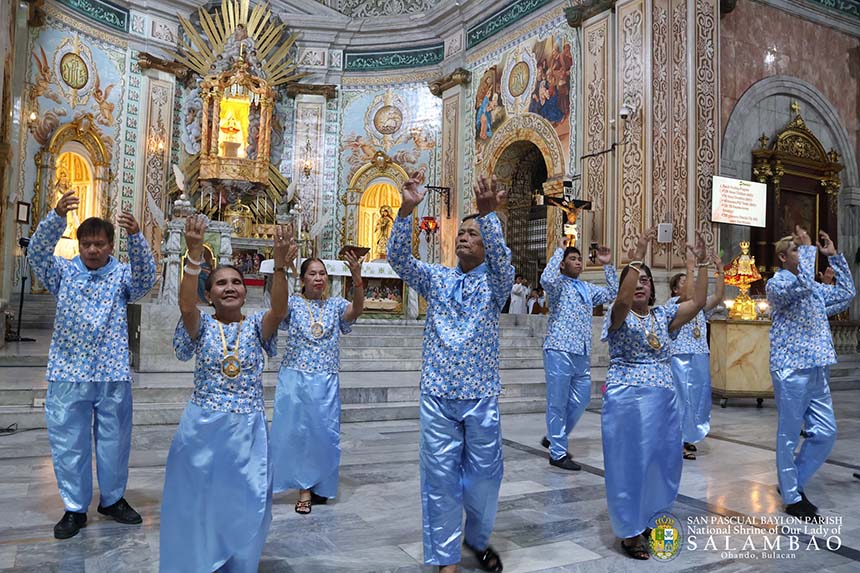
Image Credit: National Shrine of Our Lady of Salambao - San Pascual Baylon Parish FB
From May 17 to 19 in Obando, Bulacan, faith and tradition come together in a unique celebration known as the Obando Fertility Festival (or Obando Fertility Rites). This festival honors three patron saints: San Pascual Baylon (May 17), Santa Clara de Asís (May 18), and Nuestra Señora de Salambao (May 19).
One of its most famous rituals is called "Sayaw sa Obando." Couples who want blessings for fertility participate in a dance, mimicking the choreography of costumed dancers in the procession. The dance involves movements where women look like they're massaging and lifting their bellies to the sky while the men keep their hands behind their backs but point upward in prayer. The couples then hold hands and sway their arms from left to right.
9. Taong Putik Festival (June 24)
Every June 24, during the Taong Putik Festival, people in Bibiclat, Aliaga, Nueva Ecija cover themselves in mud and wear costumes made from dried banana leaves. Their inspiration is Saint John the Baptist, who is often dressed like a beggar in Biblical tales. The “mud people” visit houses or ask people for candles or alms to buy candles, which they offer to Saint John.
Devotees of the saint in Bibiclat believe Saint John the Baptist performed a miracle during World War II. The story goes that villagers offered prayers as Japanese soldiers were about to execute local men. Suddenly, heavy rain began, which some Japanese officers interpreted as a sign of disapproval from heaven, leading them to spare the men's lives.
10. Parada ng Lechon (June 24)
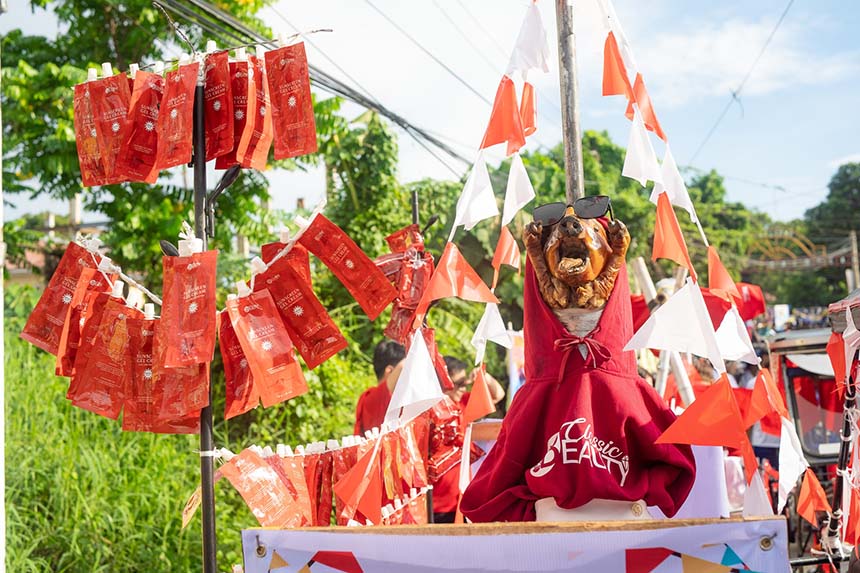
Image Credit: The Original Parada ng Lechon sa Balayan FB
In Balayan, Batangas, the Parada ng Lechon brings the streets to life every June 24 in honor of Saint John the Baptist. The festivities begin with a mass where roasted pigs (lechon), each dressed in quirky costumes, receive a special blessing before hitting the parade route.
One of the most delightful traditions of this festival is the tradition of people dousing each other with water. This is a practice linked to Saint John the Baptist’s role in baptizing Jesus Christ, where water symbolizes cleansing and renewal, creating a fun atmosphere of community spirit.
11. Pintados Festival (June 29)
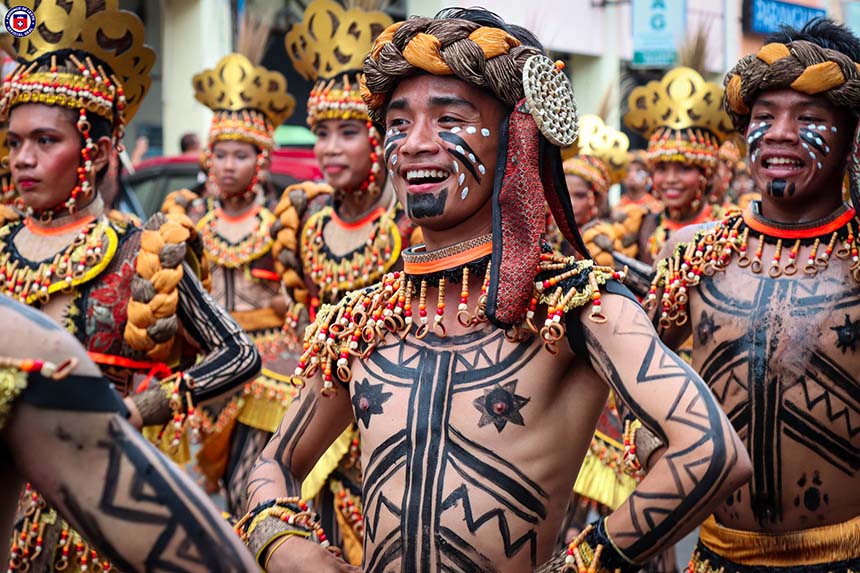
Image Credit: Pintados-Kasadyaan Festival of Festivals FB
The Pintados Festival is held every June 29 in Tacloban City, Leyte, in honor of the Santo Niño. It also celebrates the tradition of tattooing among the Visayans, whom Spanish colonizers called ”pintados” (meaning “painted”).
Today, people who join this religious festival in the Philippines wear colorful costumes and paint their bodies with pre-colonial tattoos that symbolize bravery and strength.
12. Kadayawan Festival (Third Week of August)
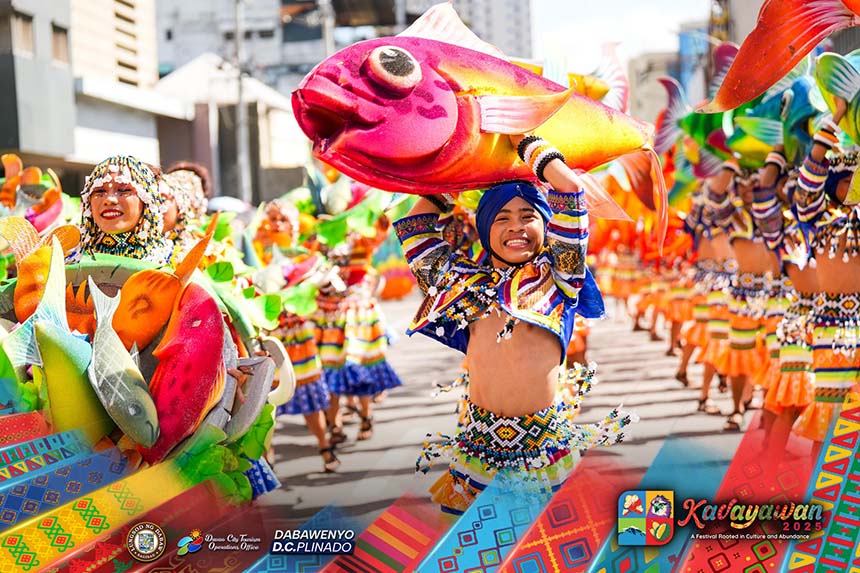
Image Credit: Kadayawan sa Davao FB
The Kadayawan Festival takes place every third week of August in Davao City where Dabawenyos celebrate to give thanks for a bountiful harvest. Most importantly, it pays tribute to Mindanao’s tribes, who get to showcase their traditional dances, outfits, customs, and products.
The festival’s highlight is the “Indak-Indak sa Kadalanan,” which translates to “street dancing” in Cebuano, and features a dance parade filled with color, sound, and movement. Visitors can enjoy concerts, beauty contests, and Davao's best food.
13. Peñafrancia Festival (First Friday of September)
The Peñafrancia Festival in Naga City, Camarines Sur is a moving display of devotion to Our Lady of Peñafrancia. It starts with a Traslacion held on the first Friday of September. The procession transfers the image from Our Lady of Peñafrancia Parish (Old Shrine) to the Naga Metropolitan Cathedral.
The main festivities occur on the third Saturday of September, when the fluvial procession along the Naga River draws millions of devotees yearly, making it one of Asia’s largest Marian celebrations.
14. MassKara Festival (Fourth Sunday of October)
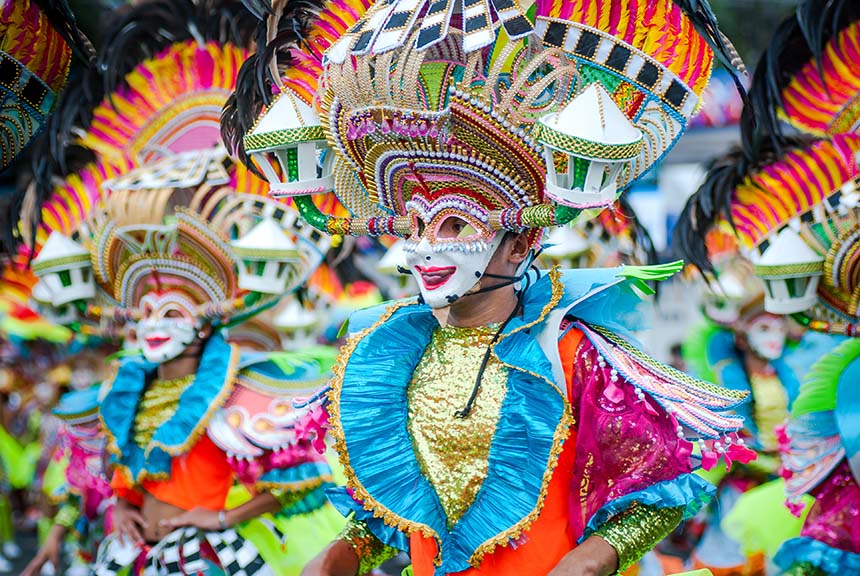
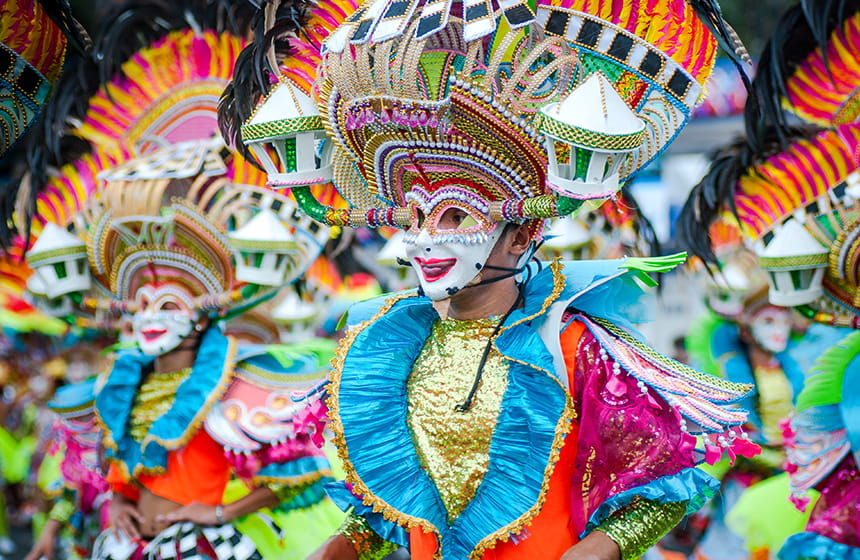
In Bacolod, the MassKara Festival lights up the city every fourth Sunday of October with vibrant colors, lively music, and energetic performances. This festival had been created to uplift the town’s spirit and resilience amid economic hardship and tragedy.
The festival features colorful masks, street dances, and cultural events that showcase local traditions and creativity. Throughout the day, you can watch beauty pageants, concerts, and dance competitions.
15. Giant Lantern Festival (December)
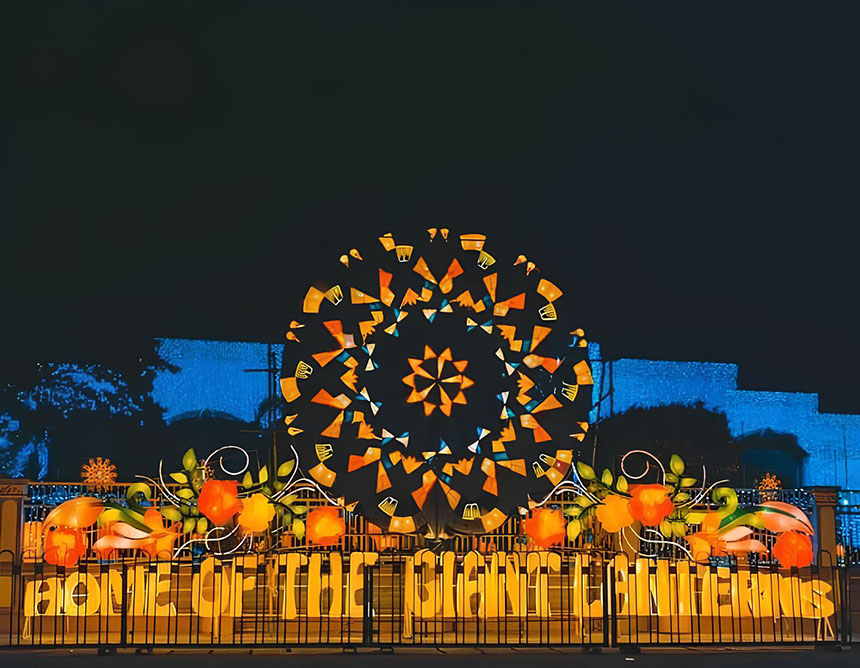
Image Credit: Giant Lantern Festival
In San Fernando, Pampanga, the Giant Lantern Festival lights up the city every mid-December. This annual celebration, locally known as “Ligligan Parul,” which means “lantern competition” in Kapampangan, features a spectacular competition of giant lanterns or parols created by different barangays.
Each lantern showcases intricate designs and synchronized dancing lights, symbolizing the Star of Bethlehem and the Filipino spirit of hope and unity during Christmas. The festival transforms the city into a glowing display of color and craftsmanship, capturing the warmth, creativity, and sama-sama spirit that define a truly Pinoy Christmas.
Share Your Filipino Culture Experience
Religious festivals in the Philippines offer an unforgettable glimpse into the country's diverse heritage and unique identity. Once you witness what it's like, don't be surprised by wanting to return year after year.
Experience the color and energy of festivals across the Philippines, and share every moment as it happens. With a reliable prepaid promo, you can upload quick snaps and stories while on the move, while a postpaid plan gives you steady data for live streams and uninterrupted sharing from one celebration to the next.
For balikbayans and first-time visitors, staying connected is just as seamless. With a 5G Traveler SIM, you get big data perfect for navigating, sharing, and capturing every festival moment. If you have an eSIM-compatible phone, you can skip the physical SIM and activate your Traveler eSIM through the GlobeOne app as soon as you arrive.
Wherever the celebration takes you, don’t just witness the moment—share it, relive it, and be part of it.