In this article:

You've probably felt the drain of waking up early, going through a long commute, and clocking in and out, only to repeat it all over again. At some point, you start wondering if there's a better way to build your career without sacrificing your well-being.
The good news? You absolutely can, and turn that burnout feeling into a career breakthrough with remote work.
Remote work offers you freedom to manage your time, skip the hectic commute, and balance work and life on your own terms. Though the shift may be challenging, with the right tools and skills for remote jobs, you can thrive.
Ready to make a leap? Learn about the right mindset and approach to mastering key skills for remote jobs.
What are Remote Work Skills?

Remote work skills are a combination of what you can do and how you get things done effectively. They include technical skills, which are the practical abilities you use to perform tasks such as writing, video editing, programming, or other services you can offer. The good news is that these skills can be developed and improved over time through online courses, training platforms, and many other learning resources.
But succeeding in remote work takes more than technical know-how alone. Employers also value how you communicate, manage your time, adapt to challenges, and work with others in a virtual set-up. These are known as soft skills, or the habits, attitude, and mindset that shape how you work and collaborate with others. While hard skills may help you land interviews, soft skills often help you grow, earn trust, and advance in your career.
If you’re ready to dive into a remote work career, these are the soft skills you need to develop for long-term success.
Building Productivity and Focus in Remote Work

Remote work gives you more freedom and flexibility, but it also requires strong personal discipline to stay productive each day. Building these skills and habits that help you stay focused, organized, and accountable becomes even more important.
1. Time Management for Smarter Prioritization
Since you’re likely to get distracted by neighborhood noise or the temptation to doomscroll on your phone when working remotely, staying focused takes intention and structure. By managing your time and separating work from leisure, you can boost productivity, meet deadlines, and maintain a healthier balance between work and personal life. Plus, good time management builds trust with your bosses and clients.
Discipline yourself by using tools like Google Calendar, Trello, or other productivity apps to help you block out time for tasks, meetings, and even breaks. Sync your email with your calendar, so you’ll never miss meetings and huddles. This ensures you stay organized, productive, and in control of your day without feeling overwhelmed.
2. Taking Initiative in a Remote Set-up
When you're working remotely, taking initiative is important. You need to spot what needs to be done and get moving without waiting to be told.
Being a self-starter shows your team that you're reliable, driven, and capable of working independently. Tools like Microsoft Teams, Basecamp, and Todoist can help you stay on loop with your tasks by automating reminders or even just with a glance, so you can stay on track with your to-do lists. These tools help you stay proactive, organized, and on top of your responsibilities.
3. Self-Discipline for Peak Productivity
With the comfort of working from home, it's easy to get distracted, lose track of time, or blur the line between work mode and rest mode, so being self-disciplined is what helps you stay on track. This helps you set clear boundaries, so you can remain productive while still protecting your personal time.
Try focus-enhancing apps like Forest or a Pomodoro Timer, or even set a focus mode through your phone or laptop to help you maintain concentration, meet deadlines, and stay motivated.
4. Accountability for Remote Success
When working remotely, the freedom to work independently is both an advantage and a challenge. Without the natural structure of a traditional office, it's easy to let tasks slip, miss deadlines, or lose sight of your goals. That's why accountability is essential: it helps you stay honest with yourself, consistent in your work, and committed to finishing tasks even when no one is watching.
Strengthen accountability by using tools like Freedom to block out distractions and stay focused on your priorities. You can also try Focusmate, which pairs you with a virtual accountability partner while you work. These tools can help you stay disciplined, productive, and on track throughout the day.
Strengthening Communication and Collaboration Skills

Working remotely means most interactions happen online. Developing these strong communication and interpersonal skills can help you work more effectively with teammates, adapt to changes, and build stronger professional relationships even from a distance.
5. Clear Communication for Seamless Collaboration
Good communication skills help you understand projects clearly, minimizing the chances of making mistakes. It also enables you to collaborate well with your team, even when you're not physically together. It's great for keeping colleagues updated, especially if you're all in different time zones. Plus, it can help fight feelings of isolation.
Tools like Slack for team chats or Zoom for video calls are vital. But it's how you use the tools that matter. Be proactive. If you're unsure about a task, ask. If you've completed a project, update your team. Over-communication is better than no communication.
6. Emotional Intelligence for Stronger Work Relationships
Managing your emotions and being mindful of others is one of the most meaningful skills in remote work. In an office, building a respectful and open culture often happens naturally through everyday face-to-face interactions. But in a remote set-up, most of those moments happen through a screen, which makes intentional communication even more important.
By practicing self-awareness, active listening, and empathy, you can build healthier, stronger relationships with your colleagues, even from a distance. Hop on a quick call from time to time or send a simple message to check in and see how they’re doing. When building real connections, no effort is ever too small.
7. Flexibility and Adaptability for Resilience
Your ability to adapt to changing situations, like a last-minute video call or a project pivot, can help you avoid feeling overwhelmed when plans suddenly change. This not only makes you more productive but also more resilient when unexpected challenges come your way.
Flexibility works best when your tools can keep up, too. In remote work, your set-up can change anytime—from working at home to taking calls while out or handling tasks during an internet outage. A prepaid data promo gives you the freedom to reload when needed, stay connected on the go, and keep work moving wherever the day takes you.
Maintaining Balance and Continuous Career Growth

Thriving in remote work is not just about staying productive. It also means learning how to maintain balance, manage stress, and continue growing in your career over time. Building these habits can help make remote work more sustainable, rewarding, and fulfilling in the long run.
8. Stress Management for Better Work-Life Balance
Remote work may cut out the usual office drama, but not the stress. Even working remotely, deadlines can pile up, communication can be challenging, and the line between work and home life can quietly take a toll. Knowing how to manage that pressure is what keeps you grounded and focused.
Check out meditation apps like Headspace for relaxation or take stress management courses on online platforms like Coursera. Listen to mental health podcasts for helpful tips and insights. You can also check with your company to see if they have an Employee Assistance Program that offers support and helps resolve personal problems.
9. Digital Skills for Everyday Remote Work
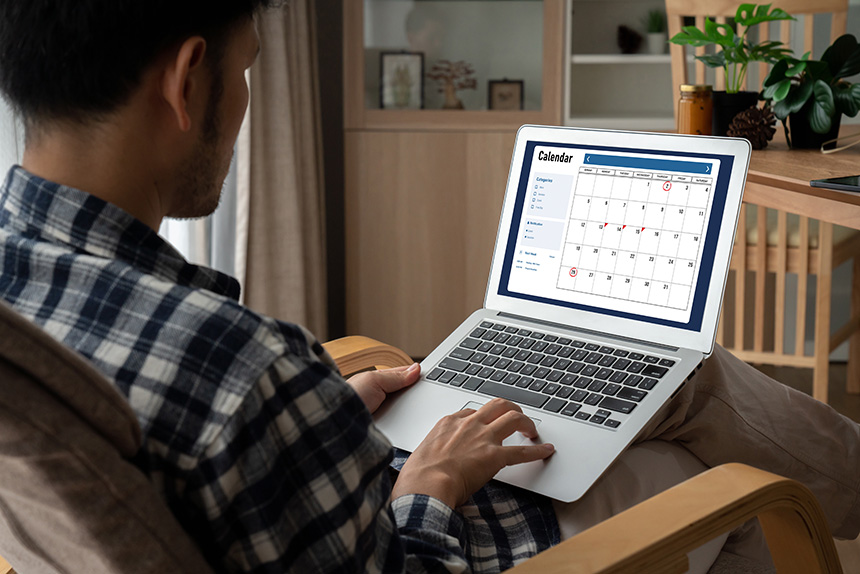
Most of your work happens online, so having a working knowledge and understanding of digital tools for communication, collaboration, and task management isn't just a nice-to-have—it’s essential. It's what keeps you productive, connected, and ahead of the game.
For communication tools, familiarize yourself with platforms like Zoom or Google Meet, where most meetings happen. For collaboration, tools like Trello and Asana can help teams stay aligned and organized. For managing tasks, use Google Workspace, such as Google Drive, to store files and work efficiently with others. If you want a tool that helps you track your tasks at a glance, try Notion. By expanding your technical skills, especially those required by your online job, you can stay competitive in the job market.
10. Continuous Learning for Long-Term Growth
Remote work environments move fast because industries evolve and digital tools are constantly updated to meet changing job demands. Dedicate a small amount of time each week to learning something new and building skills beyond your current role. With consistency and a growth mindset, you can continue to excel, stay competitive, and feel confident in your craft.
Upskill through platforms like Coursera, Udemy, or LinkedIn Learning to pick up new skills or sharpen the ones you already have. You can further support your career progression with platforms like Upskillist to future-proof your job. Remember, growth is a continuous process.
All Set for Your Remote Job?

Switching from a traditional job to remote work can feel like a big step, but with the right skills and mindset, you can do it with confidence. Success in remote work is not only about what you do, but also how you manage your time, communicate, adapt, and stay accountable each day.
Your workspace also plays an important role in staying productive. A dedicated space at home can help you stay organized, focused, and in the right mindset for work. When your set-up works for you, doing great work becomes easier.
Reliable connectivity matters just as much. Whether you're attending meetings, uploading files, or staying in touch with clients and teammates, GFiber Postpaid helps you work with fewer interruptions. GFiber Prepaid can also be a smart back-up when your main connection goes down. Using the GlobeOne app makes it easy to monitor your data usage and reload whenever needed.
From managing your time wisely to investing in personal and professional growth, mastering these skills for remote jobs can help you build a more rewarding and sustainable career. Your next opportunity could be closer than you think, and it may start right at home.





Keeping You Connected Anywhere, Anytime
Stay confident through life’s challenges with reliable connectivity that keeps you moving forward.


