In this article:
Gadgets keep us connected, entertained, and productive. But, once they’re unusable and discarded, these electronic devices pose risks to your health and the environment.
Electronic waste disposal requires strong cooperation among communities, local governments, and businesses. You can play your part by learning which discarded devices are harmful and how to dispose of them responsibly.
What’s Electronic Waste?
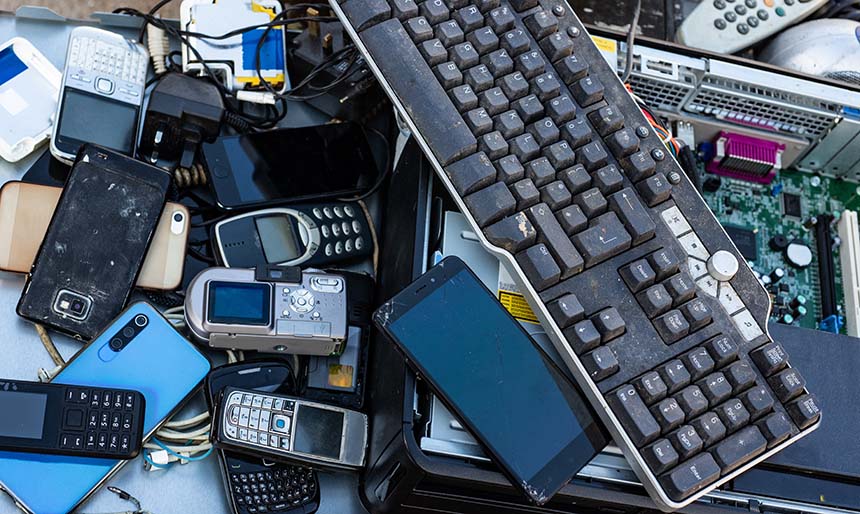
Electronic waste, or e-waste, refers to unusable, obsolete, or discarded electronic devices or components with a battery or plug.
The Global E-Waste Monitor classifies electronic waste examples into six categories.
- Cooling and freezing equipment, such as refrigerators and air conditioners
- Screens and monitors, including televisions, laptops, and tablets
- Lamps like fluorescent and LED lamps
- Large equipment, such as washing machines or electric stoves
- Small equipment, from vacuum cleaners and microwaves to electric shavers and video cameras
- Small IT and telecommunication equipment, like mobile phones, routers, and printers
In their 2024 report, Global E-Waste Monitor says the main types of e-waste in the Philippines are consumer electronics. These include televisions, refrigerators, washing machines, and mobile phones.
What Makes E-Waste Harmful?
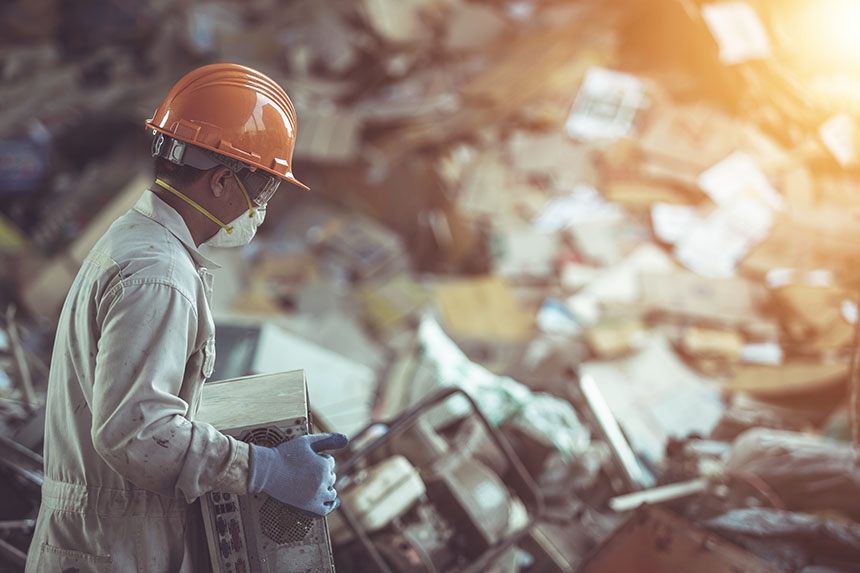
In 2022, the Philippines generated 540 million kilograms of e-waste. To this day, only a small portion gets recycled properly and safely. Much of it ends up in landfills, rivers, and the hands of scavengers and waste pickers who are unaware of e-waste's dangers.
Poor e-waste handling poses a serious problem to the environment and people's health due to the presence of toxic materials. These include flame retardants used in screens, monitors, and heavy metals like lead, cadmium, chromium, and copper. When these substances are disposed of incorrectly, they can contaminate the air, soil, and water.
The World Health Organization (WHO) warns e-waste is hazardous for children and pregnant women. Its materials have been connected to issues like stillbirth, premature births, problems with brain development and learning, and breathing problems.
How to Dispose of Electronic Waste?

Dealing with electronic waste disposal is a shared responsibility. Here are some effective ways that you, your family, and your community can manage e-waste.
Take-Back and Trade-In Programs
Take-back and trade-in programs are offered by technology companies, including Apple, Samsung, and HP in the Philippines. These programs allow you to return their older devices for proper e-waste recycling. Some companies offer trade-in options, which enable users to exchange their old gadgets for discounts on new products. For example, Globe's Trade-In program allows you to exchange your old device for bill credits or GCash, ensuring it's disposed of properly.
Donate or Sell
If your gadgets still work, consider donating them to someone in need or selling them online. You can also participate in or organize e-waste collection drives in your school, neighborhood, or workplace.
Recycle
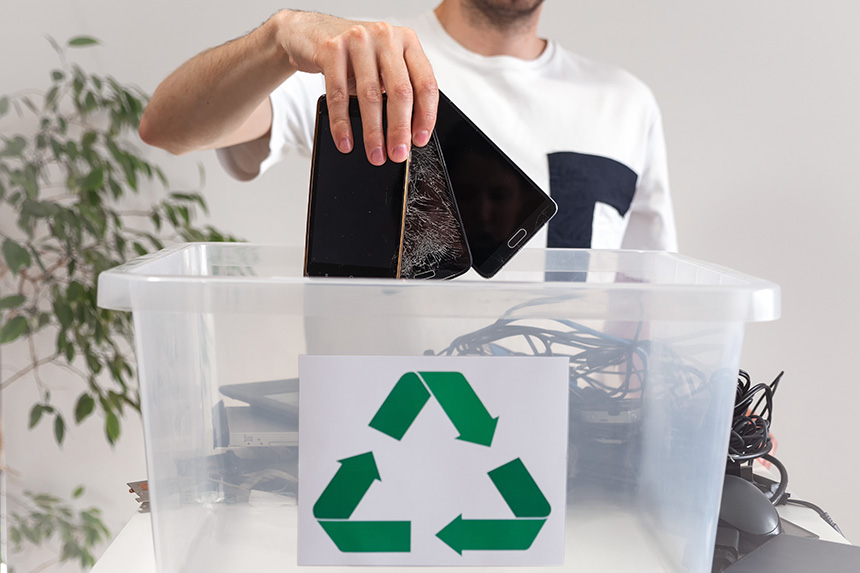
Look for certified e-waste recycling centers in your area. Check your neighborhood or barangay for drop-off points or collection events specifically for electronics.
Before disposing of any electronic device, remove or delete personal data from your gadgets. This step is crucial to protect your privacy and prevent data breaches. Back up your data, log out of your apps, delete them, and reformat any reusable electronics.
Where to Bring Used Electronics
Here are five places that can recycle or extend your electronics’ usefulness.
1. HMR Trading Haus
Earn extra cash with your gently used or surplus electronics with the help of HMR Trading Haus. The store buys electronics, base metals, computers, appliances, and other spare electronic parts. HMR refurbishes and resells them through their physical stores and auction platform.
Address: Pioneer Street corner Reliance Street, Mandaluyong City
Contact: Call 0917 875 8657 or 0917 830 7717. You can also message them on Facebook.
2. Humble Sustainability
Own a business with aging electronics or excess office assets, like mobile phones, laptops, or monitors? Humble Sustainability can liquidate your inventory and recover the highest possible value via its network of B2B partners, wholesale buyers, recyclers, and upcyclers.
Address: 664 Sgt. Bumatay Street, Mandaluyong City
Contact: Call 0917 103 9005 or message them on Facebook.
3. HMR Envirocycle Phils., Inc.
A full-service e-waste recycling company, HMR Envirocycle is accredited by the Department of Environment and Natural Resources (DENR) as a Treatment, Storage, and Disposal (TSD) facility. Drop off your old electronics at these HMR locations.
- HMR Envirocycle: HMR Compound, CA Yulo Avenue, Silangan Industrial Park, Calamba City
- HMR Pioneer: Pioneer Corner Reliance Street, Mandaluyong City
HMR Envirocycle also has drop boxes for tenants of NEO buildings in Bonifacio Global City.
Address: Pioneer in Mandaluyong and Silangan Industrial Park in Calamba
Contact: Call 0917 834 9596 or message them on Facebook.
4. The E-Waste Project
UP Circuit, a student organization from the Electrical and Electronics Engineering Institute of the College of Engineering of UP Diliman (UP EEEI), hosts electric waste collection drives for the public under The E-Waste Project (TEP). They typically hold about one or two drives a year, accepting refrigerators, computers, and other large electronics.
The good news is that TEP now has drop-off boxes for small to medium-sized e-waste at the following locations in UP Diliman.
- Electrical and Electronics Engineering Institute
- College of Science Library
- Molave Residence Hall
Address: University of the Philippines, Diliman, Quezon City
Contact: Message them on Facebook.
5. SM Supermalls
SM Supermalls’ “Trash to Cash” recycling market exchanges cash for recyclable materials, which include paper, plastics, PET bottles, glass, metals, and kitchen items. They also accept used lead-acid batteries (ULAB) from cars and trucks.
The market is usually held on Fridays and Saturdays from 10 a.m. to 2 p.m. But regularly check the SM Cares Facebook page for announcements on ULAB acceptance dates.
Address: Visit their website for a complete list of locations.
Contact: Message them on Facebook.
Towards a Cleaner and More Sustainable Tomorrow
Every action you take—whether it's recycling an old phone or encouraging friends and family to do the same—contributes to a healthier planet. Let's spread the word and work towards a future where technology and sustainability go together.
Check out this Globe-supported TSD Facility in Dampalit, Malabon City, to see responsible electronic waste disposal in action. The facility was established by DENR through a collaboration with the United Nations Industrial Development Organization (UNIDO) and the Global Environment Facility (GEF). The initiative focuses on training women workers to lead safe and effective e-waste recycling practices.
As a proactive step for your current device, Gadget Xchange is also available. It's a device protection plan from Globe that allows you to swap or replace a damaged phone, helping you keep it in use for longer.
Whether it’s finding a proper disposal site or using a plan to extend your device's life, it all comes down to making smarter choices. Every device we recycle, donate, or protect is a small victory for a cleaner, safer environment.