In this article:
With the holidays long over, it's time for the annual “new year, new me” assessment. Many people are entering 2026 with high motivation, and perhaps you are, too.
Now is the time to maximize the hype of the new year by building new habits and making minor lifestyle tweaks to improve your life. A great place to start? Acquiring better, smarter money management skills.
Why Personal Finance is Important
Personal finance is the general term for managing, saving, and investing the money you earn, spend, and keep for yourself. When it comes to short-term goals, following best practices on personal finance ensures that you get through each day with money-related worries on the back burner. Meanwhile, making it a long-term priority helps you plan and prepare for your future.
Aside from budgeting and expense management, personal finance also includes retirement funds, investment plans, and related matters. To pay for these, you should manage and allocate your income effectively to help you achieve financial wellness. But let's not jump the gun and talk about the basics.
Financial New Year's Resolutions: 8 Changes That Can Help You Attain Your Financial Goals
Financial wellness in 2026 is achievable, even when you start committed to making small tweaks. In fact, minor adjustments are the key to resolutions that stick. This may mean, at times, acquiring something new. But there are cases where it's a matter of doing less. Ahead, get to know some practical financial New Year's resolutions you can take on.
1. Trim down your expenses by budgeting.
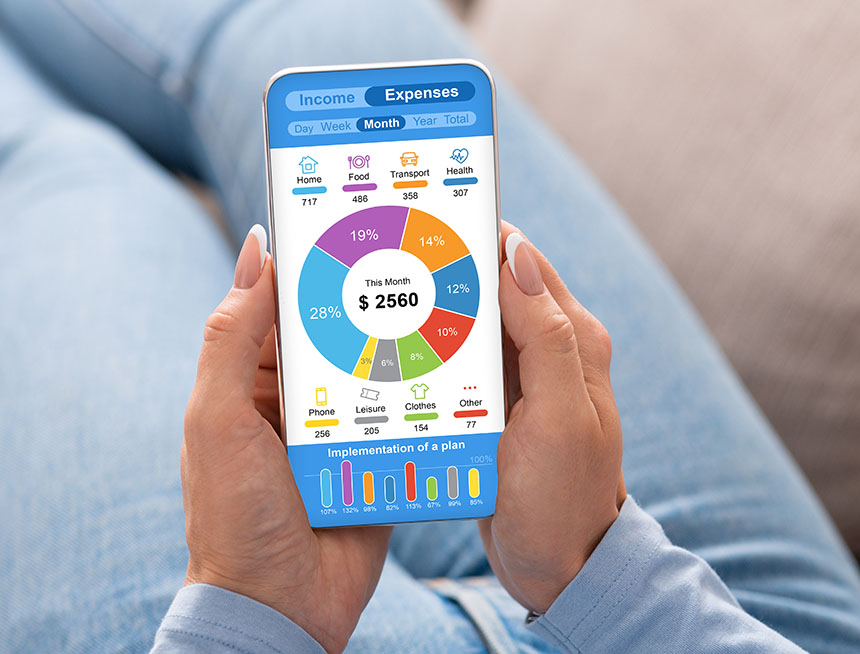
Those who go without a budget are missing an important segment of managing personal finances. You need to have a basic, straightforward understanding of what you're bringing in and what you're spending on, so you can ultimately work toward saving consistently.
For instance, you can choose a connectivity plan that fits your specific budgeting style. Prepaid promos are a great idea if you need flexibility, since they allow you to pay only for what you use each week. On the other hand, you might prefer a postpaid option to help you maintain a set monthly plan. This ensures your mobile or internet expenses stay within a fixed limit, helping you stay financially on track without any surprises.
Creating and sticking to a budget helps you stay in the driver's seat. Keep track at all times and be diligent about jotting down your expenses and income. Downloading budgeting apps or making it a habit to list your purchases should help you see how much you should be spending and if adjustments are necessary.
2. Save up for retirement.
Think you don't need to get started on this fund because you're nowhere near retirement age? Think again. Saving for retirement as early as now allows you to take full advantage of compound interest. With inflation and economic uncertainty striking unexpectedly, prioritizing your retirement is a great way to protect yourself and ensure financial security and comfort in your golden years.
3. Start investing.

One of the best ways you can earn money passively is through investments. Rather than just holding your money in a savings account, investing allows your money to grow and compound over time. In other words, if your job makes you work for your money, then investing makes your money work for you.
4. Evaluate your “eating out” budget.
Perhaps it's time to come face-to-face with an indulgence: maybe you've been eating out more than you should. Whether this is because you have no time to cook or because you tend to crave one comfort meal after another, most people don't realize how much they spend on food, mainly when they don't track it.
An easy solution is to cook at home and master meal prep, which entails carving out time at the start or end of the week to prepare whole meals in batches in advance. This isn't just a great way to save time, effort, and money; it can also lessen any decision-making fatigue.
5. Start an emergency fund.

Any accident, illness, or unexpected job loss can eat away at months' or years' worth of savings. An emergency fund can help you cushion any blows that may come your way and buy you time, so you can plan your next steps.
There's no fixed amount to consider when starting an emergency fund. Still, you should take some time to review your current situation. As a rule of thumb, your emergency fund should cover at least three to six months of your total living expenses.
6. Apply for insurance policies.
In addition to starting an emergency fund, one resolution you can adopt is to acquire insurance. Sudden hospitalizations, theft, and accidents can be costly, and having a policy will allow you to handle such situations with greater flexibility. You can explore options like health insurance to cover medical costs from doctor visits and laboratory tests to hospital stays. This type of coverage helps you stay ahead of medical inflation and provides peace of mind by protecting your savings during unexpected illnesses. Ultimately, these policies help keep you, your family, and your assets safe.
7. Pay your bills and settle debts.
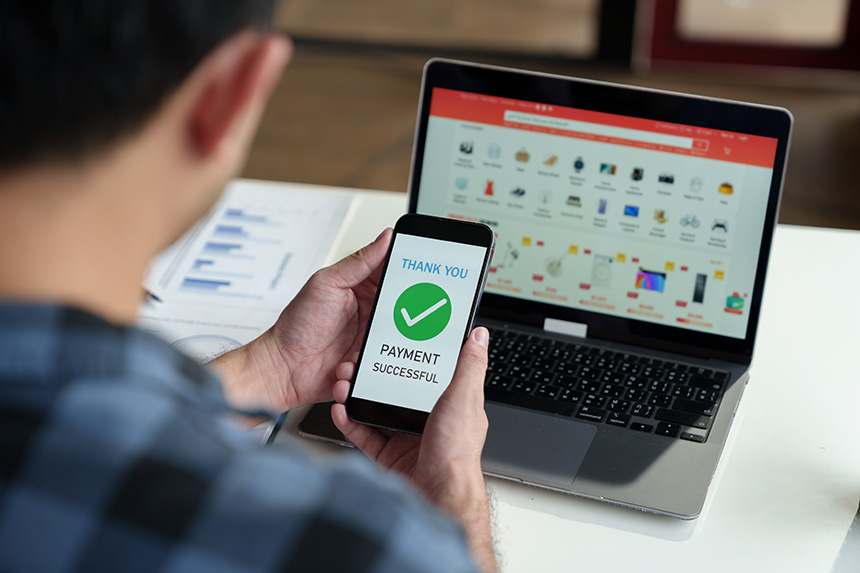
It goes without saying that failing to pay off debts can pose a considerable threat to your financial security. For credit card bills, paying late can result in additional charges or a low credit score. It may be harder to manage regular expenses or save extra money if you have to pay high interest fees, too. Pay your bills before considering making unnecessary costs. Cutting down on these can also help you clear your debts faster when you prioritize the latter over the former. You can check out these tips on how to save on electricity bills.
8. Manage and review your plans and subscriptions.

Take time to tally all your existing subscriptions for apps, streaming platforms, fitness studios, and more. You might be surprised to see how these “small” monthly expenses add up when viewed together. Pay attention to the lifestyle shifts you've taken on, either consciously or unintentionally, and cancel subscriptions where applicable.
For example, your current grind at work has kept you from streaming films and series on Netflix and Disney+. Instead of paying for multiple services, you can maximize your budget by exploring rewards and plan inclusions. For instance, you can get access to various partner apps by redeeming your Globe Rewards points. If you're looking for a new home internet connection, certain GFiber plans even include free access to apps like Disney+. Additionally, students can save even more by looking into specific offers such as the Spotify Student Discount to keep their monthly costs low.
While you're at it, check for any free trials you've availed of but have since forgotten. Chances are, you're being continually charged for the subscription triggered after your trial. Take stock and go on an unsubscribing spree.
New Year, New Money Lessons
To make the most of the year ahead, it helps to build healthier money habits early on. Budgeting wisely, settling debts, and applying the tips above can move you closer to financial wellness. Your future self will thank you for the discipline you start today.
That said, being financially mindful doesn't mean missing out on the things that make life enjoyable. Finding ways to save while still upgrading everyday essentials can make a real difference.
As you stay consistent with your goals, remember to reward your progress in ways that feel meaningful to you. Small treats, shared moments, or well-earned downtime can keep motivation high as you build smarter habits for 2026.