In this article:
- Install LED Lights
- Unplug Electronics You're Not Using
- Use Smart Power Strips
- Invest in Smart Home Devices
- Manage Your AC Use
- Practice Proper AC Maintenance
- Make The Most of Natural Light
- Wash Your Clothes in Cold Water
- Line Dry Your Clothes
- Be More Mindful in the Kitchen
- Use the Fridge Efficiently
- Explore More Ways to Cook
- Switch to Renewable Energy
- Improve Home Insulation
- Don’t Fall for These Energy-Saving Myths
- Make Every Choice Count
If you’re looking to cut household expenses, your electricity bill might be a great place to start. Nobody enjoys seeing a hefty charge each month, so why not find ways to save on electricity?
Aside from reducing wasteful habits; doing so also minimizes your carbon footprint and keeps your appliances in top shape. The best part? You just need to make a few small changes to your daily routine. Are you ready to make your home more energy-efficient and wallet-friendly? Here are 15 ways to save on electricity bills without sacrificing your lifestyle.
1. Install LED lights
Still using old school incandescent bulbs? It’s time to upgrade. LED bulbs use up to 85% less energy, last longer, and don’t heat up. Additionally, they’re perfect for our tropical climate because they keep your space cooler. Also, get in the habit of switching off your lights when you’re not using them.
2. Unplug Electronics You’re Not Using
Does your TV, gaming console, or laptop feel warm even when it’s off? That’s phantom energy—electricity that devices still consume in standby mode, which slowly adds to your bill. If unplugging everything feels like a hassle, try a smart plug to control appliances remotely and schedule them to turn off when not in use. Small changes like these can add up to bigger savings over time!
3. Use Smart Power Strips
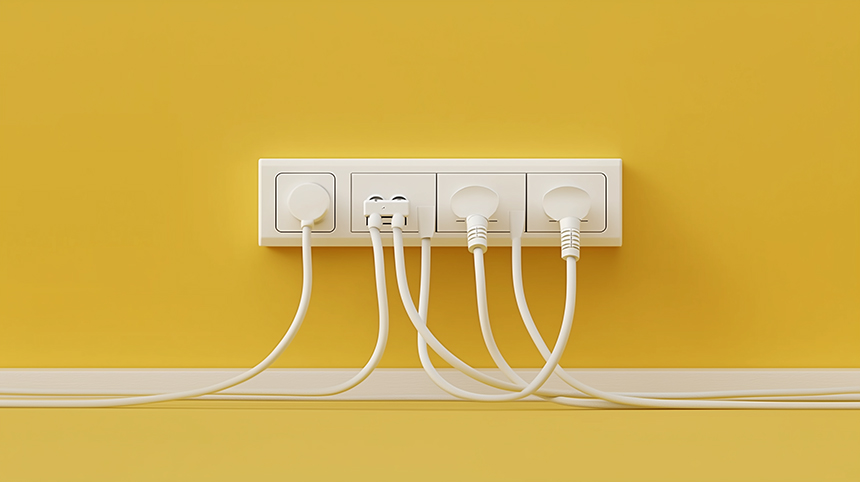
You can also save more energy at home by using smart power strips, a device that lets you switch off all electronics at once. Unplugging everything can be a lot of effort, but these nifty devices cut off power, so you aren’t wasting energy without realizing it. Lasco offers a selection of smart power strips starting at ₱1,990.00.
4. Invest in Smart Home Devices
Smart home technology isn’t always affordable, but it’s a great way to boost energy savings without effort. Devices like smart thermostats can adjust temperatures based on your habits, while motion-sensing lights turn off automatically when no one is in the room.
5. Manage Your AC Use
While it feels great to put your AC on full blast, your wallet may disagree. Adjust your thermostat to 25 degrees—it's cool enough to make you feel comfy without making a huge dent on your bill. You can also opt to buy an inverter aircon, which may cost more upfront but can save money in the long run by operating more efficiently than regular units.
6. Practice Proper AC Maintenance
Did you know that using dirty filters consumes more electricity because they make your AC work harder? By having your unit regularly serviced and cleaning your filters every two weeks, you’ll be able to keep your AC running efficiently and your bill in check.
7. Make The Most of Natural Light

Who needs a lamp when sunlight is free? Roll up your blinds, open your curtains, turn the lights off, and let natural light do the work for you. If your home doesn’t get much sunlight, opt for lighter-colored walls so light can bounce off easier. You can also use mirrors to reflect and spread light throughout your home. Plus, natural light is a mood booster so it’s a win-win!
8. Wash Your Clothes in Cold Water
Using cold water for your laundry saves electricity by skipping the energy-intensive heating process. Since most of a washing machine’s power goes to this, switching to cold water reduces energy use without compromising cleanliness. Also, modern detergents work best in cold water, keeping your clothes fresh while preventing shrinkage and fading. Thus, doing this simple change not only lowers your electricity bill, but also makes your clothes last longer!
9. Line Dry Your Clothes
Dryers consume a lot of electricity and can wear out your clothes faster. Instead, hang your clothes outside or use an indoor drying rack whenever possible to air dry them naturally. If you must use a dryer, run it with full loads and clean the lint filter regularly to keep it working efficiently.
10. Be More Mindful in the Kitchen
Small changes in the kitchen can make a world of difference, like defrosting your freezer regularly to keep it efficient. Next, keep the refrigerator door closed, especially if you have an older model. If your home runs on a water pump, fill your sink with water when washing dishes instead of letting the tap run continuously. This reduces the energy required for water pumps, helping you save on electricity in the long run.
11. Use Your Fridge Efficiently
Your refrigerator runs 24/7, making it one of the most energy-consuming appliances in your home. Thus, avoid overloading it; packed shelves block airflow and make the compressor work harder. Likewise, don’t leave the fridge door open for long periods, as it forces the system to work harder to regulate the temperature.
12. Explore More Ways to Cook

Did you know that cooking habits can impact your electricity bill? For example, instead of using a conventional oven, use an air fryer or microwave to whip up a meal, as they cook food faster while using less energy. Alternatively, you can also use a slow cooker or rice cooker to retain heat for your stews and leverage their steam function to cook veggies, saving you time, and ultimately, money.
If you prefer to use the stove, make sure you match your pot or pan size with the burner. Using a small pan on a big burner wastes heat and electricity!
13. Switch to Renewable Energy
If you’re looking for a long-term way to cut energy costs, investing in solar panels or a solar water heater can drastically lower your dependence on electricity. While the initial installation can be pricey, the savings over time make it a worthwhile investment. Many local governments even offer incentives or rebates for homes that use renewable energy.
14. Improve Home Insulation
Proper insulation keeps your home cool during summer, reducing your need for air conditioning. Start by sealing gaps around windows and doors to prevent air leaks that cause temperature fluctuations. If possible, invest in double-glazed windows or add curtains to improve insulation. A well-insulated home keeps you comfortable year-round while cutting down on energy use.
15. Don’t Fall for These Electricity-Saving Myths
Not all energy-saving advice you hear is accurate. In fact, some common misconceptions might be costing you more. Here are the biggest myths debunked.
- Myth: Turning appliances on and off consumes more electricity than just leaving them running.
- The Fact: Modern appliances are designed to handle frequent switching. Leaving them on "to save the surge" results in phantom energy waste. This is especially true for power-hungry devices like TVs and computers.
- Myth: Leaving a ceiling fan on will keep a room cool while you’re away.
- The Fact: Fans cool people, not rooms. They work by moving air across your skin to create a cooling sensation. If the room is empty, a running fan is just wasting electricity.
- Myth: Smaller appliances always use less power than bigger ones.
- The Fact: Size isn't everything, efficiency is. A new, inverter-model refrigerator often consumes significantly less power than an older, smaller "manual defrost" unit.
Since many smart home devices and online tools help you manage energy better, having a stable internet connection also supports your savings goals. You can stay connected through GFiber Postpaid or GFiber Prepaid and even handle tasks like paying your electricity bills via GCash—no extra trips or long queues needed.
Make Every Choice Count
Learning to save on electricity doesn’t have to mean sacrificing comfort—it's all about making better choices. Whether you choose to start with one of these energy-saving habits or go all-in with energy-efficient upgrades, every step makes a difference.