In this article:
Want a home that’s stylish, comfortable, and eco-friendly? Using sustainable materials for your home renovation can help reduce environmental impact while improving your home’s functionality and efficiency.
Many green building materials are designed to minimize waste, conserve natural resources, and support better energy use. These may also help lower utility costs and enhance property value over time.
Explore these eco-friendly renovation materials and discover practical ways to create a greener, more comfortable home.
Natural Materials
Bring the beauty of the outdoors in with these durable, renewable natural materials.

1. Bamboo
Bamboo is one of the most popular eco-friendly construction materials. It’s fast-growing, strong, lightweight, and can bend without breaking. This makes it a great choice for building houses, furniture, and other structures worldwide.
If you want to save on electricity costs, bamboo is also ideal since it can keep your home cool while reducing the need for air conditioning.
You can source bamboo from specialized suppliers for projects such as flooring, wall panels, ceiling installations, furniture, and decorative accents. Many bamboo suppliers for both large-scale renovations and smaller DIY upgrades can also be found through online marketplaces and community groups.
2. Rattan
Rattan comes from the stems of palm vines that grow widely across the Philippines, making it a naturally renewable and locally available material for home renovations. Its durability, lightweight feel, and timeless woven look have made it a long-standing staple in many Filipino homes.
Widely considered as a sustainable material, rattan is fast-growing and abundant in the Philippines. It’s also 100% biodegradable, and its production requires relatively low energy and generates fewer emissions compared to many other materials.
3. Sustainable Stone
For a sustainable stone option, consider materials such as granite, slate, or marble. These natural stones are highly durable and built to last, making them ideal for countertops, flooring, pavers, and facades.
Natural stone can also support better indoor air quality since it doesn’t emit harmful volatile organic compounds (VOCs), which may cause headaches and irritation. Another advantage is its ability to stay cool even in hot weather, making it well-suited for the Philippine climate and helping create a more comfortable indoor environment.
If you want to use sustainable stone for your renovation, you can explore local stone suppliers, tile and construction material stores, or workshops that specialize in custom stonework. Online marketplaces and supplier directories may also offer natural stone slabs, tiles, and decorative pieces for both large-scale renovations and smaller home upgrades.
4. Green or Living Roof
A green or living roof is a smart, eco-friendly home feature that adds both function and beauty to your space. Built with a waterproofing membrane, soil, and layers of plants, it helps purify the air, reduce stormwater runoff, and improve natural insulation. This keeps your home cooler during summer and can help lower energy costs over time.
If you’re planning to build a living roof, you can explore garden centers, landscaping suppliers, and waterproofing specialists for materials like drainage layers, soil systems, and roof-friendly plants.
Recycled and Reclaimed Options
Give materials a second life and reduce waste with these recycled options.
5. Reclaimed Wood
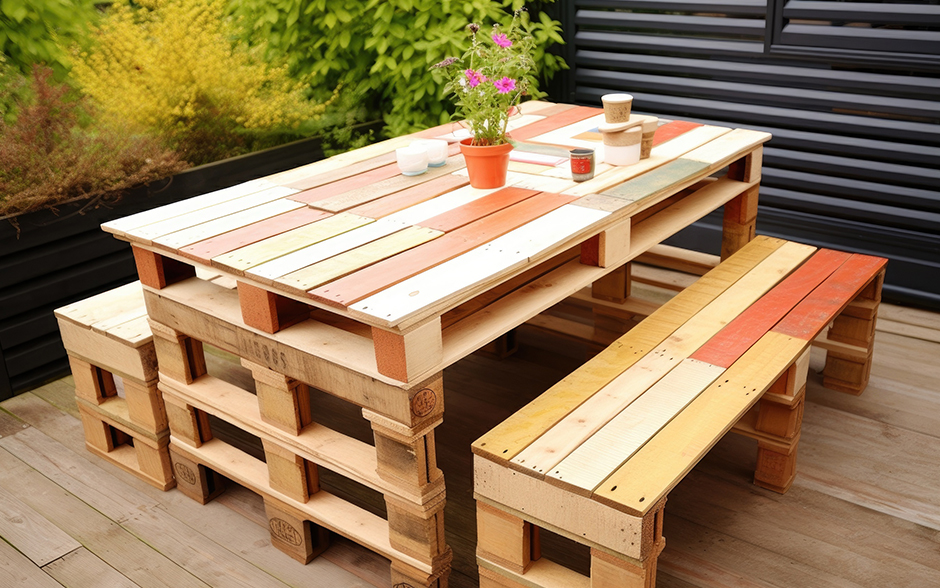
Recycled wood adds character to floors, walls, or furniture while reducing the demand for new lumber. It can also add a sense of history to your renovation. Remember to inspect the quality of reclaimed wood before using it for sustainable flooring, furniture, or accent walls.
Check Facebook Marketplace or Carousell for second-hand hardwood and reclaimed wood materials from local sellers. You can also visit surplus or salvage shops that carry solid wood pieces for renovation projects. For DIY upgrades, some local warehouses may offer or sell discarded palochina wood that can be repurposed into furniture, shelves, or accent pieces.
6. Recycled Glass
Use recycled glass tiles to create beautiful, functional features like backsplashes or decorative screens. These tiles allow natural light to filter through while maintaining privacy, making them ideal for bathrooms and kitchens. Crushed recycled glass can even be used as a substitute for sand in concrete, reducing the need for new materials.
You can source recycled glass materials from eco-conscious suppliers and online marketplaces by searching for repurposed bottles, recycled glass tiles, or crushed glass materials. Joining sustainability-focused communities and zero-waste groups can also help you discover local suppliers, creative renovation ideas, and practical tips for using recycled materials at home.
7. Recycled Metal
Conserve natural resources and reduce waste with recycled metal. Steel, for example, is 100% recyclable, without any loss of quality when reused repeatedly. You can use recycled metal in various ways, from structural components like beams and columns to countertops, roofing, and decorative accents. When recycling metal, make sure to clean it first and sort it by type to ensure it can be properly processed.
You can find recycled metal materials through local scrap yards, salvage shops, and metal suppliers that carry reclaimed steel and aluminum.
8. Geopolymer Cement
Geopolymer cement is an emerging eco-friendly alternative to traditional cement that uses recycled industrial byproducts such as fly ash and slag. By repurposing waste materials, it helps reduce landfill waste and produces fewer carbon emissions during manufacturing.
Aside from helping the environment, geopolymer cement may also support longer-lasting structures because of its strength and durability. This means buildings and infrastructure may require fewer repairs over time, which can help reduce material waste in the long run.
Did you know? Engineers from Mindanao State University – Iligan Institute of Technology (MSU-IIT) have developed an award-winning geopolymer cement that uses agro-industrial waste and pozzolan materials. This offers a more sustainable alternative, turning waste into a building material.
While geopolymer cement is still considered a developing material in the Philippines, some specialty construction suppliers and sustainable building material providers are beginning to explore and offer low-carbon cement alternatives.
Eco-Friendly Paints and Finishes
Create a healthier home environment with low-impact paints and finishes.
9. Low-Volatile Organic Compound (VOC) Paints

Paint is a given with any home renovation project, especially for repairing wear and tear on your walls or ceilings. Opt for low-VOC formulas, which contain fewer harmful chemicals to help improve indoor air quality, reduce unpleasant odors, and create a healthier living environment during and after painting.
Many low-VOC paints are widely available at home improvement stores, paint retailers, and online marketplaces. They come in a variety of colors and finishes, making it easier to achieve your desired look while supporting a more eco-friendly renovation.
10. Natural Stains and Varnishes
Consider using natural stains and varnishes made from plant-based oils and resins for wood surfaces. Look for ingredients like plant oils (linseed, tung, soy), tree resins, beeswax, and natural pigments. These finishes enhance the natural beauty of the wood while providing protection without the use of harsh chemicals.
You can find these types of wood finishes at local hardware stores, woodworking suppliers, and online retailers specializing in environmentally conscious building products.
Energy-Efficient Solutions
Choosing sustainable materials is a great step towards an eco-friendly home, but it doesn’t stop there. You can go even further by adding simple, practical solutions that reduce your environmental impact every day.
11. Solar Panels and Lighting
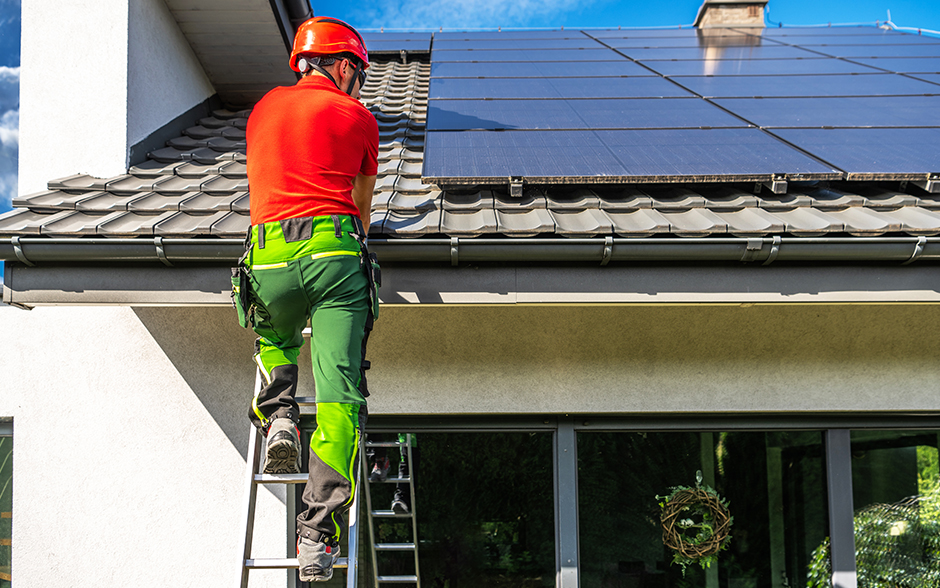
Since solar power uses renewable energy from the sun, it can also help reduce your household’s carbon footprint by decreasing the amount of electricity drawn from power grids that may rely on fossil fuels. This can lead to lower greenhouse gas emissions and more sustainable energy consumption over time.
To switch to solar power, you can start with smaller upgrades like solar-powered outdoor lights or other energy-efficient home improvements. You can explore solar panel providers, hardware stores, and renewable energy suppliers for installation options, starter systems, and other solar-powered home solutions.
12. Natural Insulation
Proper insulation helps prevent energy loss and maintain a more comfortable indoor temperature throughout the year. Using sustainable insulation materials such as cellulose made from recycled paper, mineral wool, cork, or coconut-based fibers can also support more energy-efficient living by reducing the need for excessive cooling or heating.
For locally sourced options, you can explore suppliers that offer cellulose insulation and coconut fiber-based materials for walls, ceilings, and floors. These insulation solutions can help improve indoor comfort while lowering overall energy consumption over time.
Choosing Your Materials

Consider your goals and lifestyle when choosing your materials.
- Budget: Sustainable materials range in price, so set a budget to narrow your options.
- Source: Choose locally sourced materials to reduce transportation costs and emissions.
- Durability: Select materials that last, considering the location and intended use. For example, wood might not be ideal for bathrooms, while bamboo is perfect for living areas.
- Certifications: Look for certifications like GreenGuard (for low-emission building materials, moisture protection, mold prevention, and more) or EnergyStar (for energy efficiency) to ensure your materials are genuinely sustainable.
- Style: Choose materials that complement your home's aesthetic.
All Set for Your Eco-Friendly Home Renovations
Planning your renovation? Whether you choose flexible prepaid internet with easy top-ups or reliable home internet for consistent performance, having a dependable connection can make it easier to research sustainable materials, compare suppliers, coordinate with contractors, and manage renovation decisions throughout the project.
When you’re out canvassing materials, having a prepaid promo ready gives you the flexibility to stay connected while checking supplier details, maps, and prices on the go. Meanwhile, postpaid plans paired with the latest 5G devices give you reliable data connectivity while making it easier to capture photos and videos of finishes, layouts, and renovation ideas wherever you are.
Choosing sustainable materials is more than a design decision. It’s a step toward creating a home that’s more energy-efficient, durable, and environmentally responsible for years to come. By making thoughtful renovation choices, you can build a home that’s not only beautiful but also kinder to the planet.