In this article:
Scroll through your feed and you’ll probably spot a classmate posting their campus project on LinkedIn, an org-mate launching a passion project on Instagram, or someone showcasing artwork on TikTok. That’s personal branding in action, even if they don’t call it that yet.
Having a strong online presence matters more than ever. According to Canva, 94% of hiring managers say a candidate’s professional online profile plays a big role in their decisions.
The exciting part is that personal branding is for everyone, even students. Start building your online presence early to prepare for internships and grow your reputation. It’s a simple way to open doors to opportunities in design, marketing, tech, or creative fields.
What’s Personal Branding?
At its core, personal branding for students is the intentional effort to shape how others see you online. It’s about telling your story in a way that highlights your strengths, skills, and values.
Think of it as your digital identity: the mix of posts, projects, and conversations that paint a picture of who you are. The strongest personal brands are built on authenticity and uniqueness.
For students, this can look as simple as:
- Sharing photos from student activities or org events through social media
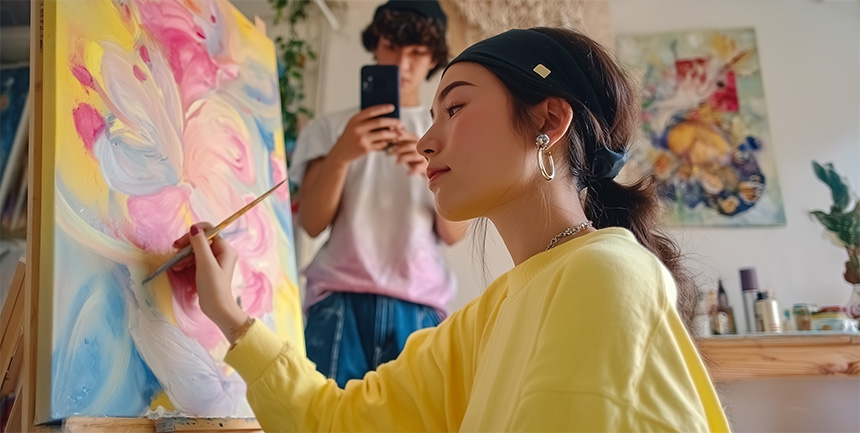
- Recording short videos of your artwork process and posting them on Instagram or TikTok
- Blogging or vlogging about your daily experiences during an internship
- Reposting and adding your thoughts on content that inspires you
These small steps show initiative and, over time, create a consistent, professional image.
Why Personal Branding Matters
Personal branding for students creates opportunities and supports growth. A clear online identity helps recruiters, professors, or potential collaborators quickly see your strengths. Highlighting your projects and passions online makes it easier for others to connect you with exclusive student programs, freelance gigs, or leadership roles.
It also builds trust and credibility. Consistent posting shows that you’re active in your field. Sharing your design work or posting reflections about school projects signals to hiring managers that you’re serious and motivated.
Starting early gives you a strong advantage. Building your online presence while still a student helps you stand out and be ready for future opportunities by the time you graduate. By showcasing work now, whether it’s a class presentation, fan art, or a coding project, you begin building proof of your skills and a reputation that sets you apart.
Steps to Build Your Personal Brand

Personal branding for students starts small but grows with consistency. Every post, project, or story you share online shapes how people see you. Here are practical steps, with some pro tips on using fresh strategies to stand out.
Define your unique value proposition.
Think about your strengths, skills, and passions. What sets you apart from classmates or colleagues? This is also where your values matter. Aligning with causes like sustainability, inclusivity, or community service can make your brand feel authentic and credible.
Even simple posts about joining a campus clean-up or leading a group project show what you care about and attract people who share the same values. Over time, these signals create a stronger impression than just listing skills on a resumé.
Build a compelling online presence.
Your profiles on LinkedIn, Instagram, or even TikTok are like your digital resumé. Keep them polished, consistent, and true to who you are.
Pro Tip: Free and affordable tools like Canva, ChatGPT, Buffer, and Later can help you design graphics, draft posts, and schedule content. These save time while letting you focus on creativity.
If you’re working on content while on the go, Go+99 with AI gives you 20GB total data and access to Canva’s AI tool through GoLEARN or a GoSHARE GoBOOSTER, making it easier to create and publish consistently.
Design a resumé-inspired post with Canva or plan your weekly LinkedIn updates using Buffer. Sharing student activities, org projects, or artwork on these platforms shows you’re active and engaged, which recruiters notice. Use social media algorithms to your advantage. The more intentional you are, the stronger your online image becomes.
Engage with your audience and network.
Building your personal brand works best when you interact, not just post. Comment on peers’ updates, reply to feedback, and share stories that show the human side of your journey. This is where emotional branding comes in. Beyond your skills, think about how you want people to feel when they see your posts: inspired, motivated, or connected.
Sharing volunteer experiences, group-work challenges, or internship lessons adds depth to your personal brand. The more you engage, the more visible and memorable you become in your community.
Be authentic and transparent.
Your story is your strongest asset. People connect more with real journeys than polished resumés. Share both wins and challenges, like balancing org deadlines with schoolwork or learning from a failed project. These stories highlight resilience and make your brand memorable.
Purpose-driven storytelling turns everyday experiences into content that resonates. The more genuine you are, the more trust you build with your audience, which often leads to more meaningful opportunities.
Monitor and adjust regularly.
Google yourself every now and then to see how you appear online. Check which of your posts gets the most engagement and think about what that says about your brand. Also, pay attention to market changes, such as rising demand for new skills or shifts in preferred platforms.
Students today are also experimenting with podcasts, voice notes, and voice search to make their brands more accessible. Trying short audio reflections or mini podcasts can make your brand feel more personal and show employers you’re adaptable. Staying open to change ensures your personal brand stays relevant and impactful.
How Personal Branding for Students Lands Internships and Career Opportunities

A strong personal brand does more than look good online; it opens doors. Recruiters and hiring managers often scout LinkedIn and other platforms for candidates who already demonstrate initiative and professionalism.
Networking is equally powerful. By actively posting and engaging, you can connect with mentors, peers, and even future employers. That “Like” or thoughtful comment you leave on someone’s post might be the start of a valuable connection.
Globe’s Student Roamer Program is a great example of how branding connects to opportunities. It provides students with real-world experience that helps shape their professional image and demonstrates how early online efforts can lead to career growth.
When you’re ready to take it further, Globe’s internship programs open even more doors. The Summer Internship Program and Post-Graduate Internship Program offer hands-on projects you can proudly showcase online, fueling your personal brand while giving you valuable work experience.
Build Your Brand, Build Your Future
At the heart of it, personal branding for students is not about likes or followers. It’s about authenticity, consistency, and growth. It’s showing the world who you are and what you care about.
As a student, you have the perfect chance to start now. Whether it’s sharing your next campus project, posting reflections on an internship, or curating your online profiles, every step builds credibility.
Your digital presence also grows stronger when you stay connected and active online. Reliable services like Globe’s Prepaid promos and GFiber Prepaid help you share content, join conversations, and keep your network engaged wherever you are.
So start sharing your story today! Every post, project, and connection brings you closer to the future you’re building.