In this article:
- What’s a Solo Parent ID?
- Who Qualifies for a Solo Parent ID in the Philippines?
- Requirements for Solo Parent ID Application
- How to Apply for a Solo Parent ID
- What are the Benefits of Having a Solo Parent ID?
- Tips for Maintaining and Updating Your Solo Parent Status
- Empowering Your Single Parenthood with the Right Support
What’s a Solo Parent ID?
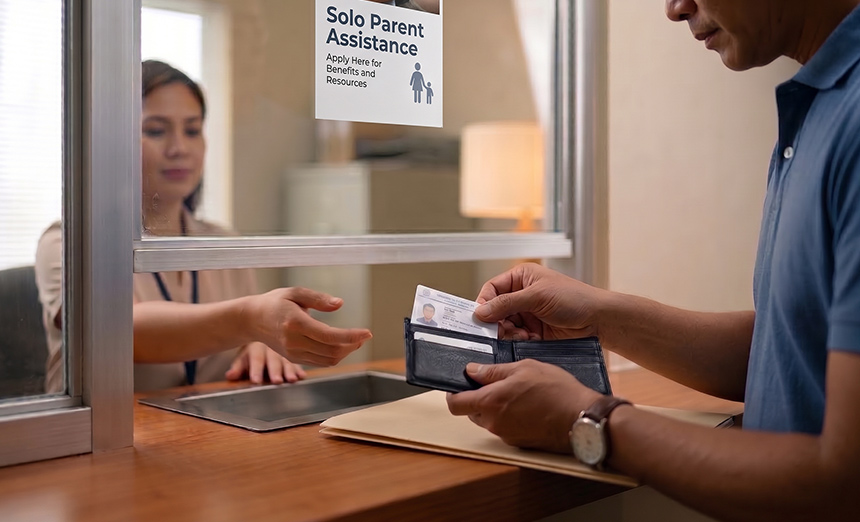
A Solo Parent ID, known as the Solo Parent Identification Card (SPIC), is a legal identity document issued by your Local Government Unit (LGU). It serves as official proof of your single-parent status under Republic Act No. 11861.
With this card, you can access government-mandated benefits, including leave credits, financial assistance, and discounts on everyday essentials. You also receive an official Solo Parent Booklet containing relevant information about your benefits. The SPIC is recognized as a government-issued ID, making it useful for transactions with government agencies and private institutions.
Who Qualifies for a Solo Parent ID in the Philippines?
Any Filipino citizen who’s considered a solo parent, provides parental and financial support, and lives with their child can apply for a Solo Parent ID. To qualify, the son or daughter must be unmarried, unemployed, and 22 years old or younger, or enrolled in school if of school age.

You just need to know which category you’re in based on your household situation.
Unmarried Parents Raising a Child
Single mothers or fathers, including women who got pregnant due to bodily abuse, need the child’s birth certificate and Certificate of Non-Marriage (CENOMAR) in addition to the general application requirements.
Pregnant Women Without a Partner’s Support
Those expecting a child while providing sole parental care should prepare a medical certificate confirming pregnancy and an affidavit of sole parental care.
Widowed Parents
After losing a spouse, a surviving parent who continues to provide care and support for their children can submit a death certificate and the child’s birth certificate to document their family situation.
Spouses of Detained, Incapacitated, or Overseas Filipino Workers (OFW)
Applicants with a detained partner can provide a detention certificate, while those with an incapacitated spouse can submit a medical certificate. For those whose partners are qualifying OFWs, an employment certificate or other proof of overseas employment can document their partner’s work status.
Separated or Annulled Parents
Those living apart from their spouse can provide documents that establish their specific marital status, such as a court order or annulment decree.
Legal Guardians, Adoptive Parents, and Foster Parents
People caring for a child through guardianship, adoption, or foster care should prepare the legal guardianship order, adoption papers, or foster care documents that confirm their caregiving arrangement.
Family Members Caring for a Child
Relatives within the fourth civil degree of consanguinity or affinity, such as grandparents or aunts, can submit proof of their relationship with the child. Your documents need to show the parent’s death, disappearance, or absence for at least six months.
Requirements for Solo Parent ID Application
Once you know whether you’re eligible for an SPIC, early preparation can help make the application process smoother. You can gather these documents in advance, but requirements depend on your circumstances and your local government, so it’s best to check before proceeding with your application.
- Application Form: Complete the form provided by your local social welfare office or, if available, through your city’s online portal.
- Barangay Certificate: Secure a certificate confirming that you've lived in your barangay for at least six months.
- Proof of Income: Prepare an Income Tax Return (ITR), Affidavit of No Employment, Social Case Study, or Certificate of Indigency based on your financial status.
- Child’s Birth Certificate: Provide an authenticated PSA birth certificate for each dependent aged 22 or below. You can also request the document online through GCash GLife for added convenience.
- ID Photos: Bring the required 1x1 or 2x2 photos, depending on your city hall’s specifications.
- Category-Specific Proof of Status: Include documents that support your solo parent circumstances.
How to Apply for a Solo Parent ID
Once your documents are ready, you can apply for a Solo Parent ID through your local government options.

Via Local Social Welfare Office
Most Local Government Units (LGUs) still process Solo Parent ID applications through a face-to-face visit at the City or Municipal Social Welfare and Development Office (C/MSWDO). Staff will check your documents and guide you through a brief interview as part of the application process.
- Bring the required documents and visit your local C/MSWDO.
- Inform the staff that you’re applying for a Solo Parent ID and follow their registration instructions.
- Submit your documents to a social worker for verification and recording in the Solo Parent Registry.
- Complete the interview and assessment.
- If approved, wait up to 30 days for your Solo Parent ID, then follow your LGU’s instructions to claim it.
Via Online City Portals
Some cities let solo parents start their application online through their online platform. In Quezon City, applicants can register through QC E-Services, upload the required documents, and schedule an appointment for an in-person assessment.
- Register on your city’s e-services portal. For Quezon City, sign up through QC E-Services using a valid email address.
- Fill out the online form and upload your documents.
- Wait for the social welfare department to review your application and send any remarks or requests for additional documents.
- Book your assessment appointment once your application clears the initial review.
- Attend your interview at the local welfare office and bring your appointment reference number.
- Claim your printed ID once your city notifies you for pickup or delivery.
Note: Online application procedures and availability may vary by city or municipality. Check your LGU's official website or contact its City or Municipal Social Welfare and Development Office to confirm whether online registration is available.
What are the Benefits of Having a Solo Parent ID?
An active Solo Parent ID can make it easier to access financial assistance, workplace benefits, and other support for you and your child. The benefits available also depend on your SPIC and the programs your LGU offers.
Financial Subsidies and Daily Savings
According to the Expanded Solo Welfare Act, minimum-wage earners can receive a ₱1,000 monthly cash subsidy from their LGU, while solo parents earning less than ₱250,000 annually can get a 10% discount and VAT exemption on their child’s milk, food, diapers, and medicines until the child turns six.
Employment and Workplace Perks
Solo parents can get paid parental leave after six months of service, flexible work hours, protection from workplace discrimination, and access to child-minding and breastfeeding facilities where available. This can make work feel more manageable when your employer provides support that fits your needs as a parent.
Healthcare, Education, and Housing
You can use your SPIC to support you and your child’s health, education, and housing needs. For healthcare, present your SPIC to PhilHealth when updating your membership and getting tagged as a solo parent. You can also use it as proof of status when applying for government scholarships for your one child or government housing assistance.
For additional assistance, you can explore free skills training through TESDA’s online courses, check CHED scholarship applications, or use a Pag-IBIG home loan calculator when planning for permanent housing.
Tips for Maintaining and Updating Your Solo Parent Status
Knowing the benefits you deserve can help you make the most of the support available. Simple, mindful habits can also help you stay prepared for your family’s needs.

Renewing Annually
Mark your ID’s expiration date on your calendar, so you have time to prepare for renewal. Your ID and purchase booklet are valid for one year, and you’ll need an updated Barangay Certificate, proof of income, and an affidavit when you renew at your C/MSWDO.
Reporting Eligibility Changes
Your family situation can change over time, so keep your local office informed when it affects your solo parent status. Let them know if you get married, start living with a partner, or if your child turns 23 or becomes gainfully employed.
Replacing Lost or Damaged Cards
Keep your Solo Parent ID details accessible in case you need a replacement, such as by storing them in a waterproof container or taking a photo. Your local Solo Parent Office can process a new card when you submit an Affidavit of Loss and a fresh Barangay Certificate.
Empowering Your Single Parenthood with the Right Support
Knowing what your Solo Parent ID covers can help you make the most of the benefits you deserve. From financial assistance to workplace and family support, these privileges can help make some everyday responsibilities more manageable.
A stable home connection can also support your application and online activities. GFiber Postpaid suits regular home use, especially when you constantly need to check your application status or upload large documents. Another option is GFiber Prepaid, which gives you the flexibility to top up when doing weekday errands, like your kid’s online classes or quick online payments.
With the right preparation and resources, you can spend more time supporting your child and building a stable future together.