In this article:
Travel feels a lot smoother when you know what to prepare before reaching the airport, from your itinerary and packed bags to all the required documents for your trip.
Still, even the most prepared traveler can miss one small but essential detail: the fees you need to settle before you fly.
Understanding the terminal fee and travel tax ahead of time lets you plan your budget better and move through check-in more efficiently. Here’s what to know, so you can check in, pay up, and take off stress-free.
What are Terminal Fees and Travel Taxes?

Terminal fees and travel taxes are mandatory charges for passengers departing from the Philippines. "Terminal fees," which are also called Passenger Service Charges or PSC, cover airport operations and amenities. On the other hand, travel taxes are collected to fund tourism and infrastructure programs.
These two charges serve different purposes for departing passengers. Here’s how they differ.
- Terminal Fee: A fee collected by the airport authority like the Manila International Airport Authority (MIAA) for NAIA. It contributes to maintaining essential operations such as air conditioning, security, and the baggage conveyor systems.
- Travel Tax: A government levy collected by the Tourism Infrastructure and Enterprise Zone Authority (TIEZA) from Philippine citizens, permanent residents, and non-immigrant aliens who’ve stayed in the country for over a year
Where Terminal Fees Apply (and How Much)
Some airports include the terminal fee in the ticket price, while others collect it at the airport. It all depends on where you’re flying out of. Here’s a quick guide.
- Ninoy Aquino International Airport (NAIA): The terminal fee for NAIA is included in ticket prices for both domestic and international tickets. It costs ₱950 for international and ₱350 for local flights. You’ll see the payment listed under the “Taxes and Fees” section of your itinerary.
- Mactan-Cebu International Airport (MCIA): Like NAIA, MCIA includes the terminal fee in your airline ticket, so no additional payment is required at the airport. The terminal fee for international flights is ₱850, while the charges for domestic flights range from ₱200 to ₱350.
- Clark International Airport (CRK): Terminal fees are not yet integrated into airline tickets, so passengers must pay them separately at the airport. The current rates are ₱600 for international flights and ₱150 for domestic flights.
- Puerto Princesa International Airport (PPS): In its Memorandum Circular 019-2025, which covers all airports operated by the Civil Aviation Authority of the Philippines (CAAP), including PPS, international terminal fee is now ₱900. The domestic terminal fee rates vary depending on the airport: ₱350 for departures from international airports, ₱300 for principal class 1 airports, ₱200 for principal class 2 airports, and ₱100 for community airports.
Always check your ticket or confirm with your airline to see if the terminal fee is already included. Since rates may change, make sure to also review the latest fees before you fly.
How Much is Travel Tax in the Philippines? (International Departures Only)
The travel tax applies only to passengers leaving the Philippines for international destinations. Here’s how travel tax rates differ across passenger categories.
- Full Travel Tax (Standard Adult):
- First Class Passage: ₱2,700
- Economy Class Passage: ₱1,620
- Standard Reduced Travel Tax (Minors):
- First Class Passage: ₱1,350
- Economy Class Passage: ₱810
- Privileged Reduced Travel Tax (OFW Dependents):
- First Class Passage: ₱400
- Economy Class Passage: ₱300
Who Needs to Pay Travel Tax (and Who’s Exempt)
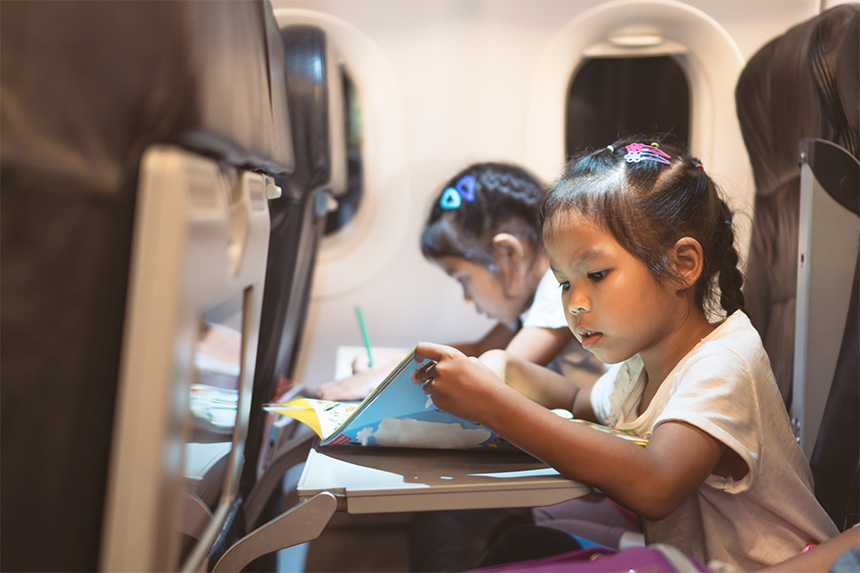
Filipino citizens, permanent residents, and non-immigrant aliens who’ve stayed in the Philippines for over one year must pay the travel tax when flying internationally, but some travelers may qualify for exemptions or reduced rates.
Who’s Exempt from the Travel Tax
Certain travelers are exempt from paying the Philippine travel tax based on their status, age, or purpose of travel. Below are the groups currently exempt from the travel tax.
- Overseas Filipino Workers (OFWs): Fully exempt from both the travel tax and terminal fee when traveling to their work sites abroad
- Infants and Minors:
- Infants under two years old are fully exempt.
- Children aged two years and one day up to 12 years old qualify for the Standard Reduced Travel Tax rate.
- Balikbayans:
- Category A (Returning Filipinos): Exempt if they’ve been abroad for at least one continuous year and are leaving again within one year from their last arrival
- Category B (Former Filipinos): Natural-born Filipinos who are now naturalized in another country, plus their families, are exempt if staying in the Philippines for less than one year.
- Diplomatic Personnel and Select Government Officials: Foreign diplomatic and consular officials, their staff, and their immediate families are exempt based on international agreements like the Vienna Convention.
How to Claim Your Exemption or Discount
If you fall under one of the categories for travel tax exemptions, prepare the required documents before heading to the check-in counter.
- OFWs: Present your original Overseas Employment Certificate (OEC) or Balik-Manggagawa Form as proof of exemption for both travel tax and terminal fee.
- Minors or OFW Dependents: Bring authenticated birth or marriage certificates, along with the OFW’s OEC, to secure the reduced rate or exemption at the TIEZA counter before check-in.
- Other Exempt Passengers: Apply for a Travel Tax Exemption Certificate (TEC) through TIEZA online or at airport counters. Diplomatic personnel must present certification from the DFA Office of Protocol or their respective embassy or consulate.
Where and How to Pay Your Travel Tax
You have several options to settle your travel tax before your departure. Here are the official payment channels.
- Online Travel Tax Services System (OTTSS): You can pay your travel tax through TIEZA’s OTTSS. This is the fastest option and lets you pay using credit or debit cards, online banking, or e-wallets like GCash.
- eGov PH Super App: You can also pay your travel tax directly inside the eGov PH Super App. Simply log in, look for “Travel” and choose “TIEZA Travel Tax.” Complete the form and pay using your preferred payment method.
- TIEZA Airport Counter: If you prefer paying onsite, you can still settle the travel tax at any TIEZA airport counter. Just keep in mind that lines can get long, especially during peak travel months, so it’s best to arrive early.
Remember to save or print your receipt and present it at the airport if required.
How to Prepare Before Flying
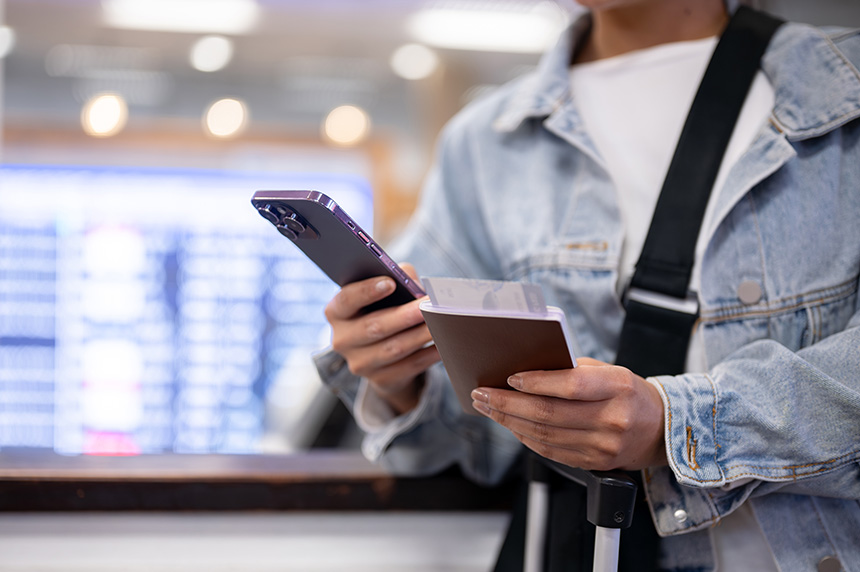
Now that you know what to expect at the airport, you can plan and stay organized with these simple tips.
Check your ticket inclusions.
Before your flight, check the fare breakdown on your itinerary or e-ticket. Look for specific codes or fees to confirm if the terminal fee and travel tax have already been paid.
Bring valid IDs and documents for exemption.
For OFWs, Balikbayans, students, or minors who may qualify for exemption or reduced tax, bring your ID and necessary documents to present at TIEZA or check-in counters. Plus, if you’re traveling abroad, make sure to register on eTravel ahead of time for a smoother check-in and arrival experience.
Arrive early and prepare for inspections.
Give yourself extra time at the airport, especially during peak travel seasons. Arriving at least three hours before your flight lets you handle document checks, payments, and security inspections calmly.
Pack your tech essentials.
Make sure your devices, chargers, and connectivity tools are ready before you leave. You can also check out this guide to tech essentials for traveling abroad to help you prepare. This helps you stay connected and manage updates, payments, and plans as soon as you arrive.
Keep Your Trip Smooth and Plan Beyond the Itinerary
Travel feels lighter when you know everything’s set before you reach the airport. Keeping track of your terminal fees, travel tax, and exemption requirements helps you skip delays and move confidently through every checkpoint.
Once the details are taken care of, staying connected makes the rest of the journey easier. Pre-purchasing your roaming promo lets you manage updates, payments, and plans as soon as you land. You can also manage your account through the GlobeOne app wherever your trip takes you.
With everything in place, you can start your trip relaxed, prepared, and ready for what’s ahead. Safe travels!