In this article:
Are you leaving the country soon? Plan for your health and safety during your overseas trip by learning about the whats, whys, and hows of international travel vaccinations.
Why are Vaccines Important for International Travel?
Travel vaccinations serve as a preventive measure. They allow you to immerse yourself in local culture and explore to your heart’s content without the potential health risks.
Think of travel vaccinations as your insurance policy when you’re in a new place. After all, not every location has the same bugs, viruses, or strains. What you may be resilient to in the Philippines might harm you elsewhere.
Essential Travel Vaccinations for Filipinos
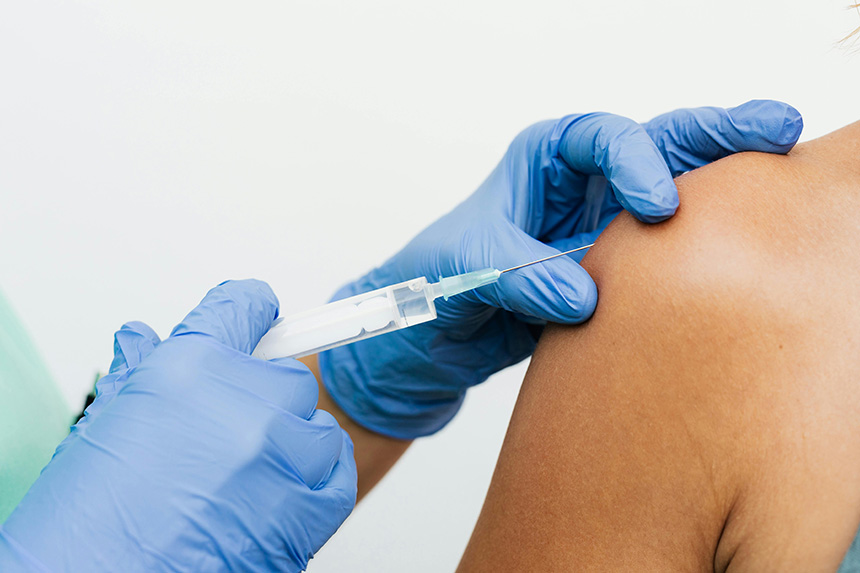
When identifying which immunizations to get, consider both your medical history and the destinations on your itinerary. Before any overseas travel, it’s also wise to consult your doctor to learn about their recommendations and ask if you need to update with boosters.
Routine Vaccines Recommended Before International Travel
You may have already received some of the vaccinations below, but it won’t hurt to do a recheck. You can never be too careful when it comes to safety.
- Hepatitis B vaccine: You can get hepatitis B from fluid exchange and exposure. Make sure to get this vaccine if you plan a long stay or will have close contact with local populations.
- Measles, Mumps, Rubella (MMR) vaccine: A common vaccine for kids, your MMR vaccine should be updated when traveling to places like certain parts of Africa and Southeast Asia, where these diseases are common.
- Tetanus-Diphtheria-Pertussis (Tdap): If it’s been more than 10 years since your last tetanus vaccine, get a booster, as cuts or large scrapes can lead to infection otherwise. Getting the combined shot that offers defense against whooping cough (pertussis) and diphtheria protects you further.
- Flu, Pneumonia, and COVID vaccines: While not essential, armoring up against these respiratory infections can help you feel more confident.
Travel Vaccines and Disease Prevention
Depending on where you plan to go, other travel immunizations may be necessary.
Cholera prevention can come in the form of vaccines taken orally at least 10 days before travel. Take them if you’re heading for areas prone to cholera outbreaks, especially if you’re volunteering for aid or disaster relief, say experts at the US Centers for Disease Control and Prevention (CDC). While mostly eliminated around the world by good sewage and water treatment, this bacterial disease remains endemic in parts of Africa, Asia, and Haiti.
You can also avoid getting cholera by only consuming water from trusted sources.
The dengue vaccine Dengvaxia is effective for patients aged six to 45, according to the European Medicines Agency. You may want to get this when traveling locally and internationally, given how common dengue can be in the Philippines, especially during the rainy season.
Engage in dengue fever prevention by choosing the right clothes, using insect repellents, and avoiding mosquito-prone areas, especially at sunrise and sunset when they’re most active.
- Hepatitis A vaccines are delivered in two doses at least six months apart and recommended for those traveling to rural areas or places with poor sanitation. Immunize.org lists the following as common destinations prone to hepatitis A: Latin America, Africa, the Middle East, Asia, the Caribbean, and the Western Pacific (Oceania).
- Japanese encephalitis (JE) vaccines may only be needed if you’re planning to stay in an area where JE is endemic for an extended period (around a month or more). JE occurs in parts of Asia and the western Pacific.
- Malaria prevention is all about repelling mosquitoes, so pack some long-sleeved shirts, long trousers, and mosquito repellent. You can also try the RTS, S malaria vaccine, the first and only vaccine approved for malaria prevention. But it’s primarily for kids and doesn’t cover all strains of the disease.
- Polio vaccines are only advisable for travelers to areas where poliomyelitis occurs, as they’ve been eliminated from most of the world. Polio vaccines are usually given in childhood, but adults can receive three doses over a seven-to-14-month period. The Polio Global Eradication Initiative (PGEI) identifies outbreak countries in Africa, the Eastern Mediterranean, Europe, and the Western Pacific. The Philippines also remains at risk for polio.
- Rabies vaccines are typically taken post-exposure. But you can have pre-exposure prophylaxis (PrEP) if you’re planning close contact with animals in areas with high rabies rates.
- The Bacille Calmette-Guérin (BCG) tuberculosis vaccine is only given once, and commonly only to some babies, children, or travelers identified as particularly at-risk from TB.
- The typhoid vaccine should be taken in a single dose at least two weeks before travel, according to the CDC’s vaccine and immunization sheet for the disease.
Yellow fever vaccine has a single dose and is good for a lifetime. The CDC recommends it for those traveling or living in areas at risk from yellow fever virus, especially in Africa and South America.
As with malaria and dengue, yellow fever prevention measures focus on avoiding and repelling mosquitoes while traveling.
No matter where your international travel destination may be, do your research about the diseases and other health risks common to the area. For example, places with warm, humid weather are especially prone to mosquitoes and the diseases they carry.
When in doubt, consult a medical professional about the required or recommended travel vaccinations, and get medical certificates for any doses you get. Apps like KonsultaMD can speed up the process, providing the personalized information you need without needing to go to a doctor’s office.
When and How to Get Vaccines for International Travel

Travel immunizations often require months of advance planning, so it’s important to understand both the timing of your vaccines and where to get them before your trip.
Scheduling Your Vaccines for Travel
Work out a schedule for any travel vaccinations needed with your personal doctor. Note that some vaccinations are given once and last a lifetime, while others may require two, three, or more doses and have an effectivity period of just a few months or years.
You should also factor in a recovery period, as many vaccines have side effects like:
- Pain or swelling at the injection site
- Mild fever
- Headaches and fatigue
- Nausea, stomachaches, vomiting, or diarrhea
Where to Get Vaccinated
Getting vaccinated can be as simple as scheduling an appointment with your personal physician or any government or private health center for a tetanus shot or having to go to the Bureau of Quarantine for the yellow fever vaccine. Some options include home service vaccination as well.
Consult your doctor about your immunizations to ensure you don’t get any unnecessary ones or miss out on crucial vaccines. You can also ask your travel agent or check for updates and travel advisories by the Department of Foreign Affairs (DFA).
Other Medications and Preventive Measures for International Travel
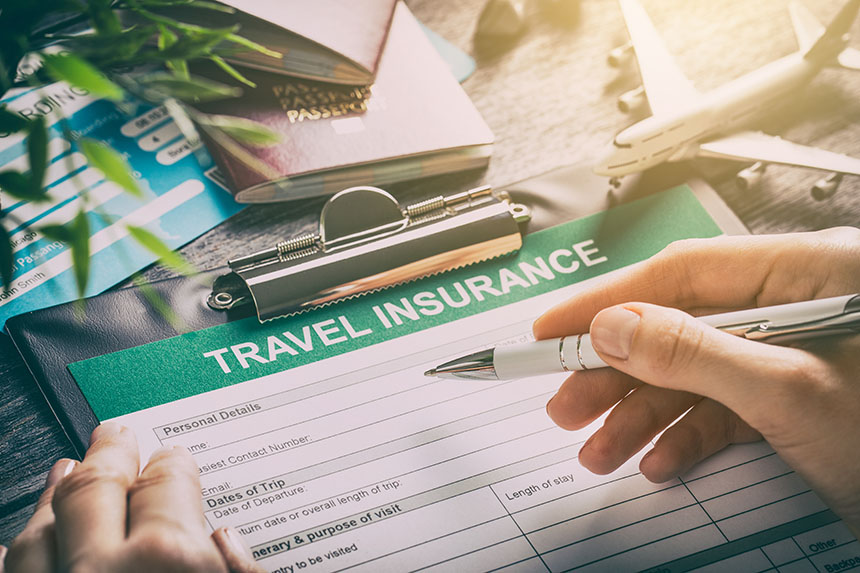
Apart from seeing to vaccinations, check out these steps for keeping yourself safe and healthy while on an overseas trip.
Travel Insurance with Medical Coverage
Of course, you hope you won’t need medical assistance while traveling. But you should also prepare for the unexpected. Investing in travel insurance usually doesn’t cost too much, but it depends on your destination and how long you’ll be traveling.
The important thing to remember is that insurance can help you manage overseas medical expenses if you get sick or injured while traveling. Otherwise, this can result in extremely high medical bills. Ask your travel agent about your options or check out GInsure’s Travel Insurance offerings in GCash. Some postpaid roaming plans also come with travel insurance benefits you can review before your trip.
Medical Kit for Travelers
Pack an emergency medical kit with basics like paracetamol and ibuprofen in case of headaches and fevers, anti-allergy medication, antibacterial wipes or creams, and bandages. This will reduce medical costs for minor ailments and injuries. Keep any pills in their original packaging with their names displayed.
If you have maintenance medication, pack more than you need for the days you travel in case of travel delays. Also, bring prescriptions from your doctor indicating your need for any specialized medication. Remember that medication available over the counter here may not be as readily available in other countries.
Emergency Services and Connectivity
Check out the emergency services available abroad. For example, when traveling to the US, the emergency number to know is 9-1-1, but it’s 9-9-9 in the United Kingdom and 1-1-2 in the European Union. Also, make sure you stay connected with roaming promos, so you can quickly call for help when you need to.
Common Travel Illnesses
Travelers often suffer from the following—the good news is, there are several easy remedies for them.
- Traveler’s diarrhea often resolves itself on its own in a matter of days. An oral rehydration solution (ORS) can speed up your recovery time. Avoid diarrhea as best you can by consuming food and drinks prepared in hygienic environments.
- Motion sickness medications can help with nausea when traveling, but often leave you feeling groggy. If you only experience mild motion sickness, try packing ginger chews or ginger-flavored hard candy instead. Some types of essential oil, like peppermint or lemon, may also work as aromatherapy for nausea.
- Jet lag treatment is all about behavior. To cure jet lag quickly, work on adapting to the schedule of your new location. Drink caffeine during daytime hours, expose yourself to daylight, and try your best to sleep at night, even if it means staying up late when you first arrive.
- Altitude sickness can occur when you visit high-altitude locations, especially if climbing up mountains and the like. If you have high blood pressure or breathing issues like asthma, you should consult a doctor about medication for this.
- Heat stroke or heat exhaustion can hit you without you realizing it. Keeping ice packs and hydration solutions or powders in your emergency medical kit would be a good idea. Otherwise, if you show symptoms of these, immediately work to cool yourself down and hydrate your body, monitor your heart rate and breathing, and seek help from a healthcare professional.
Considerations for Specific Conditions
If you’re traveling with kids or someone pregnant, elderly, or with a disability, ensure their health and safety by consulting a doctor about specific medical needs for their conditions. Mention these conditions when booking plane tickets, tours, and other activities.
Quick Health Reminders Before Your Trip
When it comes to health and safety for international travel, the best thing you can do is keep yourself informed. Before you go, consult with a healthcare professional through KonsultaMD for personalized advice. This helps ensure you have any essential medicines or prescriptions you might need.
When traveling, stay connected with postpaid roaming promos, so you can easily reach out to doctors online or access important health information if you feel unwell.
Now that you’re well-informed, you’re set for a happy and healthy trip!