In this article:
Gaming has come a long way from after-school matches with friends to global tournaments watched by millions. What started as a hobby has grown into a billion-peso industry. It’s filled with opportunities for players, creators, and innovators alike.
Whether you’re into esports, streaming, or game development, there’s a path waiting for you. So if you’ve ever wondered how to make gaming a career, now's the best time to explore your options and turn your passion into a profession.
Why Gaming Careers are Growing
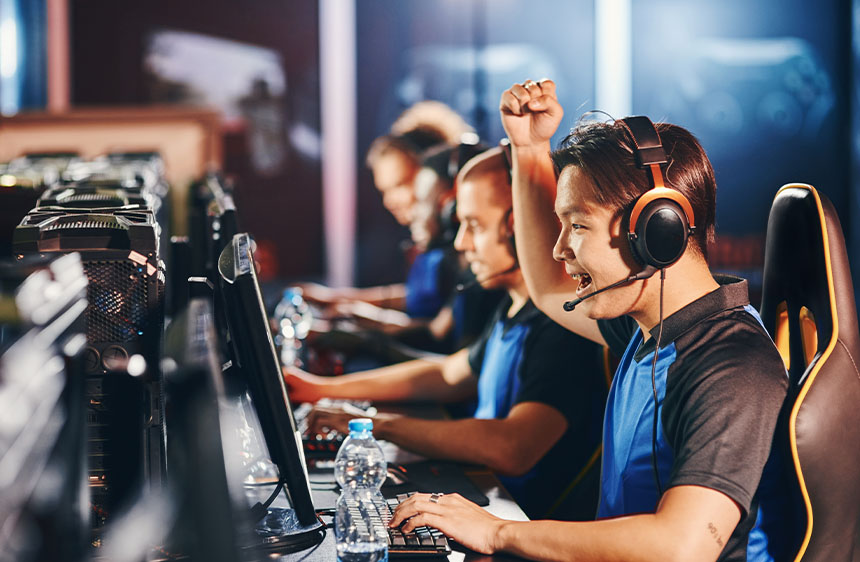
Affordable smartphones and wireless high-speed internet have made gaming accessible to almost everyone. You don’t need a high-end console to join in. Cloud gaming and mobile-friendly platforms now deliver quality experiences straight to your phone.
Streaming platforms like Twitch, TikTok, and YouTube Gaming have also opened new doors for creators to earn. This can be through ads, sponsorships, and community support.
As people’s interest grows, the local gaming market is expected to reach $2.6 billion by 2027. That growth means more jobs and careers for those interested in esports, game development, and streaming.
There has also been a cultural shift. Esports has become a recognized sport, with school leagues and national tournaments helping train young talent. Gaming’s inclusion in the SEA Games and Olympic Esports Games shows how respected it has become worldwide. Filipino figures like Blacklist International, Alodia Gosiengfiao, and ChooxTV prove that gaming can be both creative and sustainable.
As the gaming industry continues to expand, it’s creating a wide range of career paths for players, creators, and professionals who want to turn their passion into something more.
Pathways in the Gaming Industry

There are plenty of ways to build your gaming career. Here’s a look at where you can start.
Play and Compete: Esports
Love the thrill of competition? Esports is a good place to begin exploring the field. Here are your options.
- Pro Player: Compete in titles like Mobile Legends: Bang Bang or Valorant. Local leagues such as MPL Philippines can open doors to international tournaments.
- Coach or Analyst: Help teams train, refine their strategies, and review performances to stay at the top of their game.
- Shoutcaster or Host: Bring the excitement of esports to life by narrating matches, interviewing players, and engaging audiences during events.
Create and Stream: Content Creation
Sharing your gaming moments and connecting with audiences are great ways to break into content creation. Here’s where you can begin.
- Streamer or Content Creator: Build your community on Twitch, YouTube, or Facebook Gaming. Creators like Razzie Binx and Dexie Dias prove that personality and authenticity can turn streaming into a full-time career.
- Video Editor: Edit highlights, tutorials, or reviews to help creators grow their channels and reach new audiences.
Pro Tip: Use a fast, reliable internet connection to keep your gameplay and streams smooth and lag-free. The right plan also makes a difference. A postpaid plan gives you stronger speeds and bigger data for seamless gaming and streaming, while prepaid offers you the flexibility to choose promos and load only when needed.
Build and Design: Game Development
Ever played a game and thought, “I could make something like this?” If so, game development could be the right path for you. Here’s how you can get started.
- Game Designer: Craft the story, characters, and player experience. Designers shape how a game feels and flows from start to finish.
- Game Developer: Focus on coding and mechanics to bring a designer’s vision to life. Developers ensure every movement, sound, and feature works perfectly.
- Artist or Sound Designer: Design visuals, environments, and music that make each game world immersive.
Test and Improve: Quality Assurance (QA) and User Experience (UX)
Before a game reaches players, testers, and researchers make sure it’s fun, balanced, and bug-free. Here are your possible options in this field.
- QA Tester: Play through early builds to spot glitches and performance issues. Your feedback helps improve gameplay quality.
- UX Researcher or Gameplay Analyst: Study how players interact with games to make them more enjoyable and user-friendly.
Support and Manage: Community, Marketing, and Events
If you enjoy organizing events, building communities, or helping others connect, these roles might be a great fit.
- Community Manager: Build and engage player communities across social platforms, like Discord servers.
- Event Organizer: Coordinate tournaments, conventions, or live gaming events that bring fans and players together.
- Digital Marketer: Promote new releases, manage social media campaigns, and grow the brand’s online presence.
Each of these roles offers a unique way to grow in the gaming industry. Once you know your path, the next step is building the right skills.
Skills to Build Now

Every pro gamer, designer, or streamer started small and improved through consistent practice. Here are some essential skills to develop.
Game Sense and Strategy
It all begins with understanding the game itself. Game sense is about reading situations, predicting moves, and thinking a few steps ahead.
Esports players, for example, sharpen their strategy by reviewing their gameplay and scrims (practice matches against other teams). They analyze their rotations in Mobile Legends: Bang Bang, check positioning in Valorant, or refine team coordination in Dota 2.
On the other hand, developers and testers apply the same mindset when balancing game mechanics and fixing bugs. This could be adjusting weapon damage for fairer play or troubleshooting lag issues to ensure smoother performance.
Learning to analyze, adjust, and plan turns practice into progress.
Creativity and Storytelling
Creativity makes your work stand out. It’s how you turn simple gameplay into something players and viewers remember.
For example, streamers show creativity through storytelling. They use reactions, humor, or themed streams to keep audiences engaged. Meanwhile, game designers use it to build unique worlds and characters, from the intricate levels of Hollow Knight to the open landscapes of Genshin Impact.
Even QA testers and marketing teams rely on creative problem-solving to fix bugs or craft campaigns that capture attention.
Digital Tools and Tech Know-How
Ideas work best when paired with the right tools. Knowing your way around software and platforms gives you an edge in any role.
Streamers and content creators can start with OBS Studio or Streamlabs to manage live broadcasts. Developers can explore Unity or Unreal Engine to design and build games from scratch.
Meanwhile, community managers and testers rely on platforms such as Trello, Jira, and Discord to collaborate and stay organized. The key is to keep experimenting and learn by doing.
Beyond mastering these tools, setting up the right workspace can also boost your focus and performance. You can level up your setup with these tips.
Teamwork and Communication
Great games and teams are rarely a solo effort. Success comes from people working together with clear goals.
Esports players build coordination and trust through drills, practices, and shot calls. Blacklist International demonstrated this through their “UBE (Ultimate Bonding Experience)” strategy during the M3 World Championships.
Developers, on the other hand, thrive on collaboration between coders, artists, and testers. They review builds together, align on design goals, and fix bugs as a team to keep projects running smoothly.
No matter your role, soft skills like empathy, communication, and time management help teams stay aligned and perform at their best.
Portfolio and Personal Brand
Finally, every skill you build deserves to be seen. Your portfolio is your proof of growth, showing what you’ve done, learned, and created.
Collect your best highlights and upload them as Reels on Instagram or TikTok. Share your game builds on platforms like itch.io or post your test reports in gaming communities.
Getting feedback helps you improve and gain visibility. Creating a portfolio isn’t about perfection, but about showing your progress.
After building your core skills, it’s time to put your skills to the test.
Where to Learn and Gain Experience
The best way to grow in gaming? Jump in. Every stream, scrim, or small project teaches you something new.
Here are some of the best ways to learn and gain experience.
For Esports Players
Join leagues and tournaments to strengthen your discipline, teamwork, and strategy. Start with local scrims or campus matches, then move up to larger competitions as you gain experience.
Watch your replays to spot what works, improve your coordination, and plan better plays. Attending events like the MPL Seasons events can also help you meet coaches and teammates who share your passion.
Where to Learn:
- AcadArena
- Philippine Esports Organization (PESO)
- Barangay or campus leagues
For Streamers and Content Creators
Stream at least twice a week to build your rhythm and audience. Collaborate with other creators to reach new viewers and grow together.
You can also try doing tutorials, game reviews, or live gameplay to see what clicks with your followers.
Where to Learn:
For Game Developers and Designers
Work on small projects to strengthen your skills in coding, art, or storytelling. Join game jams like Ludum Dare to challenge yourself and test ideas under time pressure.
Collaborate with artists and programmers to learn teamwork, and share your games on itch.io or Steam Workshop to get feedback from real players. You can even explore scholarships to make learning more accessible.
Where to Learn:
- Globe Student Program
- CIIT
- iAcademy
- Game Developers Association of the Philippines (GDAP)
- Unity Learn
- Unreal Engine Academy
- GameDev.tv
For QA Testers, Community, and Marketing Roles
Start by joining gaming communities or small developer groups. Volunteer to test indie games and practice writing clear, structured bug reports.
You can also try managing Discord servers or fan pages to understand what keeps people engaged. Internships with esports or game studios give you real-world experience and help you build industry connections.
Where to Learn:
For Everyone
Stay curious, keep experimenting, and make the most of the free resources around you. Watch tutorials, join communities, and share your work to learn faster and gain visibility.
Where to Learn:
Learning becomes easier when you have reliable data to back you up. Go+ promos give you access to sites where you can stream lessons, join live sessions, or upload your work. If you need more, GoBOOSTER lets you extend or add data so you can keep practicing without interruption.
With the experience you’ve gained, you’re ready to take the next step and begin your journey in the gaming industry.
Level Up Your Future
Learning how to make gaming a career begins with one bold move. Join tournaments, create your own game, or start streaming to share your story with the world.
Every match played, every project built, and every stream started brings you closer to your dream. So, start today. Take yourself to the next level and turn your love for gaming into a living.