In this article:
- RAM (Random Access Memory): Multitasking Power
- Storage (ROM): Your Digital Warehouse
- Battery: Powering Your Day
- Operating System (OS): The Foundation of Your Experience
- Screen Size and Display Quality: Visual Immersion
- Camera: Capturing Your Moments
- Processor (CPU): The Engine of Your Phone
- Beyond the Specs: Other Important Considerations
- Making Your Decision: Phone Buying Guide
Does shopping for a new smartphone feel overwhelming? Seeing countless models, each boasting a confusing array of specs—RAM, processors, megapixels, and more—it's enough to make your head spin! This phone buying guide is your solution. It cuts through the jargon and explains why those specs matter. You'll learn how to match the smartphone’s key features to your needs, avoid overpaying, and choose a device that will last.
Discover the essential factors to consider when buying a new phone.
RAM (Random Access Memory): Multitasking Power

RAM stores data for currently running apps and processes, allowing quick switching between tasks and smooth background operation. Think of it as your phone's workspace—a larger workspace means it can handle more tasks simultaneously.
What to look for: For a smooth experience, aim for at least 8 GB of RAM on Android phones like the Samsung Galaxy A16 5G. 12 GB, offered by phones like the Samsung Galaxy S25 series, is becoming standard for many, with 16 GB+ in high-end models. iPhones, however, are more RAM-efficient due to iOS optimization, so 6 GB to 8 GB often suffices even for demanding tasks. Remember, cell phone RAM and ROM meanings differ: RAM is for active tasks, and ROM is for long-term storage.
Storage (ROM): Your Digital Warehouse
Storage (ROM, or Read-Only Memory) is where your phone permanently stores your photos, videos, music, apps, and the operating system. Unlike RAM, storage retains data even when the phone is powered off.
What to look for: Nowadays, 128 GB is the practical minimum storage you should look for, which you can find in many phones like the Huawei Nova 13i or iPhone 16. 256 GB is a comfortable standard for most users, allowing for plenty of photos, videos, and apps. 512 GB, 1 TB, and even 2 TB options are available for those who store large media libraries or play demanding mobile games. When making smartphone comparisons, pay close attention to storage.
Battery: Powering Your Day

You'll often see battery life expressed in milliampere-hours (mAh); a higher mAh rating generally suggests a longer-lasting battery.
What to look for: Screen size, processor efficiency, software optimization, and your usage habits all impact battery life. Aim for at least 4500mAh to 5000mAh for decent all-day battery life, found in phones like the OPPO Reno11 Pro 5G and vivo V40 5G. Also, check for fast charging (65W, 100W, or even higher), which allows you to recharge your phone quickly. The best phones for battery life combine large batteries with efficient hardware and software. Wireless charging and reverse wireless charging are also more common.
Operating System (OS): The Foundation of Your Experience
The operating system is the core software that runs your phone, managing its hardware and software resources. The dominant players are Android (Google) and iOS (Apple).
What to look for: Factor in your existing tech ecosystem. For example, if you own a Mac, an iPhone might integrate better. Research the manufacturer's software update commitment. Android updates vary widely by brand, so look for 5+ years of support, while iPhones generally receive 5 to 7 years of updates. Many Android brands customize their software with “skins” like Samsung’s One UI, which modify the user experience.
Screen Size and Display Quality: Visual Immersion
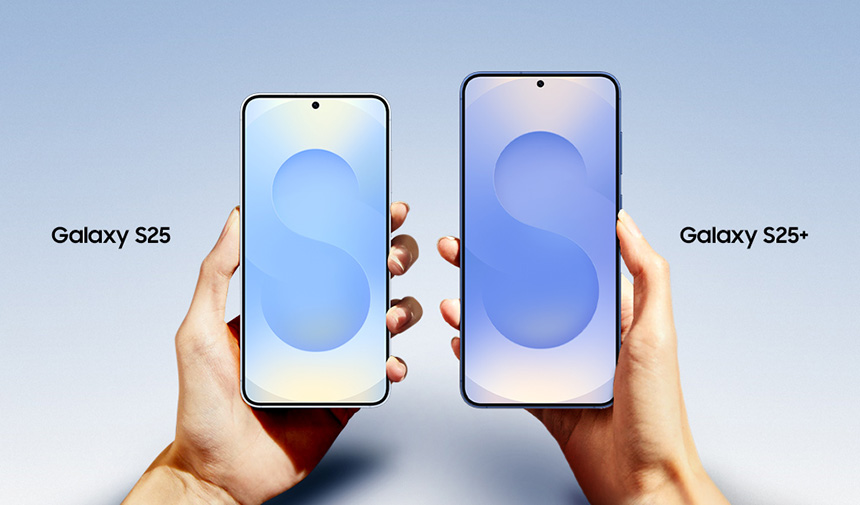
Image Credit: Samsung Philippines
Screen size is measured diagonally in inches. Choose a size that suits your preferences and usage. Smaller phones (around 6.1 inches and below) are easier to handle one-handed, while larger phones (6.5 inches and above), like the Samsung Galaxy S25+ 5G, offer a more immersive experience for gaming, video consumption, and web browsing. 7.0-inch screen cell phones are usually foldable.
What to look for: Beyond size, explore display technology.
- LCD and IPS LCD: Generally more affordable, but can have lower contrast and narrower viewing angles than OLED
- OLED and AMOLED: Deliver superior contrast, deeper blacks, more vibrant colors, and often better power efficiency
- Refresh Rate: Measured in Hertz (Hz), a higher refresh rate (90Hz, 120Hz, or higher) makes scrolling and animations smoother
- Foldable Displays: Allow a larger screen in a small form factor. Phones like the Samsung Galaxy Z Flip7 and Fold7 are examples of this technology.
Camera: Capturing Your Moments
Don't be fooled by megapixel counts; a 12MP camera with a better sensor, lens, and processing can outperform much higher MP cameras.
What to look for: A good camera depends on aperture (allows more light to enter and improves low-light performance), image stabilization (OIS is best for reducing blur), and the number of lenses (wide, ultrawide, and telephoto offer versatility). The best phones for photography, like the Huawei Pura 80 Ultra or the iPhone 17, excel in software processing (like Night Mode) and often have advanced features like computational photography (algorithms that improve images). For video, look at resolution (4K is standard), frame rate (60 fps is smoother), and stabilization.
Processor (CPU): The Engine of Your Phone
The processor (CPU or Central Processing Unit) handles all the instructions and calculations required to run apps, games, and the operating system. A faster processor translates to better performance, smoother multitasking, and a great gaming experience.
What to look for: Major processor players in the market include Qualcomm (Snapdragon), MediaTek (Dimensity and Helio), Apple (Bionic), and Samsung (Exynos). Generally, higher numbers within a series denote better performance (for example, Snapdragon 8 Gen 4 is more powerful than Snapdragon 8 Gen 3). The best phones for gaming, like the Infinix GT20 Pro 5G, typically have the latest and most powerful processors and the GPU (Graphics Processing Unit).
Beyond the Specs: Other Important Considerations

While specs are crucial, other factors also play a significant role. Keep these additional factors in mind.
Connectivity
- WiFi: Look for WiFi 6E or WiFi 7 support.
- Bluetooth: Bluetooth 5.3 or later is ideal.
- NFC: Necessary for contactless payments, quick pairing with accessories, and data sharing
- USB-C: Look for USB 3.2 or USB 4 for faster speeds.
- Dual SIM/eSIM: Allows you to use two phone numbers. Many newer devices utilize eSIMs (digital SIMs).
Audio
- Headphone Jack: A 3.5mm jack is important for users who prefer wired headphones.
- Speakers: Look for phones with stereo speakers for better sound quality.
- Audio Codecs: These affect the audio quality streamed over Bluetooth (look for aptX, LDAC support).
- Dolby Atmos/DTS: X support: Offers a more immersive experience
Price and Value
- Budget Phones (Under ₱15,000): These are entry-level devices, such as the Samsung Galaxy A06 or itel P55 5G, that offer basic functionality.
- Mid-Range Phones (₱15,000 - ₱45,000): These balance features, performance, and price, such as the OPPO Reno10 Pro+ 5G or Xiaomi Redmi Note 14 Pro+ 5G.
- Flagship Phones (₱45,000+): These are top-of-the-line devices with premium features, cutting-edge tech, and superior performance, like the iPhone 16 Pro Max or Samsung Galaxy S25 Ultra 5G.
- Value: Prioritize the specs and features you need, and don't overspend on things you won't use.
Design, Durability, and Security
- 5G: Offers significantly faster download and upload speeds
- Build Quality: Look at materials (glass, plastic, aluminum) and overall design.
- IP Rating: An IP67 or IP68 rating means good water and dust resistance.
- Screen Protection: Look for Gorilla Glass (or Ceramic Shield on iPhones) for scratch resistance.
- Biometrics: Fingerprint sensors and facial recognition offer secure unlocking.
Making Your Decision: Phone Buying Guide
Choosing a new smartphone is easier when you focus on the specs that truly matter. This phone buying guide helps you match key features—RAM, battery life, storage, display quality, and camera performance—to your needs. Look at the operating system, processor, and long-term software support to ensure your device stays fast and reliable.
Before making a purchase, compare models, check phone reviews, and prioritize the features that fit your lifestyle and budget. Ready to find the perfect smartphone? Explore the latest devices at the Globe Online Shop. Once you’ve found your match, you can pair it with a postpaid plan or prepaid promo to start streaming, gaming, and sharing right away.