In this article:
You only live once, so why not make choices that are good for both your lifestyle and your budget?
For many Filipino families, living sustainably can be as simple as unplugging appliances to save on electricity, bringing your own tumbler for daily baon coffee runs, or planning meals to avoid food waste. Saving money while helping the planet feels like the kind of budol worth giving in to!
With everyday expenses continuing to rise, eco-friendly habits can go a long way. Not only do they help make daily living a little lighter and more rewarding, but they’re easy to integrate, and you can see results right away.
1. Sorting Waste
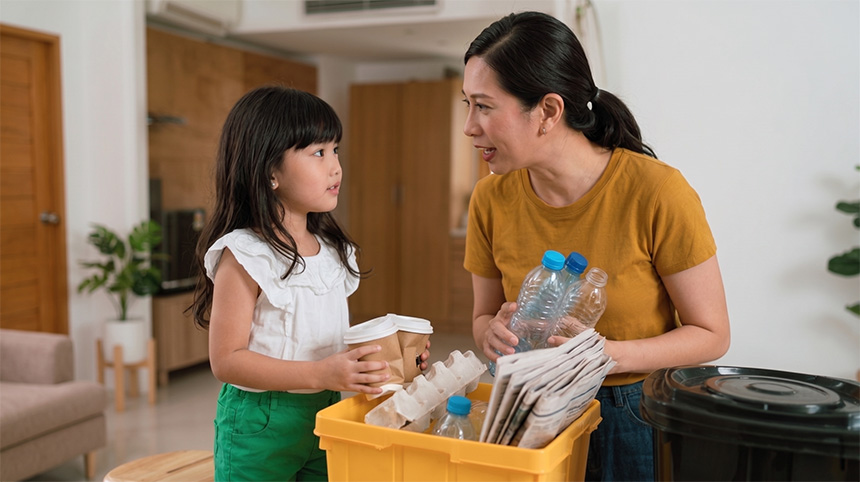
Proper waste segregation can do more than reduce clutter at home. Separating recyclables like plastic, paper, metal, glass, and electronic waste makes it easier to turn reusable materials into extra savings through your neighborhood junk shop.
You can also reuse containers and repurpose items around the house for storage, planters, or DIY projects, helping you avoid unnecessary purchases. For example, empty glass jars can be kitchen organizers instead of buying new containers. Supporting local recycling programs also makes it easier and more rewarding for the whole community to build sustainable habits.
2. Reducing Single-Use Waste
Bringing a reusable bag or food container during grocery runs or takeout orders lessens food waste and overspending. Many stores now charge around ₱2 to ₱5 for paper or plastic bags, so bringing your own can lead to small but steady savings with every trip.
You can also reduce packaging waste by choosing refill packs or buying products with minimal packaging whenever possible. For gifts, consider reusing paper bags, newspapers, or fabric wraps instead of using new wrapping materials each time.
3. Shopping Online
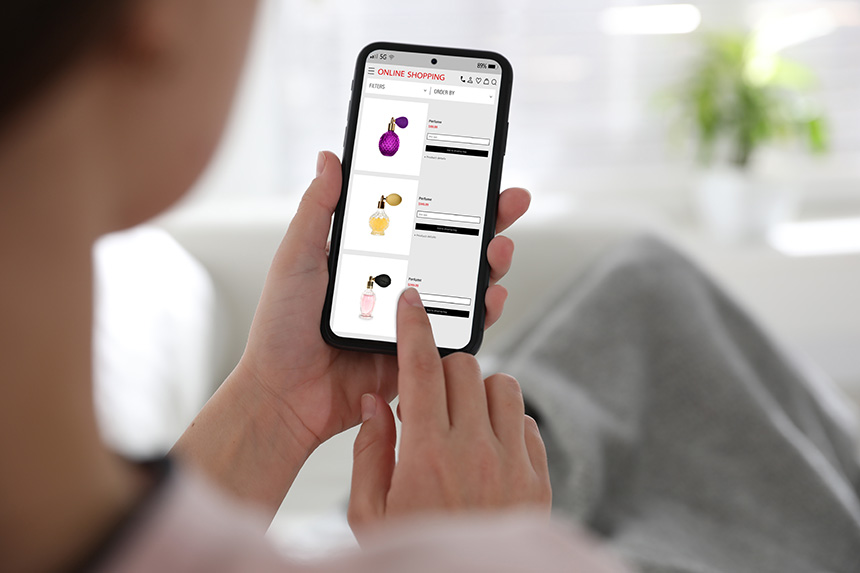
Shopping online through Lazada or Shopee can help you save time, fuel, and transportation costs while giving you access to more affordable and eco-friendly products. It also makes it easier to compare prices and stick to what you actually need before checking out.
If you frequently order items online, mobile data can help you stay connected and complete purchases even when you're away from home. You can go for prepaid data loaded on demand or rely on a monthly postpaid plan for a more consistent connection. Cashless payment options like GCash also make transactions faster and more convenient.
4. Practicing Conscious Consumerism

Making intentional buying decisions based on your needs, values, and budget is what conscious consumerism is all about. Durable home essentials, brands with responsible practices, and eco-conscious beauty products can help reduce waste and encourage smarter spending habits.
Thrifting is one of the easiest ways to shop more intentionally. Ukay-ukay stores offer clothes, bags, and even furniture at much lower prices while giving pre-loved items a second life. Shops like Carousell Philippines make it easier to find quality secondhand fashion and home items online, helping more people embrace practical, sustainable shopping.
5. Supporting Sustainable and Local Products
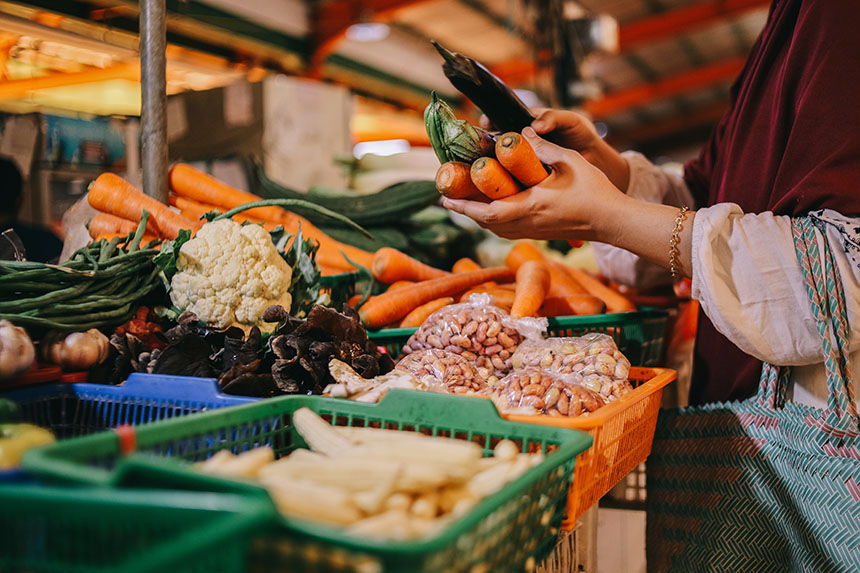
Agri-tech platforms that connect consumers directly with farmers and fisherfolk make it easier to support local food producers and reduce long-distance transportation of goods.
Many Filipino brands like Anthill Fabrics are also finding creative ways to give old materials a new life. They create clothing and accessories using handwoven local textiles, upcycled materials, and zero-waste design practices while promoting weaving communities across the country. These pieces combine style, craftsmanship, and sustainability in a more thoughtful way.
6. Conserving Energy and Water
Cutting back on electricity use can make monthly household expenses easier to manage. Replacing old bulbs with LED lights, unplugging chargers after use, and choosing energy-saving appliances are practical steps that help you reduce power consumption. Some homeowners are also exploring solar panels as a long-term option for cleaner and more cost-efficient energy at home.
Saving water can also be easy to practice at home. Repairing dripping faucets, limiting shower time, and shutting off the tap while brushing your teeth are small everyday actions that can gradually help reduce monthly utility costs.
7. Going Green During Daily Commute

Image Credit: Philippine Information Agency
If you live close enough to your destination, walking or biking can help reduce transportation costs while adding more movement to your day. For longer trips, sharing rides with coworkers or friends is another option that can help cut fuel costs and ease traffic congestion.
Electric and hybrid vehicles are also becoming more common as charging stations continue to expand across the Philippines. These alternatives help reduce fuel costs and lower emissions in the long run.
Using cashless payments for buses, trains, or ride-hailing services can also lessen paper waste from printed receipts and tickets. Some digital platforms even connect everyday transactions to tree-planting initiatives, such as GForest, which support local environmental efforts.
First Step to a Greener Tomorrow
Eco-friendly habits can help you save more while wasting less, especially as costs continue to rise. From reducing electricity use to making more mindful purchases, daily routines can have a long-lasting impact.
Digital tools can also support many of these habits. A flexible prepaid fiber plan lets you stay online when you need it, making it easier to research eco-friendly products, compare prices, and discover greener alternatives while staying in control of your spending. For households that rely on the internet every day, a stable fiber postpaid connection provides consistent access to online resources and paperless services that can help reduce waste and simplify daily living.
The choices you make today can add up to meaningful savings, reduced waste, and a more sustainable future—proving that even the smallest changes can create a lasting impact over time.