In this article:
- Getting Started with Your Freelancing Journey
- In-Demand Freelancing Skills in the Philippines
- Ready for Your Freelancing Journey?
You’ve probably seen it before. Someone typing away at a café, hopping between cities, or just working from home without the early alarm and long commute. And you’ve probably wondered: how do they do that? Chances are, they’re freelancing.
Freelancing involves offering your skills and services to clients on a project basis and is more flexible than the usual 9-to-5. More Filipinos are choosing this path for the freedom to manage their time, work from anywhere, and shape their own career journey. The best part? You can start too.
This guide breaks down how to start freelancing in the Philippines, from figuring out which skills to build, which platforms to use, and how much you can potentially earn.
Getting Started with Your Freelancing Journey
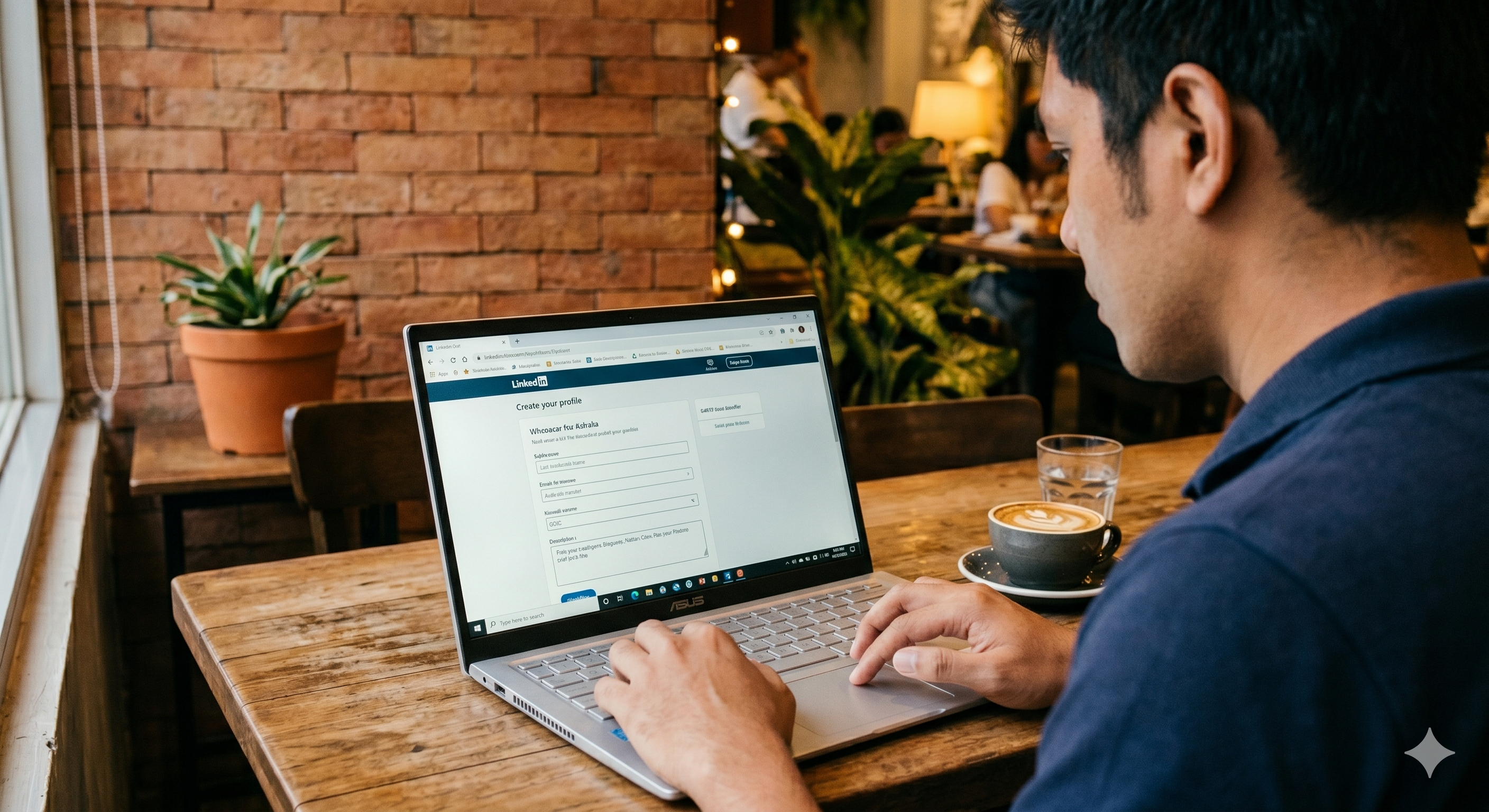
Freelancing lets you work on your own terms and gives you the flexibility you want while building a steady source of income. But before choosing your niche or role, it’s important to start with the basics.
1. Pick your skill and know your market.
Your skill is essentially what you bring to the table. This is what you’re naturally good at, whether it’s creative like writing and graphic design, or even managing schedules and administrative tasks.
Once you’ve identified it, see where it fits in the market. Search for active listings on platforms like Jobstreet, LinkedIn, or Indeed to confirm demand and get a sense of what beginners are charging. Just ensure to focus on one skill you’re confident in rather than trying to offer everything at once.
2. Level up (carefully).
Before chasing clients, make sure your skills are actually ready. Reach out to local businesses and volunteer to design logos, post on social media for writing enhancement, or just try editing TikTok videos if you’re into video editing.
Need to build your skills even further? Coursera and Udemy have free or affordable courses, and they also give certificates upon completion. This is a great way for you to add credibility to your profile on job websites.
Note: Watch out for sketchy online courses that overpromise results or ask for too much personal info. Before enrolling anywhere, read up on internet safety tips to protect yourself.
3. Set up your job profile.
Think of your profile as your digital first impression. It’s often the only thing a client sees before deciding whether to reach out, so it needs to count.
Write a clear headline that describes exactly what you do. Keep your bio short but specific, and highlight the kind of work you want to be hired for. When setting your rate, do a quick check of what others with similar experience are charging to stay competitive without selling yourself short.
Pro Tip: Make sure that your profile has space for reviews or testimonials. As you complete projects, you can ask your clients for feedback to showcase and use as proof of your experience.
4. Build a strong portfolio with sample work.
No clients yet? That’s completely fine. Create sample work that gives potential clients something concrete to look at.
A mock blog post, a concept redesign, a social media page for a made-up brand—anything that shows your range and what you’re capable of. A strong portfolio doesn’t just list your skills; it proves them.
5. Send proposals and follow up.
Don’t just wait for clients to find you. Look at businesses that could use your help, assess what they need, and send a proposal explaining how you can make things better for them. It’s a great way to land your first client and sharpen your skills at the same time.
If you don’t hear back within a week, send a polite follow-up. Taking the initiative to communicate first shows interest and is a valuable skill, especially in a freelancing career.
Note: As a freelancer, you’re technically self-employed, which means you’ll need to handle your own taxes. Make sure you know how to file your ITR as a freelancer, so you’re not caught off guard.
In-Demand Freelancing Skills in the Philippines

Wondering which skills are worth building? Whether you’re drawn to creative, technical, or admin work, the key is finding something that matches your strengths and that clients are actively looking for.
Starting freelancers typically earn around ₱15,000 to ₱30,000, and that can grow as you gain experience and build up good reviews. From creative to tech roles, here’s what’s in demand today.
Virtual Assistant (VA)
Virtual Assistants support businesses by managing schedules, emails, research, and other administrative tasks. It’s one of the most beginner-friendly roles you can start with, and demand keeps growing as more companies move their operations online.
If you have strong communication and organizational skills, this path is worth considering. VAs typically earn around ₱20,000 to ₱75,000 per month, depending on experience and the number of clients. As you grow, you can branch into specialized areas like email marketing or customer support.
Platforms like OnlineJobs.ph, Upwork, and FreeUp can help you find your first client and kickstart your VA career.
Graphic Designer
Brands constantly need creatives for logos, social media content, and marketing materials, and they’ll pay good money for quality work. If you have a good eye for visuals and know your way around tools like Canva, Adobe Photoshop, or InDesign, graphic design is a strong freelance path.
Graphic designers usually earn around ₱24,000 to ₱34,000 per month, with higher rates for experienced designers. Start creating your designs and find freelancing jobs on platforms like Fiverr, 99designs, and Upwork.
Content Writer or Copywriter
Writers are always in demand, especially those who can produce SEO-friendly blog posts or sharp ad copy that drives real results. If you enjoy crafting stories and communicating ideas clearly, this role can be a great fit.
Freelance writers can earn from ₱25,000 to ₱35,000 per month, but can scale higher with niche expertise, such as technical writing, SEO writing, or writing for specific industries like health or finance.
The best platforms to explore for freelance writing jobs are Upwork, Fiverr, and ProBlogger Job Board.
Web Developer

Web development is one of the highest-paying freelance skills today, with earnings ranging from ₱38,000 to ₱48,000 per month. If you’re proficient in using tools and languages like Python, JavaScript, and Figma, then you’re already building in-demand skills.
Businesses need web platforms that give clients easy access to information on their companies and the services they offer. You can charge premium rates even as a beginner if you deliver quality results.
Most freelance web developers land clients through Upwork, Toptal, and Freelancer.
Social Media Manager
Businesses rely heavily on their social media presence, and someone has to build and manage it. If you enjoy creating content and engaging with audiences online, this role blends creativity with strategy in a way that’s hard to beat.
A social media manager earns around ₱25,000 to ₱35,000 per month, depending on scope and number of clients.
Ready for Your Freelancing Journey?
Freelancing in the Philippines offers a genuine path to financial flexibility and professional growth, but it requires intentional skill-building, a strong online presence, and a consistent effort to succeed.
As you build your freelance career, having a reliable home internet connection is essential to staying productive without interruptions. It’s also a wise move to have a prepaid fiber connection as a backup, so you can stay connected even if your main line goes down.
When you’re on the move, a mobile prepaid promo keeps you in touch with clients. Planning to upgrade? A postpaid plan gives you access to the latest 5G devices for work on the go, plus exclusive perks like discounts on Canva memberships for creating polished content and client-ready visuals.
For longer stays outside your usual work-from-home setup, a plug-and-play prepaid 5G WiFi lets you enjoy fast, stable internet wherever you are. You can also use the GlobeOne app to check your data and reload anytime, so you’re always in control.
As you start working with clients, you’ll also need an easy way to get paid. Many freelancers use bank accounts or digital wallets like GCash for quick transactions.
The best time to start freelancing is now, so take the leap! Every Filipino freelancer started right where you are—what matters most is taking that first step and moving forward.