In this article:
Small everyday choices have a bigger impact on greenhouse gas emissions than many people realize. From the electricity used at home to the way we travel, shop, and manage waste, our daily habits collectively contribute to our environmental footprint.
Fortunately, many innovations and apps can make sustainable living more accessible. These tools can help you take practical steps in your routine, especially when you’re looking to save energy.
Eco-Friendly Technologies for Daily Living
From the vehicles we drive to the devices we use at home, innovation is making it easier to use resources more thoughtfully without sacrificing convenience.
1. Electric Vehicles (EVs)

Image Credit: Gogoro
An electric vehicle (EV) uses electricity stored in rechargeable batteries to power its motor, reducing the need for traditional fuel like gasoline or diesel. As charging infrastructure continues to expand, EVs are becoming more accessible for everyday travel. Some hybrid vehicles also qualify for coding exemptions under the Electric Vehicle Industry Development Act (EVIDA), helping owners enjoy greater convenience and flexibility.
EV options also extend beyond cars. Electric bicycles (e-bikes), e-scooters, and electric motorcycles are becoming common for short-distance travel and neighborhood commuting. For example, the Gogoro Smartscooter uses a battery-swapping system that lets riders swap depleted batteries for fully charged ones, making it easier to stay powered up while navigating traffic.
2. Solar Panels

Solar panels are a great source of renewable energy, reducing your reliance on fossil fuels.
Solar panels are a great source of renewable energy, reducing your reliance on fossil fuels. They also lower household electricity costs depending on your location, energy consumption, and available sunlight. Some households save around ₱12,000 to ₱18,000 per month on electricity bills.
While installing solar panels requires an upfront investment, costing anywhere from around ₱100,000 to ₱500,000, many homeowners find the long-term savings worth considering. If you’re exploring renewable energy options, providers such as Solaric, Solar Philippines, and Meralco’s Spectrum offer installation and support services that can make the switch to solar energy a lot easier.
3. LED Lighting

If solar panels aren’t within your budget just yet, upgrading your lighting is a simpler way to start reducing energy use at home.
LED bulbs consume less electricity than traditional incandescent bulbs while providing the same level of brightness. For example, a 10W LED can produce similar light output to a 60W incandescent bulb, using up to 80% less energy and lasting much longer.
For even greater savings, consider smart LEDs or motion-sensor bulbs that automatically switch on only when needed, reducing energy waste.
4. Modern Home Systems
Connected home set-ups can make household management more convenient by allowing devices to work together through a single smart home system. Using a mobile app, voice assistant, or automated routines, you can seamlessly oversee your home while avoiding unnecessary energy use.
Examples of smart home devices include:
- Security cameras: Monitor your home in real time and receive alerts when unusual activity is detected.
- Smart door locks: Grant access to family members, guests, or service providers without needing physical keys.
- Smart plugs: Turn appliances on or off remotely and create schedules based on your activities.
- Smart switches: Automate lighting schedules without replacing your existing light fixtures.
- Smart lighting systems: Adjust brightness and activate lighting based on schedules, occupancy, or time of day.
- Sensors and smart thermostats: Maintain a comfortable indoor temperature by automatically adjusting cooling settings.
- Smart speakers: Use voice commands to manage compatible devices, play media, or access information hands-free.
- Robot vacuum cleaners: Clean floors automatically based on schedules, reducing time spent on household chores.
5. Energy-Efficient Appliances

While smart home systems can give you greater control over your household energy use, the appliances themselves matter, too. Many modern refrigerators, air conditioners, and other household appliances use inverter technology, which automatically adjusts power consumption based on actual demand. Combined with features like programmable settings and automatic shut-off, these can reduce unnecessary electricity use while maintaining performance.
You might be surprised how much less energy newer models use compared to older ones.
Apps That Support Sustainable Actions
Some of the most practical sustainability tools fit right in your pocket. From reducing waste to tracking resource consumption and encouraging more mindful habits, these apps help you commit to a more sustainable lifestyle.
6. Buy and Sell Apps
Before replacing an item, consider whether you can find it secondhand instead. Marketplaces such as Carousell, Facebook Marketplace, and eBay make it easy to buy or sell pre-owned electronics, clothing, and household items, which keeps usable products in circulation longer.
If you regularly sell from home, a stable fiber postpaid plan can help you sell products—whether from posting or livestreaming—and respond to customers fast. For occasional online sellers, such as those decluttering unused items or running holiday gift sales, a prepaid fiber connection lets you top up only when needed while staying connected to buyers.
7. Carpooling and Public Transit Apps
Whether you’re commuting to work or exploring a new area, transportation apps can make trips more efficient. Apps like Carpool World and Grab make it easier to share rides, while platforms such as Sakay.ph and Moovit let users compare routes, check transit options, and navigate public transportation.
Real-time maps, traffic updates, and route planning work best when these apps are readily available while you’re traveling. Reliable 5G connectivity helps keep them accessible throughout your trips. Pair them with prepaid promos for flexible data access or a postpaid plan for constant, reliable connectivity.
8. Food Waste Apps

Food spoilage is a common source of household waste, especially when extra ingredients or leftovers go unused. Apps like Olio, available on the App Store and Google Play, let you share extra food and household items with nearby communities. The app also lets users post available items, arrange pickups, and connect with others looking to make better use of surplus food instead of throwing it away.
9. Carbon Footprint Calculators
Understanding your environmental impact starts with measuring it. Carbon footprint calculators estimate how activities such as commuting, household energy use, and shopping contribute to your overall footprint. The results can offer practical insights for more sustainable choices.
Estimate your emissions and get helpful tips to lessen them over time with tools like the Household Carbon Footprint Calculator created by Rappler and nonprofit organization The Climate Reality Project Philippines.
10. Energy Consumption Trackers
While carbon footprint calculators look at the bigger picture, energy tracking tools focus on one area that many households can directly influence: electricity use. Apps like Meralco’s Appliance Energy Calculator can assist in identifying high-consumption appliances and uncover opportunities to prioritize upgrades or adjust usage schedules.




Start Reducing Greenhouse Emissions in Your Daily Routine
Making more resource-conscious choices doesn't have to happen all at once. Whether you’re upgrading appliances, reusing items through secondhand marketplaces, or paying closer attention to energy use, small actions can add up over time.
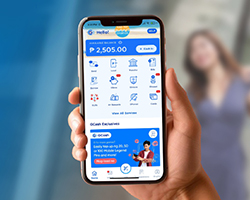
You can also take your eco-conscious efforts further through Globe’s innovative GCash initiative, GForest. Through everyday digital transactions and eco-friendly activities, you can contribute to forest restoration while reducing your environmental impact.
When thoughtful choices become part of your routine, creating positive change becomes less about effort and more about habit.


