In this article:
Bohol is home to some of the Philippines’ most iconic attractions, making it a destination worth adding to your travel plans year-round. Beyond famous landmarks like the Chocolate Hills and Loboc River, each Bohol tourist spot offers its own mix of natural beauty, local flavors, history, and unique experiences.
If you’re visiting in July, you may also catch the Sandugo Festival, a colorful celebration that brings the island to life with cultural performances, parades, and community events. Whether you’re here for sightseeing or local festivities, there’s plenty to discover across the island.
What to See, Do, and Taste in Bohol
From well-known landmarks to unforgettable experiences that offer a deeper look into island life, these activities deserve a place on your Bohol itinerary.
1. Explore the origins of the Blood Compact Shrine.
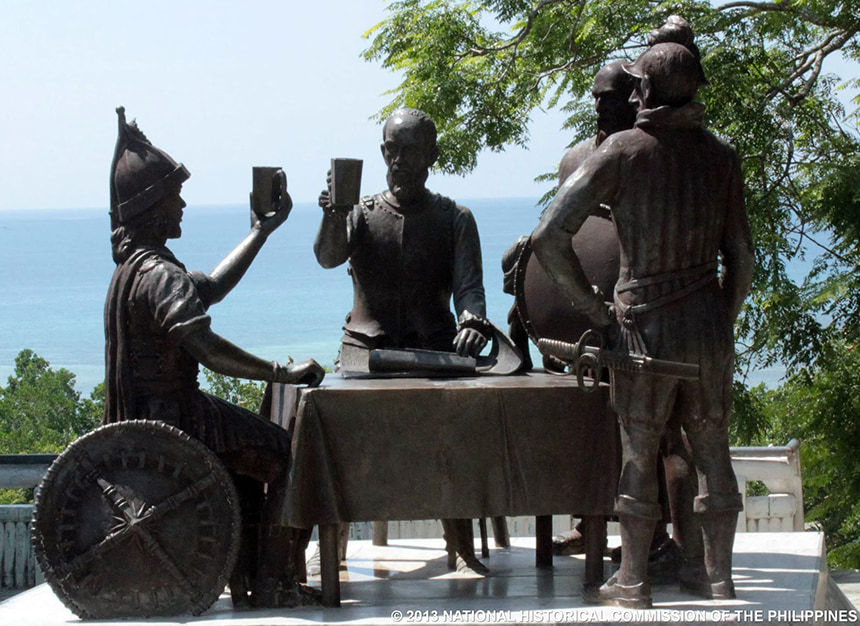
Image Credit: National Registry of Historic Sites and Structures in the Philippines
If history and art are to your liking, the Sandugo Shrine, or Blood Compact Shrine, in Barangay Bool, Tagbilaran City, should be at the top of your list.
One of Bohol’s most recognizable landmarks, it commemorates the historic meeting between Datu Sikatuna and Miguel López de Legazpi. The monument features striking bronze sculptures by National Artist Napoleon Abueva, set against a scenic coastal backdrop.
It’s a quick but worthwhile stop for travelers interested in history, photography, or simply taking in the view before heading to nearby attractions.
If you’re on a tight itinerary or traveling with kids, consider booking a city tour that includes the shrine, the National Museum, and other nearby cultural sites. It’s a convenient way to get around, with guides who can share local insights and interesting facts along the way. The area is open 24 hours.
2. Savor local flavors.
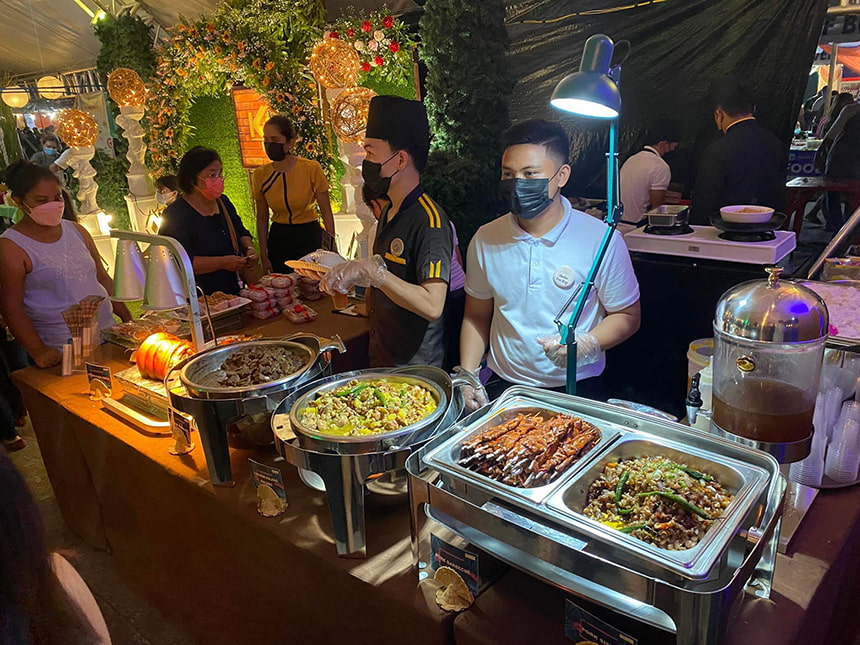
Image credit: Bohol International Fusion Nights Facebook
After exploring a historic Bohol tourist spot, make time to discover the province through its food. From family-run restaurants to bustling public markets, local dishes offer a delicious glimpse into the island’s culinary roots.
- Puto Maya and Sikwate: Sticky rice paired with rich hot chocolate made from tablea
- Kinilaw: Fresh seafood cured in vinegar and calamansi with ginger, onions, and chili
- Pancit Bam-i: A flavorful noodle dish often served during celebrations and gatherings
- Humba Boholana: A local braised meat dish with a subtle sweetness from fruits like saba banana or pineapple
- Halang-Halang: A comforting chicken stew with coconut milk, ginger, and chili
- Calamay: A sticky rice delicacy made with coconut milk and brown sugar
- Peanut Kisses: Bohol’s iconic peanut-based pasalubong inspired by the shape of the Chocolate Hills
Find these Boholano specialties at Gerarda’s Place, Payag Restaurant, Island City Mall, BQ Mall, and Cogon Public Market.
To find the best recommendations, top up your prepaid data and go online to check reviews and discover great local eats while sticking to your travel budget. Reload with the GlobeOne app to enjoy even better data while finding more hidden restaurants in the area.
3. Find locally made arts and crafts.
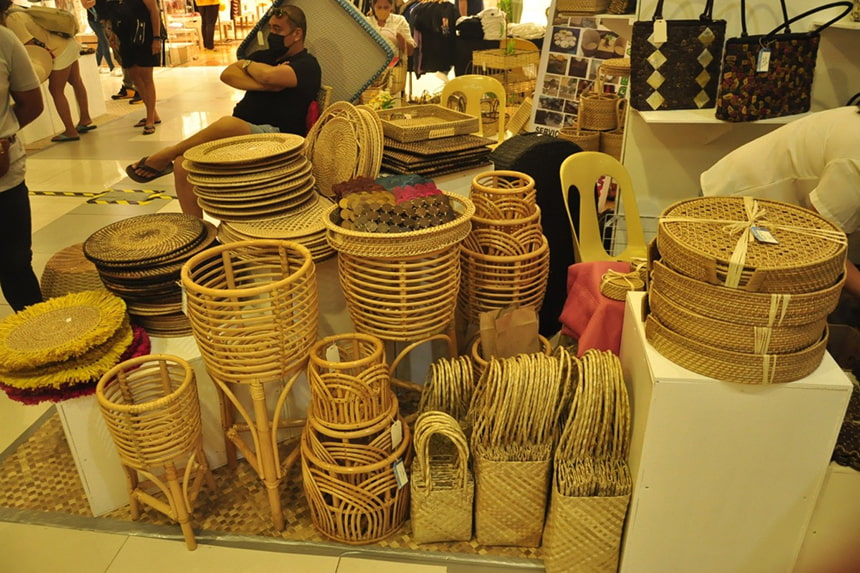
Image Credit: Philippine Information Agency
Who says food is the only souvenir you can take home? In Bohol, you can also bring home a meaningful piece of its cultural identity through its rich creativity and craftsmanship. From woven goods and handmade crafts to fashion, décor, and other local products, Boholano artistry shines through, especially during the Sandugo Festival every July, when the province also hosts its annual trade expo.
Remember to pack light and leave extra room in your luggage whenever possible. This way, you can safely bring home souvenirs without worrying about excess baggage or limited packing space.
4. Shop for land, farm-fresh produce at bargain prices.
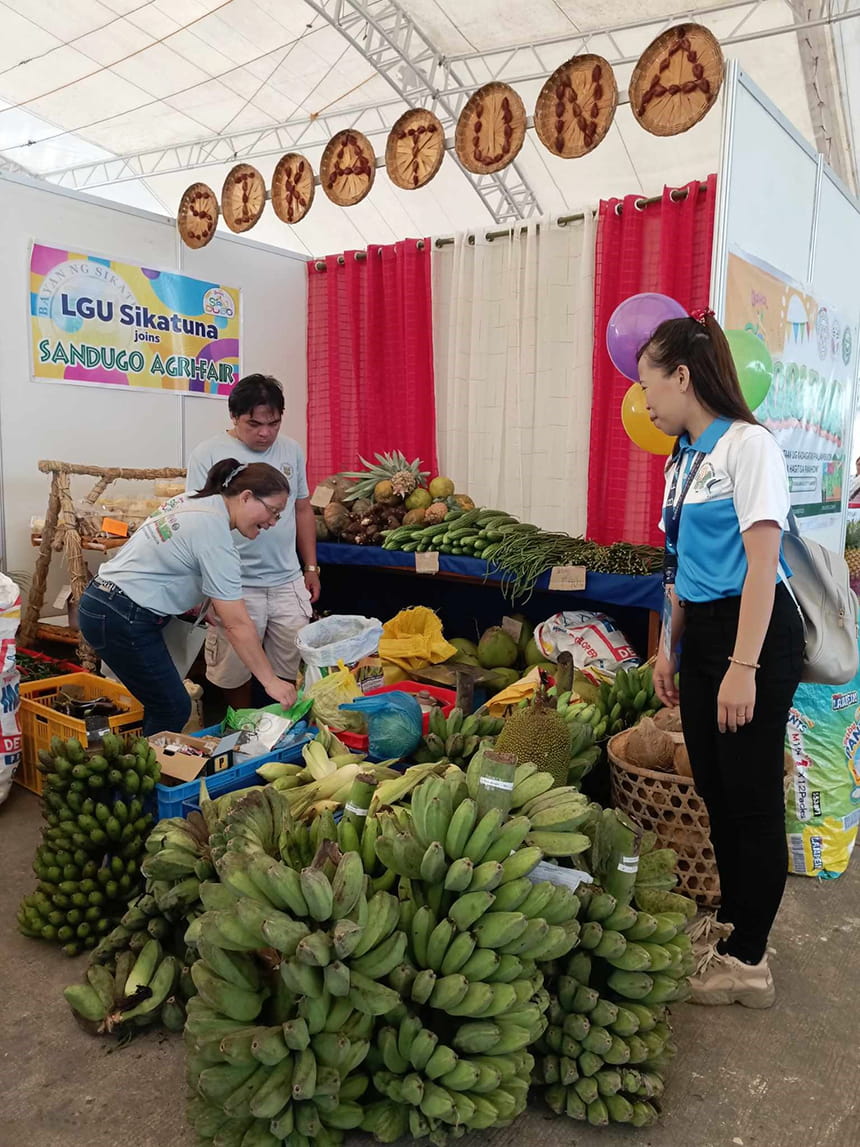
Image credit: Department of Agriculture Special Area for Agricultural Development (DOA-SAAD)
Supporting local farmers, producers, and micro-businesses is a great way to experience and appreciate Bohol’s agricultural heritage.
Visit local markets and trade fairs such as Barangay Manga Public Market, the annual Sandugo Agri-Fair, and KADIWA ng Pangulo pop-up markets at Tagbilaran City Hall, where you can browse fresh fruits, vegetables, and other locally grown products at affordable prices. Many of these goods are freshly harvested and sourced directly from local farms.
You can expect a relaxed local market atmosphere in Bantawan (Old Tagbilaran Airport), where most vendors accept cash, card, or GCash. You can also ask them to pack the items for check-in at the airport. Entrance is typically free for visitors.
5. Join the celebration at Bohol’s Sandugo Festival.
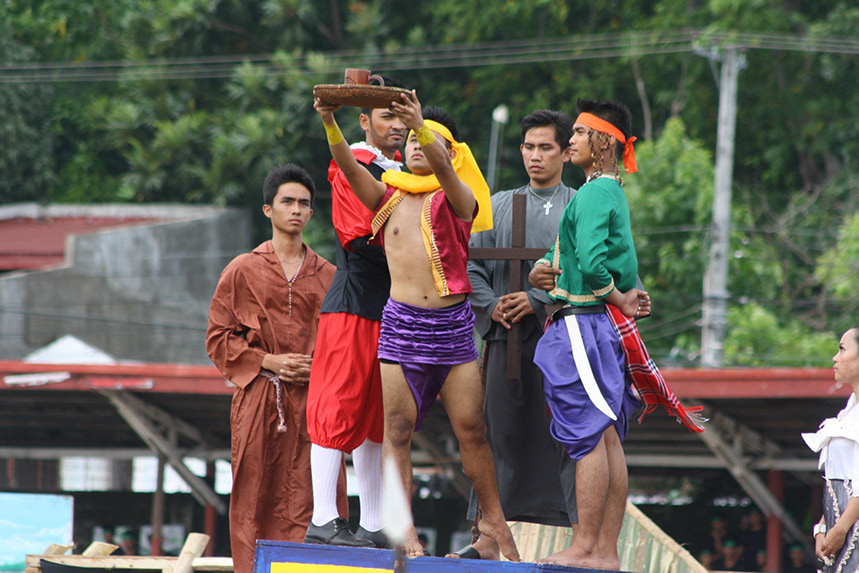
Image Credit: Bohol Sandugo Festival Facebook
If you’re visiting in July, don’t miss the Sandugo Festival in Bohol, one of the island’s biggest annual celebrations. Streets come alive with colorful parades, cultural performances, and lively street dancing competitions inspired by the historic blood compact. The parade typically starts along Carlos P. Garcia Avenue and ends at the Carlos P. Garcia Sports Complex. While celebrated annually in July, the schedule of events vary each year.
It’s a great opportunity to see the community come together while experiencing a different side of Bohol beyond its well-known attractions. Be sure to wear light clothing, stay hydrated, and bring sun and rain protection, as many activities take place outdoors.
Make sure also to access maps and real-time updates on parade routes and road closures before heading out. Your postpaid plan data can help keep you connected as you check for updates.
Practical Tips for Planning Your Trip to Bohol
A little preparation can help you make the most of your time on the island. Before you finalize your itinerary, keep these practical travel tips in mind to help your trip go more smoothly.
Image credit: Ocean Suites Boutique Hotel Facebook
The Best Time to Visit
Bohol is a destination you can enjoy year-round, with each season offering a different travel experience depending on your preferred activities, budget, and crowd levels.
- Dry Months (November to May): Ideal for outdoor activities such as island hopping, beach trips, and countryside tours. Expect sunny weather and calm seas, along with higher tourist numbers and faster flight and hotel bookings. If you're visiting in May, you can also catch Tagbilaran City's Saulog Festival.
- Wet Months (June to October): Expect occasional rain and fewer tourists, making it more budget-friendly and relaxed. Some festivals, like the Sandugo Festival, can add lively crowds and cultural events.
How to Get Around Bohol
- Planes: Major airlines such as Philippine Airlines (PAL), Cebu Pacific Air, and AirAsia Philippines operate regular flights from Manila to Tagbilaran City. Ticket prices range from ₱3,500 to ₱6,000 depending on the airline, booking time, and season.
- Ferry: If you’re traveling between Cebu and Bohol, rates range from ₱350 to ₱500.
- Land Transportation: Car rentals cost about ₱2,500 for small cars to ₱4,500 for SUVs, depending on the vehicle type and rental inclusions. Motorcycle rentals generally start at ₱600 to ₱1,000 a day. For shorter distances, public transportation, such as tricycles and jeepneys, is also widely available across towns and tourist areas. For a hassle-free experience, some travelers also opt for guided tours that combine multiple attractions into a single route.





Discovering a Seamless and Remarkable Bohol Journey
Some destinations stay with you long after you’ve returned home, and Bohol has a way of doing just that. Beyond its postcard-worthy landscapes, the island offers cultural experiences, time-honored traditions, and warm hospitality that make every visit memorable.
Whether you're exploring its natural wonders or local life, each trip offers a chance to experience a different side of Bohol. That's what keeps travelers coming back, with new stories waiting to be discovered each time.
Start mapping out your next travel adventures! You can also check out this guide to religious festivals in the Philippines, celebrated throughout the year and perfect for future trips and cultural exploration.


