In this article:
Trendy outfits, online hauls, and fast-changing fashion trends make it tempting to keep buying new clothes. But behind those statement pieces and curated fits is a growing environmental problem.
If you’re looking for a simple way to live a little greener, your wardrobe is a great way to start. Sustainable fashion is all about making mindful choices, from rewearing old favorites and repairing damaged clothes to buying secondhand and investing in clothes that you’ll be wearing for years. It’s a fashion trend that lets you express your style while caring for the planet.
Dressing more sustainably doesn’t mean giving up your personal style. With these habits, you can build a wardrobe that looks good, feels authentic, and creates less waste.
1. Review Your Wardrobe

It all starts with your closet. Take a look at the clothes you already own and check their tags to see what materials they’re made of.
Need help in looking at what sustainable fabrics are or what brands practice eco-friendly production? With reliable fiber postpaid internet, you can run quick searches, stream YouTube guides, and play them in the background while sorting your clothes.
2. Segregate Your Clothes
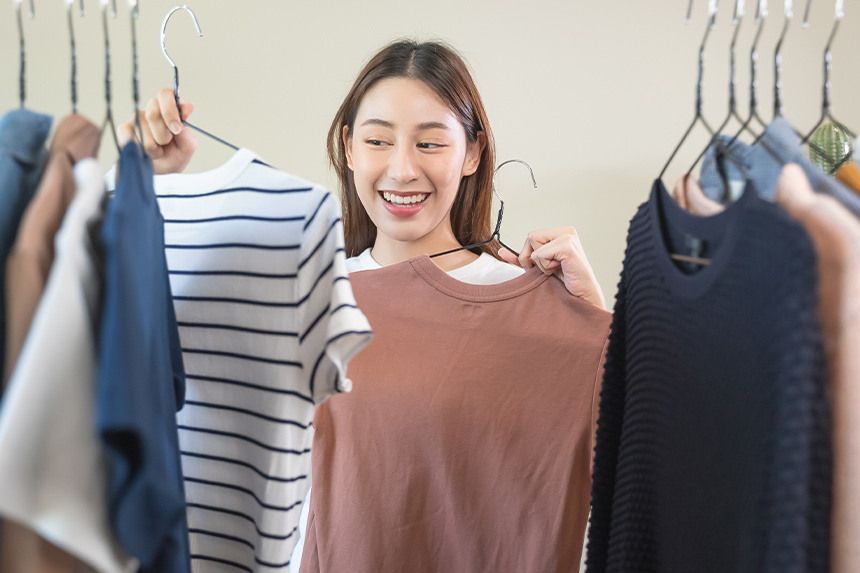
After you’ve reviewed your wardrobe and assessed what types of fabric it uses, you can now separate these pieces and slide them to the side. Some fabrics, like wool, are naturally low-maintenance, breathable, and odor-resistant, which means they can be worn multiple times before needing a wash.
Your sweaters, coats, jeans, board shorts, and linen shirts can also go longer between washes without a problem. Washing clothes too often can fade colors and wear out fabrics sooner.
Separate these pieces based on how often they need to be washed. By doing this, you’re extending the life of your wardrobe while also helping conserve water and energy at home.
3. Repair Instead of Replacing
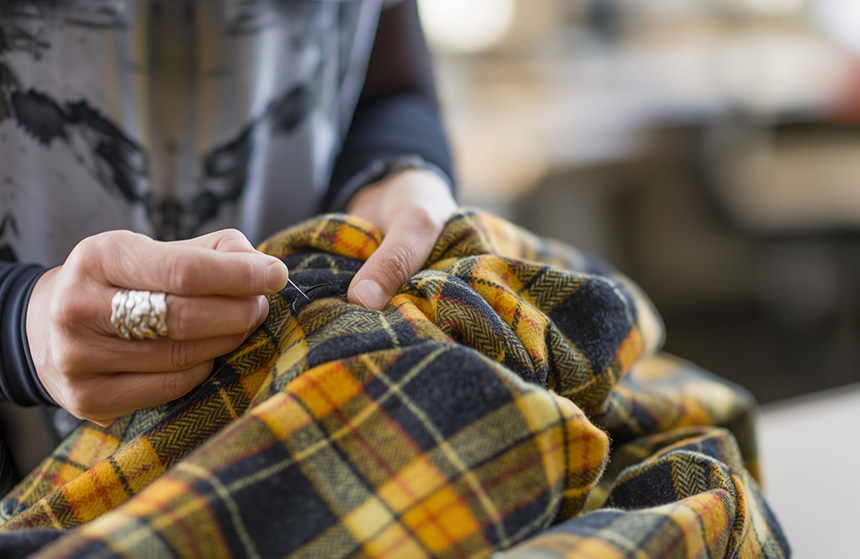
Sewing is one of the best skills to have when building your eco-friendly wear. Whether it’s reattaching a missing button, fixing a ripped seam, or adding a new design detail, repairing your clothes instead of replacing them is a more practical and sustainable choice.
To make your clothes last longer, follow the care labels inside. Usually, symbols like a “triangle with an X” mean to avoid bleaching, and a “hand inside a tub” symbol means hand wash only. Remember, different fabrics require different care, so go easy on washing, air drying, and ironing.
You can also give your old, worn-out pieces a new life with a bit of creativity. Turn tattered clothes into tote bags, cutting faded shirts into headbands and scrunchies, or even reusing fabric scraps to make DIY accessories you can gift to friends and family.
By making the most of what you already have, you create a sustainable wardrobe while reducing waste from replacing it.
4. Choose Pre-Loved Items
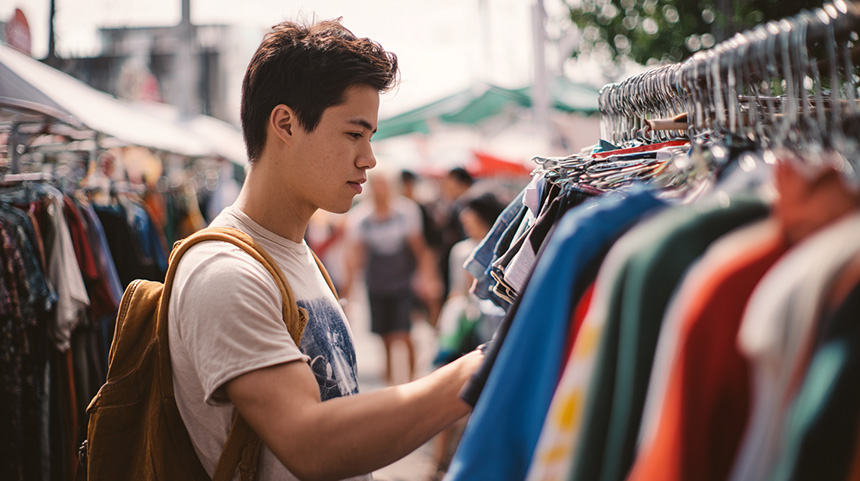
Many young consumers are shifting to sustainable fashion choices. This is where ukay-ukay comes in: instead of buying new clothes, opt for secondhand or pre-loved items online or at flea markets. You’ll be surprised to find quality clothes while saving money and reducing waste.
If you’re new to thrifting, it can sometimes feel overwhelming. With all the bargains and very affordable prices, you’ll get lost in what you really want and need.
Pro Tip: Find your personal style first. Look for inspo online with your mobile prepaid data on the go, so you can shop wisely and reduce unnecessary purchases right before your barkada thrifting sessions.
5. Build a Capsule Wardrobe
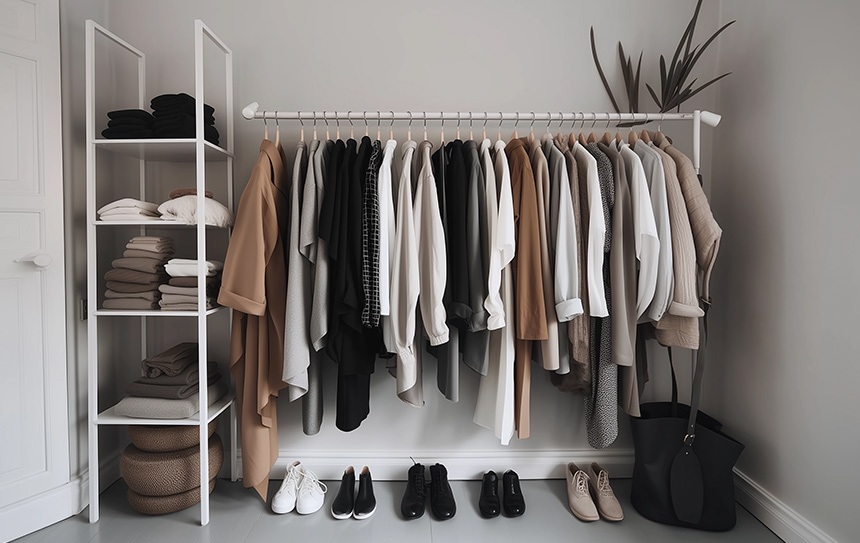
A capsule wardrobe consists of timeless pieces that can be mixed and matched with ease. Think of classic blazers rather than bomber jackets, tailored slacks over barrel pants.
Remember, it’s all about quality, not quantity. Choose items with the intention that you’ll use them for long-term rather than short-lived trends.
Not sure what style fits your capsule wardrobe best? Explore outfit inspo on TikTok, Pinterest, or YouTube fashion vlogs to discover looks that match your vibe, whether you’re into old money fashion, streetwear, minimalist outfits, or clean aesthetics. By saving pegs, following creators, and organizing mood boards, you can plan outfits ahead and build a sustainable wardrobe filled with versatile pieces you’ll actually wear.
6. Rent the Look Instead of Buying New
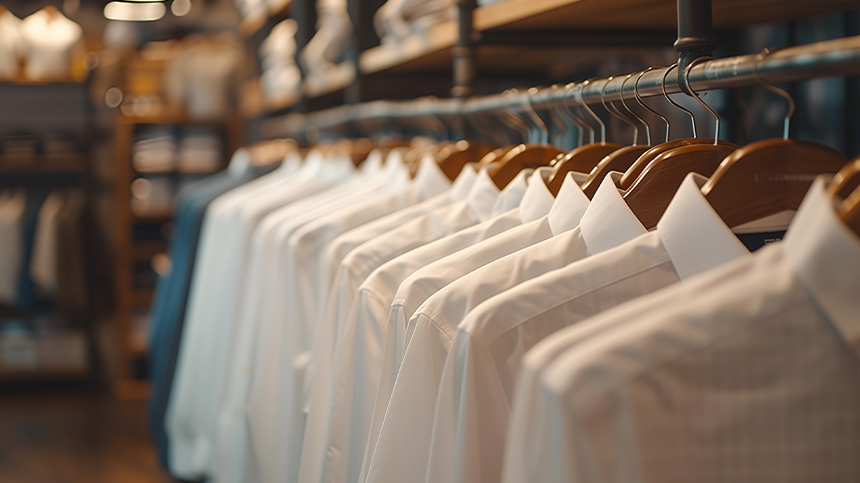
Skip buying new outfits for special events; try rentals instead. You get to enjoy quality clothes at just a fraction of the price. Plus, renting means less demand for new clothes, which means less waste and less gastos.
Before renting pieces, it’s important to know your size, measurements, and the event you’re attending.
For events like wedding receptions, go for formal dress or suit rentals. Invited to a themed party? Try visiting costume stores near you and renting costumes instead.
Wherever your gala and important occasions take you, a mobile postpaid plan lets you find directions, stay in touch with stores, and get real-time rental updates.
7. Research Brands Before You Buy
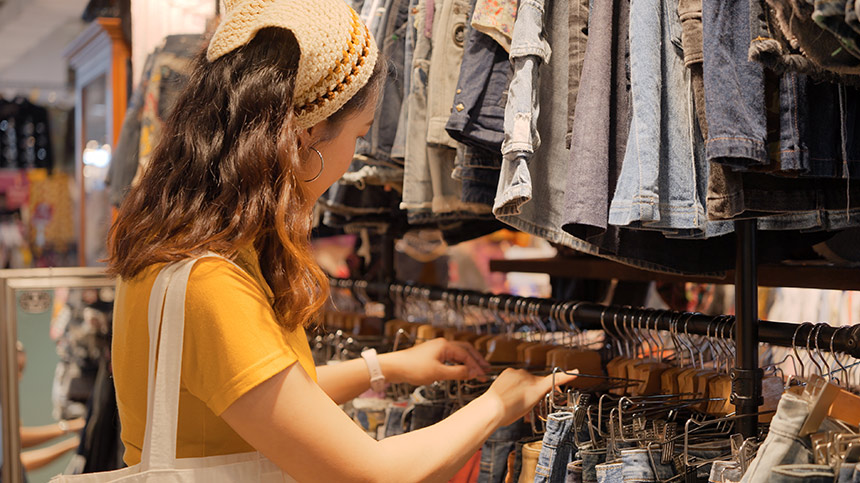
When shopping or thrifting, look beyond brands and labels. Take the extra effort to research how their products are made and whether the materials are sustainable.
Supporting local businesses is also a sustainable way to help communities and reduce carbon emissions, since it cuts down on shipping.
You can check the brand’s official website to assess its sustainability, or use this checklist to see whether the brand supports sustainability.
- Material Transparency: Do the products clearly state what fabrics and materials they use?
- Certifications and Labels: Look for trusted certifications, such as the Green Choice Philippines (GCP) seal for local products, which indicates that the product is environmentally safe.
- Production Practices: Do they promote fair labor and ethical manufacturing?
- Durability: Are the clothes designed to last beyond short-lived trends?
You can also browse community threads or websites that review fashion brands based on their environmental impact, labor practices, and sustainability efforts.
Start Building Your Sustainable Wardrobe Today
Building a sustainable wardrobe can be worth every step. Every extra effort you make compounds not only from taking care of what you wear, but also from making a conscious choice for your personal style and the planet.
Browse your fashion finds, shop locally, and explore different styles until you find one that feels like you. Remember, sustainable fashion is finding a style that fits your lifestyle, one that’s better for your wallet and kinder to the planet. No matter how you wear it, wear it with confidence, because real style is what feels good and does good.
So for your next fit flex, choose pieces with intention and build your wardrobe one mindful purchase at a time. Whether you’re saving inspo, shopping online, or planning your outfits on the go, staying connected with reliable data helps you keep everything within reach, and tools like the GlobeOne app make it easier to manage your data along the way.