In this article:
Living with a disability can come with unique circumstances, but it doesn’t have to limit the opportunities available to you. That’s why securing your Person with Disability (PWD) Identification Document (ID) is an important step in receiving the benefits and other support provided under government regulations. The path to your PWD ID starts with knowing what you need and where to begin.
With the Unified Persons with Disabilities ID System, it’s now easier to get your PWD ID. It standardizes PWD registration, verification, and ID issuance nationwide while helping prevent duplicate and fraudulent IDs. If your Local Government Unit (LGU) offers online registration, you may also be able to complete part of the process without repeated in-person visits and long waits.
Here’s what you need to know about eligibility, requirements, PWD ID online application steps, and the unified PWD ID system.
What’s a PWD ID and Why Does It Matter?
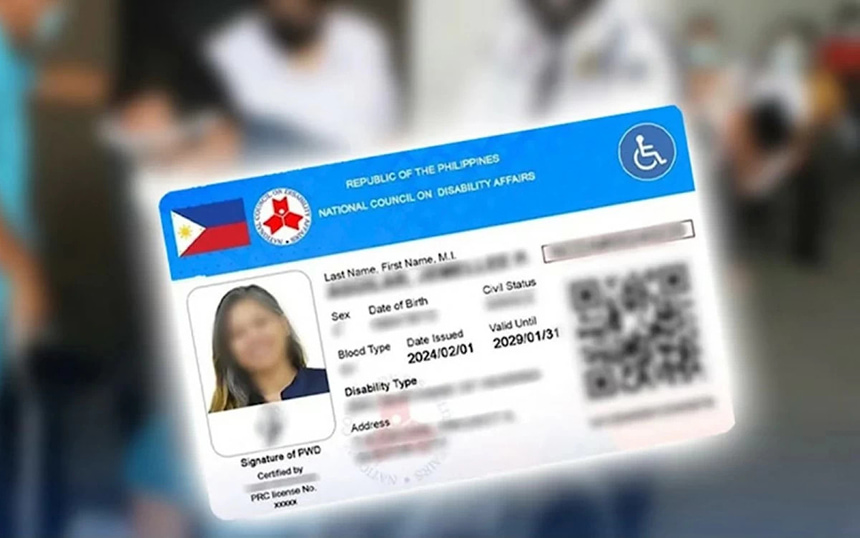
A PWD ID is an official government-issued identification card in the Philippines that verifies a person’s disability status and provides access to legally mandated privileges and discounts nationwide.
Beyond serving as proof of disability status, this ID helps cardholders access financial assistance, priority services, and legal protections under laws like Republic Act No. 7277, or the Magna Carta for Disabled Persons, as amended by Republic Act No. 9442 and Republic Act No. 10754. These benefits take the form of the following:
- 20% discount and value-added tax (VAT) exemption on medical-related fees, including dental and laboratory, domestic travel, public transport, and restaurants
- 5% discount for basic necessities and prime commodities, such as rice and cooking oil
- Special access to public and private establishments’ express lanes and designated parking spaces
- Access to benefits and protections extended to qualified persons with cancer and rare diseases under Republic Act No. 11215 and Republic Act No. 10747
- Social support through educational aid, government benefits, and protection from public ridicule
What’s Changing Under the Unified PWD ID System?
As PWD IDs continue to provide access to these benefits and protections, the government is also updating how they’re issued and verified nationwide.
National Council on Disability Affairs (NCDA) Administrative Order No. 001, s. 2026 institutionalizes the Unified PWD ID System, replacing the former interim framework under NCDA Administrative Order No. 001, s. 2021.
Under the previous system, local government offices handled PWD registration and ID issuance. The new system establishes a more standardized approach to PWD registration and verification while keeping LGUs involved in the process. With the Unified PWD ID System, the key changes include:
- A centralized PWD registry jointly administered by NCDA and the Department of Social Welfare and Development (DSWD)
- Standardized registration, eligibility verification, and disability classification across LGUs
- A digital PWD ID with a unique ID number and Quick Response (QR) code or barcode for secure verification
- Real-time verification measures intended to prevent duplicate, falsified, or improperly issued IDs
- Continued local issuance through LGUs, Persons with Disabilities Affairs Offices (PDAOs), City Social Welfare and Development Offices (CSWDOs), and Municipal Social Welfare and Development Offices (MSWDOs)
Note: The UPWDIS is being rolled out in phases, so local processes and availability may differ during the transition.
The stronger verification measures also address reports of fake PWD IDs. NCDA has previously reported cases of fraudulent IDs being sold online or issued to ineligible people. This highlights the need for a more consistent and verifiable nationwide system.
Which Government Agencies Handle the PWD ID System?
Putting these changes into practice requires coordination across several government agencies and local offices. Each plays a different role in registration, verification, ID issuance, system implementation, and oversight, helping support a more consistent PWD ID process nationwide. Their responsibilities are divided across national and local levels as follows:
- NCDA and DSWD jointly manage and coordinate the unified system.
- LGUs, PDAOs, CSWDOs, and MSWDOs receive and verify applications and issue IDs locally.
- The Department of Health (DOH) supports standardized disability classifications and health-related requirements.
- The Department of Information and Communications Technology (DICT) provides technical and digital infrastructure support.
- The Department of the Interior and Local Government (DILG) coordinates and monitors LGU implementation.
- The Philippine Statistics Authority (PSA) and National Privacy Commission (NPC) support verification or statistical functions and data privacy, respectively.
Who Can Apply for a PWD ID in the Philippines?
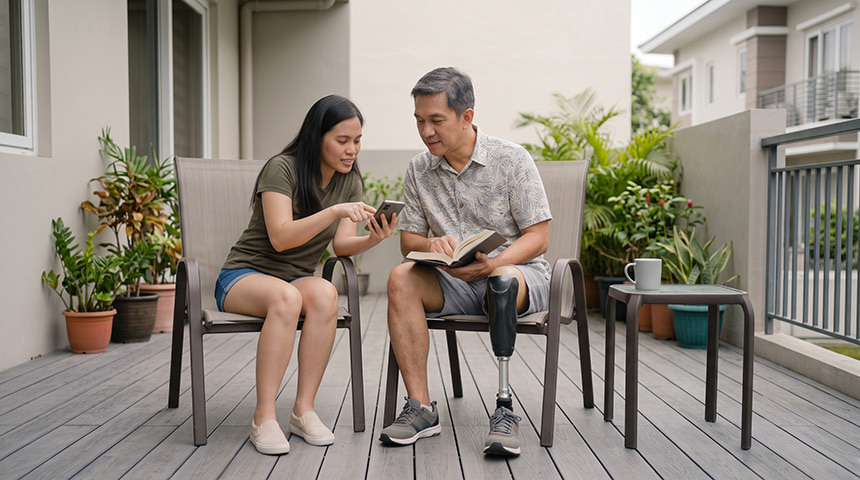
Eligibility for a PWD ID is open to bona fide Filipino citizens who meet the assessment criteria for recognized disability types under the Philippine law. You or someone you represent may qualify if you meet any of the following conditions.
- The disability categories covered by the system include:
- Hearing disabilities
- Intellectual or learning disabilities
- Mental disabilities
- Orthopedic disabilities
- Physical disabilities
- Psychosocial disabilities
- Speech and language disabilities
- Visual disabilities
- Cancer and rare diseases
- People with apparent disabilities may be assessed based on observable conditions, like missing limbs and total blindness.
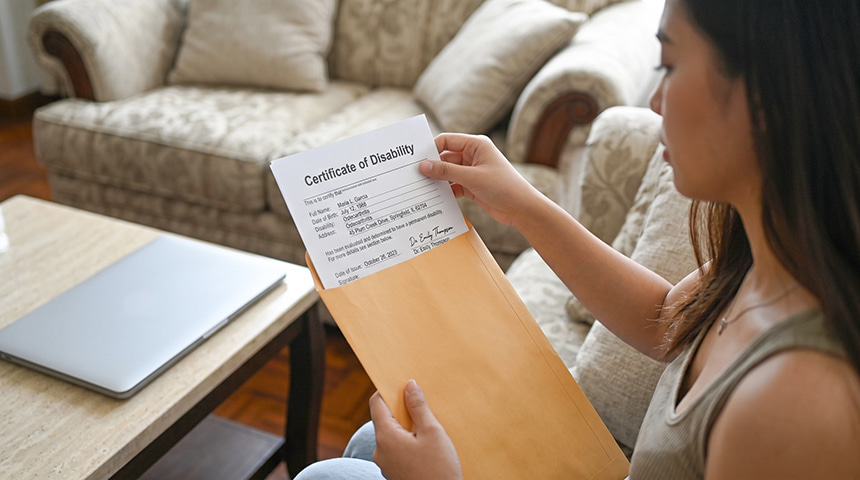
- People with non-apparent disabilities may also qualify, provided they can present the required medical documentation or Certificate of Disability.
- Children with disabilities should be accompanied by a parent, guardian, or authorized representative.
Note: Disability classifications under the unified system will follow applicable DOH categories, standardized assessments, and implementation guidelines.
What to Prepare for a PWD ID Application
After confirming your eligibility, prepare the PWD ID requirements to get ready for your application. Some of these may vary depending on your circumstances and disability classification.
Basic Requirements for New Applicants
These are the documents generally needed when applying for a PWD ID for the first time.
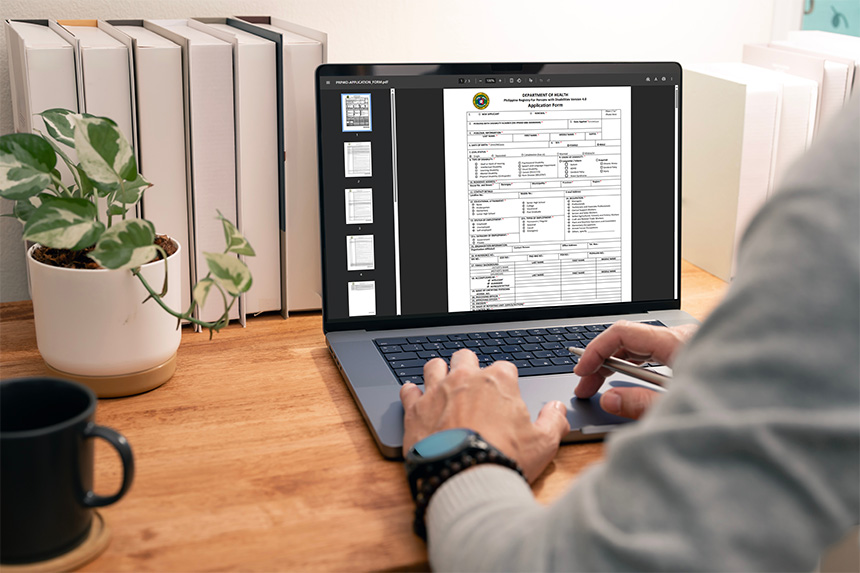
- Accomplished PWD ID Application Form
- Two recent 1×1 ID photos, signed or thumb-marked with your name on the back
- One valid government-issued ID or a Barangay Certificate if unavailable
- Proof of residence, such as a Voter’s ID and a utility bill showing your name and address
- If requested during registration, your Philippine Identification System (PhilSys) number may also be recorded under the unified system. But not having a PhilSys number doesn’t disqualify you from registration.
Further Requirements for Minors and Accompanying Adults
Underage applicants, or those assisted by a guardian or representative, may need to provide additional proof.
- For children: School ID or photocopy of birth certificate
- For guardians and representatives: Proof of guardianship and notarized authorization letter
Medical or Disability Documents
Depending on the type of disability, you may also need more supporting records for your registration.
- For apparent disabilities: A separate physician-issued Certificate of Disability may not always be necessary. Under the updated system, the PDAO may verify apparent disabilities, and applicants may be referred to a local health unit when further certification is needed.
- For non-apparent disabilities: A physician’s Certificate of Disability is required to confirm the disability.
- For cancer or rare diseases: A medical or disability certificate issued by an oncologist, surgeon, or other appropriate physician with expertise in determining the condition is required.
Note: Additional requirements may be needed, so you should verify with your local PDAO, CSWDO, MSWDO, or issuing office.
How to Apply for a PWD ID
Now that you know the different requirements, you can proceed with the PWD ID application and choose the option that works best for you. Here’s how.
In-Person Visit
- Get the PWD ID Application Form from your PDAO/CSWDO/MSWDO, barangay, mayor’s office, or other issuing office.
- Complete the form and submit the requirements.
- Undergo assessment for apparent disabilities or medical document review for non-apparent disabilities, as required.
- Wait for approval and processing. Approved applicants are encoded in the Philippine Registry for Persons with Disabilities (PRPWD) website and assigned a PWD ID number.
- Claim your PWD ID from the issuing office. Processing time varies by LGU.
Note: LGUs remain responsible for receiving and verifying applications and issuing PWD IDs under the unified system.
Online
- Visit the DOH PRPWD website and pre-register by filling out the application form.
- Print and submit the printed form and required documents to your local PDAO, CSWDO, or MSWDO for processing, unless your LGU offers online submission.
- Check your LGU’s online services for options to submit requirements or complete parts of the application online.
- Be prepared for an in-person visit for verification, assessment, or ID claiming, depending on your LGU.
NOTE: Online pre-registration or digital application options may vary by LGU and may depend on the stage of the UPWDIS rollout. Verify the current process with your local PDAO, CSWDO, or MSWDO instead of relying on unofficial registration websites.
Once approved under the Unified PWD ID System, the system can generate a digital PWD ID with a unique ID number and QR or barcode for verification. The LGU may also print a physical ID when needed or requested.
Helpful Tips for a Seamless PWD ID Application
Once you complete the application steps, a few simple checks can help keep your PWD ID application accurate, secure, and on track.
- Use official sources. Rely on government websites and your LGU’s verified channels for application information.
- Check your details. Make sure your personal and disability information match your supporting documents.
- Verify local requirements. Ask your PDAO, CSWDO, or MSWDO if additional documents or steps apply in your area.
- Prepare clear documents. Keep current, legible copies of all required documents.
- Keep your records. Save a copy of your completed application form and submission details.
- Protect your information. Stay safe online by avoiding unofficial websites or individuals requesting unnecessary personal data or payment.
- Watch out for fake PWD ID offers. Never buy an ID from unofficial sellers, social media pages, or unauthorized intermediaries. Authorized LGU personnel verify applications and supporting documents, and the unified system may cancel duplicate or fraudulent registrations.
PWD ID Application FAQs
If you still have questions about the PWD ID application in the Philippines, here are some clear answers to common concerns about processing time, validity, and other related processes.
How many days does the PWD ID take to process?
PWD ID issuance is classified as a Simple Transaction under Republic Act No. 11032, or the Ease of Doing Business and Efficient Government Service Delivery Act of 2018. The law sets a processing time of no more than three working days for simple transactions once a complete application is received. Depending on the LGU and the verification required, the PWD ID may be issued on the same day or within three working days.
How long is the PWD ID valid?
Unified PWD IDs issued to persons with permanent disabilities have lifetime validity, subject to demographic updates or record verification under NCDA Administrative Order No. 001, s. 2026. Persons with non-apparent disabilities are generally subject to revalidation every five years, or as required by implementing guidelines. Because the Unified PWD ID System is being implemented in phases, applicants should confirm the applicable process with their LGU.
How to renew the PWD ID?
To renew your PWD ID, coordinate with your PDAO, CSWDO, or MSWDO if your ID requires revalidation and ask about updated documents and local procedures. Under the Unified PWD ID System, some demographic information may also be updated without requiring a completely new physical ID.
Where can I check PWD ID status on official government sites?
PWD records are being consolidated under the Unified Persons with Disabilities Registry administered by NCDA and DSWD. For updates on a specific application or availability of verification tools in your area, contact the PDAO, CSWDO, or MSWDO that processed your registration.
Is a PWD ID valid for the passport application?
No. A PWD ID isn’t currently included among the acceptable IDs for passport applications. Applicants should prepare another valid government-issued ID from the accepted list, along with the other required passport application documents.
Can I use the eGovPH App to apply for or renew a PWD ID?
No. The eGovPH app shouldn’t be treated as the nationwide application channel for PWD IDs yet. Administrative Order No. 001, s. 2026 directs Unified PWD ID System to align with the eGov framework, but NCDA currently advises applicants seeking a Unified PWD ID to register through their PDAO or city or municipal social welfare office.
How does the unified PWD ID help prevent fake IDs?
Unified PWD ID System uses standardized registration and verification, a centralized registry, unique ID numbers, and QR/barcode-based authentication. It also helps identify and cancel erroneous, duplicate, or fraudulent registrations while keeping records for accountability.
How to apply for the PWD monthly allowance?
There’s no automatic monthly allowance for PWD ID holders. To find out what assistance is available, check with your local PDAO, CSWDO, or MSWDO and ask about the eligibility requirements and application process.
Keeping Support Within Reach
A PWD ID can make everyday support, services, and legally mandated privileges easier to access when you need them. As the Unified PWD ID System continues to create a more consistent process nationwide, staying connected to official LGU updates can help you keep up with any changes that may affect your application or ID.
When the details you need are available online, having a dependable connection is a must. A postpaid home WiFi makes it easier to download PDF forms and review requirements and registration steps. If you prefer an internet plan that fits your schedule, a prepaid fiber connection offers no lock-in connectivity, so you can top up whenever you need to check for updates on your application.
While you’re out, you’ll likely need to remain informed about emails and announcements. Choose a mobile postpaid plan for consistent connectivity on the go, or mobile prepaid when you only need data from time to time.
Life has its share of challenges, but knowing where to turn and having access to the right privileges can help you navigate them with greater ease and confidence.