In this article:
- Reusable Bottles and Cups
- Glass Food Storage Containers
- Beeswax Food Wraps
- Biodegradable Cleaning Products
- Reusable Shopping Bags
- Washable Cleaning Cloths and Towels
- Upcycled and Thrifted Clothing
- Rechargeable Batteries
- LED Light Bulbs
- Digital eSIM Technology
- Building a Greener Lifestyle, One Product at a Time
Living sustainably doesn’t have to be all-or-nothing. You can start right where you are, with small, practical choices that fit into your everyday routine.
In many cases, building a greener lifestyle starts with the products you use every day. Instead of making drastic changes or giving up the things you enjoy, you can make simple swaps that align with your habits and values. Choosing eco-friendly products in the Philippines is one of the easiest and most practical ways to reduce your environmental impact over time.
Here are some products to help you take meaningful steps toward a more sustainable lifestyle.
1. Reusable Bottles and Cups

Image Credit: Adobe Stock
Staying hydrated is essential, especially during peak summer heat. Make a habit of carrying a reusable bottle or cup whenever you’re on the move, whether it‘s water or an energy juice drink.
Fond of to-go coffees? Bring your own reusable cup; your barista will appreciate that eco-conscious effort for sure. Some cafés, like Starbucks, even give discounts when you bring your own tumbler or reusable cup. There are also flasks available in stores that keep your drinks cold or hot, whichever you prefer.
2. Glass Food Storage Containers
Say goodbye to your flimsy plastic containers and choose glass containers instead. Glass storage is also non-toxic and non-porous, making it difficult for bacteria to hide and grow compared to materials like plastic or wood.
They’re ideal for meal prep, leftovers, and oven-to-table cooking, reducing the need for multiple disposable items.
3. Beeswax Food Wraps
Use beeswax wraps to store leftover food or pack your snacks in a more sustainable way. It works the same as cling wrap, except it doesn’t become plastic waste after a single use.
Beeswax wraps are made from 100% cotton fabric, often organic, and are infused with beeswax, tree resin, and natural oils like coconut or jojoba. This combination creates a flexible, slightly tacky, and breathable wrap that easily seals around food, containers, and fruits and vegetables to help maintain freshness longer.
You can find beeswax wraps in the food storage sections of supermarkets near you. To clean your beeswax wraps, simply wash them by hand with lukewarm or cold water and a mild, gentle dish soap, then lay them flat or let them air dry.
4. Biodegradable Cleaning Products

Image Credit: Adobe Stock
Switching to biodegradable cleaning products helps reduce harmful chemical runoff into the environment. It breaks down naturally, reducing their environmental impact. They’re also much gentler on the skin since they’re free of harsh ingredients.
Save money instead of buying something new by making your DIY cleaning products at home using organic products like vinegar, baking soda, and essential oils.
5. Reusable Shopping Bags
Reusable shopping bags, such as eco bags or bayongs, help reduce the use of single-use plastics. Crafted from durable materials like cotton or jute, they’re sturdier than disposable bags for your everyday grocery errands. They’re also designed for long-term use, helping cut down landfill waste over time.
You can also create your own reusable bags by upcycling your old clothes into tote bags, letting you spend less while cutting down on waste.
6. Washable Cleaning Cloths and Towels
While washable cloths aren’t new, they now come in more shapes, sizes, and materials for different uses. Cloths like washable wipes and pads can replace single-use essentials like paper towels and napkins. This helps reduce waste while offering long-term cost savings.
Adopting these materials is one practical way to reduce plastic waste in your everyday life.
7. Upcycled and Thrifted Clothing
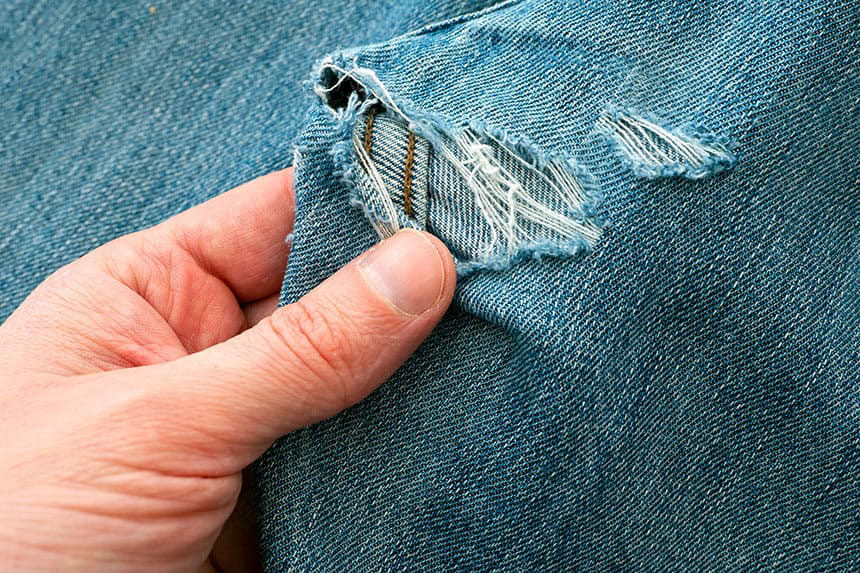
Image Credit: Adobe Stock
With its focus on quick turnover and low-quality items, the fast-fashion industry generates increasing amounts of waste. So, instead of buying new, try thrifting, upcycling, and repairing your existing clothing.
You can update your wardrobe sustainably by thrifting, preserving your favorite pieces, and learning to sew.
8. Rechargeable Batteries
Single-use batteries contribute to toxic electronic waste when improperly discarded. For your work essentials, like a wireless mouse, and even personal items like your electronic toothbrush, make the switch to rechargeable batteries.
Rechargeable batteries are reusable, making them a more sustainable and budget-friendly choice than disposable batteries. Most last two to five years with proper use before needing to be replaced. You can find rechargeable batteries within the tools and equipment sections at supermarkets or online.
9. LED Light Bulbs
Using LED lighting is one of the easiest ways to make your home more energy-efficient. Compared to traditional incandescent bulbs, LED lights use 90% less energy and can last up to 25 times longer helping lower both electricity costs and household waste.
For a more convenient option, use smart LED bulbs. It lets you automate schedules or control lighting through your phone, and is widely available in most department and hardware stores near you.
10. Digital eSIM Technology
Switching to an eSIM, or a built-in digital SIM, helps reduce electronic waste while making it easier to activate and manage your mobile plan digitally. It also offers flexibility and security, especially for people who use multiple numbers or those who travel often.
Globe now offers eSIM options both in-store and online. Existing and new Postpaid users can conveniently switch to an eSIM through the GlobeOne app, which you can easily download on your mobile phone, making set-up quicker and completely digital.
Build a Greener Lifestyle, One Product at a Time
Sustainability doesn’t require perfection, just consistency. With small habits that help you switch to sustainable living, you can make a bigger, greener impact while still enjoying convenience that doesn’t harm the planet.
Building a greener lifestyle starts with small, intentional choices made every day. Whether you're researching sustainable practices at home or looking up eco-friendly alternatives while you're out, reliable connectivity can help you make more informed decisions along the way.
From exploring sustainability resources with your home internet connection to staying informed with mobile data when shopping or running errands, having access to the right information can make mindful living more practical. Whether you prefer the flexibility of prepaid promos or the convenience of a postpaid plan, staying connected can help support the habits that contribute to a more sustainable future.
Remember, every eco-friendly swap you make, no matter how small, adds up over time.